Ph: 1300 88 75 76 - RTO ID 91528

IMDG Code Course

Location
Onsite or Online
Delivery
Face to Face or Online
Duration
One (1) Day or Self Paced

This course can be completed either:

  • FACE TO FACE– our trainer will attend your site and provide group training to your employees over a half day;
  • VIRTUAL SEMINAR– the training can be provided to your group of employees as a live half day webinar, where our trainer connects into the webinar remotely; or
  • ONLINE – this is a self paced option which allows you to commence the online course immediately upon registration, 24 hours a day.

This IMDG Code Training Course provides shore-based personnel with practical, function-specific training on how to safely prepare, document and manage dangerous goods for sea transport in line with the International Maritime Dangerous Goods (IMDG) Code and AMSA requirements.

This course is designed for forwarding and logistics staff, manufacturers, shippers, packers and other shore-based personnel involved in packing, marking, documenting and handling dangerous goods consignments transported by sea. It supports employer obligations under the IMDG Code training provisions by delivering general awareness and function-specific IMDG training that is directly aligned to the roles and responsibilities of participants.

The course covers:
  • origins, structure and purpose of the IMDG Code (including its integration with SOLAS, MARPOL and UN Model Regulations)
  • dangerous goods classes and packing groups
  • the Dangerous Goods List
  • marine pollutants
  • consignment procedures
  • tested package markings
  • package marking and labelling (including lithium battery and limited/excepted quantity marks)
  • segregation principles and tables
  • documentation requirements
  • loading and unloading of cargo transport units
  • use of Safety Data Sheets
  • incident and emergency procedures
Onsite Face-to-Face Group Training or Virtual Sessions

ONLINE

$296

DG awareness vs DG licence decision matrix NSW

DG Awareness vs DG Licence NSW: Which Course Does Your Job Require?

Confused about DG Awareness vs DG Licence? Find out which course your job actually needs...
Read More
scheduler fatigue obligations nsw

Scheduler’s Fatigue Obligations: What Happens When You Get It Wrong

NSW schedulers have direct fatigue obligations under HVNL — and serious penalties if they get...
Read More
Dangerous Goods Group Training NSW Fleet

Dangerous Goods Group Training NSW: How to Get Your Whole Fleet Licenced

Need to get your whole fleet DG licenced in NSW? Kells Safety Centre offers group...
Read More
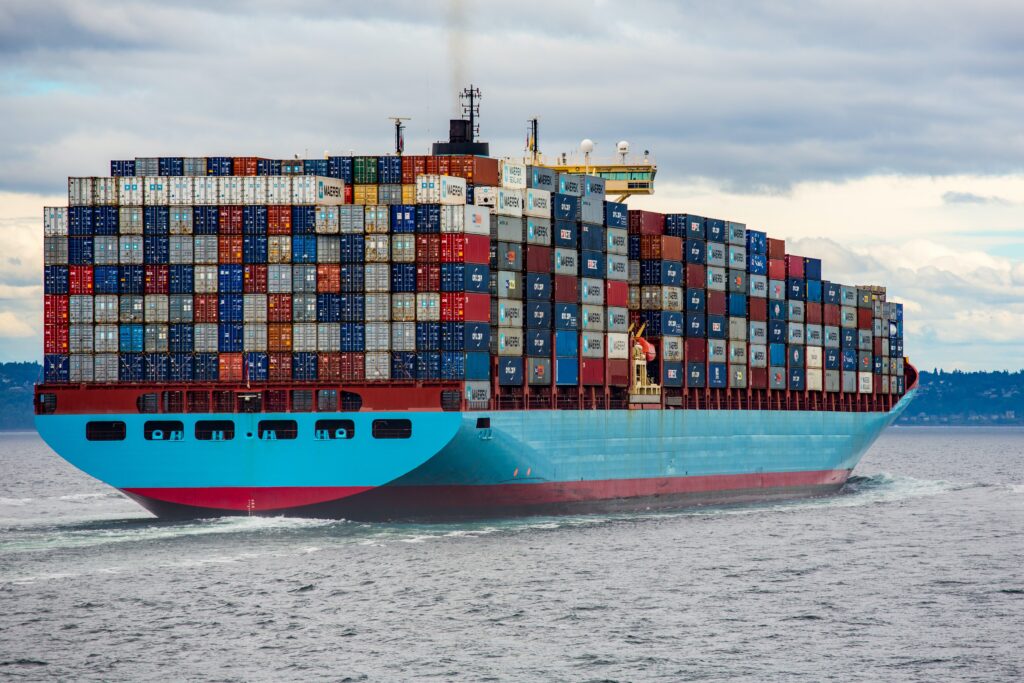
IMDG Code Course Shipping Container

Who Needs This Course?

This course is for shore-based personnel involved in sea freight dangerous goods operations, including:

  • Freight forwarders and logistics coordinators
  • Exporters and manufacturers preparing DG consignments for ocean shipment
  • Packers and warehouse staff preparing DG cargo for sea transport
  • Documentation and customs staff completing Shipper’s Declarations
  • Depot and terminal operators handling DG sea freight

What the Course Covers

  • IMDG Code structure — origins, relationship with SOLAS, MARPOL, and UN Model Regulations
  • Dangerous goods classification — 9 hazard classes, packing groups, the Dangerous Goods List
  • Marine pollutants — identification, classification, and additional requirements
  • Package marking and labelling — class labels, UN marks, lithium battery marks, limited and excepted quantity marks
  • Packaging requirements — approved packaging, tested package markings
  • Segregation — principles, tables, and practical application for cargo transport units
  • Documentation — Shipper’s Declaration for Dangerous Goods, consignment notes, container packing certificates
  • Emergency and incident procedures — EmS guides and reporting obligations

How Often Must IMDG Training Be Refreshed?

Every two years for all shore-based personnel. The current edition is Amendment 42-24, valid through to 31 December 2027.

IMDG Code vs ADG Code — What’s the Difference?

  • IMDG Code — sea transport of dangerous goods. Enforced by AMSA under Marine Order 41.
  • ADG Code — road transport of dangerous goods in Australia. Enforced by NSW EPA and NHVR.

Many freight businesses need both. Kells Safety Centre (RTO 91528) delivers training for both frameworks.
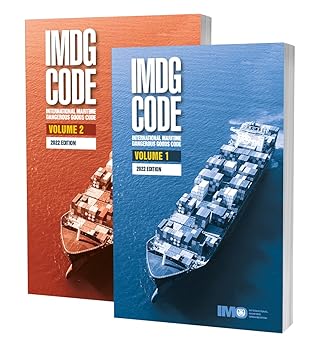
IMDG Code Course

Frequently Asked Questions

What is the IMDG Code?

The International Maritime Dangerous Goods (IMDG) Code is the globally recognised set of regulations governing the safe transport of dangerous goods by sea. Published by the International Maritime Organization (IMO), it covers classification, packaging, marking, labelling, documentation, segregation, and emergency response for sea freight. In Australia, the IMDG Code is given legal force under Marine Order 41 (Carriage of Dangerous Goods) 2017, administered by AMSA.

Who needs IMDG Code training in Australia?

Any shore-based personnel involved in preparing, packing, marking, labelling, or documenting dangerous goods for sea transport must hold IMDG Code training. This includes freight forwarders, logistics coordinators, shippers, exporters, manufacturers, packers, warehouse operators, and documentation staff handling sea freight containing dangerous goods. Training is a legal requirement under Marine Order 41, enforced by AMSA.

How often does IMDG Code training need to be renewed?

IMDG Code training must be renewed or refreshed every two years for all shore-based personnel. The current edition is Amendment 42-24, valid through to 31 December 2027. Refresher training ensures staff remain current with any changes to classification, labelling, packaging, or documentation requirements between amendments.

What is Marine Order 41?

Marine Order 41 (Carriage of Dangerous Goods) 2017 is the Australian regulation that makes IMDG Code compliance legally mandatory for sea transport operations in Australia. It is administered by AMSA and requires shore-based personnel to hold function-specific training aligned to the IMDG Code training provisions.

What is the difference between the IMDG Code and the ADG Code?

The IMDG Code governs transport of dangerous goods by sea and applies to shore-based sea freight personnel. The ADG Code (Australian Dangerous Goods Code) governs road transport of dangerous goods in Australia. They are separate regulatory frameworks — AMSA enforces the IMDG Code for sea freight, while NSW EPA and NHVR enforce the ADG Code for road transport. Many freight businesses need to comply with both, and Kells Safety Centre (RTO 91528) offers training for both.

What delivery options are available for the IMDG Code course?

Kells Safety Centre (RTO 91528) offers three delivery options: face-to-face onsite group training where our trainer attends your workplace; live virtual seminar via webinar for groups; and self-paced online training available 24/7 at $296. Contact us on 1300 88 75 76 for onsite and virtual group pricing.

Is the IMDG Code course the same as a Dangerous Goods Licence for road transport?

No. The IMDG Code course covers sea transport of dangerous goods under AMSA and Marine Order 41. The Dangerous Goods Licence (TLILIC0001) is required for drivers transporting placard loads by road in NSW under NSW EPA legislation. These are entirely separate qualifications. Staff involved in both road and sea freight DG operations may require both.

Do I need IMDG Code training if I only prepare paperwork for sea freight?

Yes. Documentation staff who prepare Shipper’s Declarations for Dangerous Goods, consignment notes, or container packing certificates for sea freight have a function-specific role under the IMDG Code training provisions. Training is required regardless of whether you physically handle the goods.

What does AMSA stand for and what is its role in IMDG compliance?

AMSA stands for the Australian Maritime Safety Authority. It is the Australian government body responsible for maritime safety regulation, including enforcement of Marine Order 41 and IMDG Code compliance for sea transport. AMSA can take enforcement action against businesses and individuals who fail to meet IMDG Code training requirements for shore-based personnel.

Can businesses arrange group IMDG Code training for multiple staff?

Yes. Kells Safety Centre (RTO 91528) offers onsite face-to-face group training and live virtual seminar delivery for teams — ideal for freight forwarders, logistics companies, manufacturers, and depot operators. Contact Kells Safety Centre on 1300 88 75 76 for group pricing and scheduling options.

Book YourIMDG Code course Today

If your workplace involves shipping on international waters with various dangerous goods, this course is essential for ensuring safety and compliance.

Book your IMDG Code Course training with Kells Safety Centre today.