What Is an Emergency Information Panel (EIP) and Who Needs One?
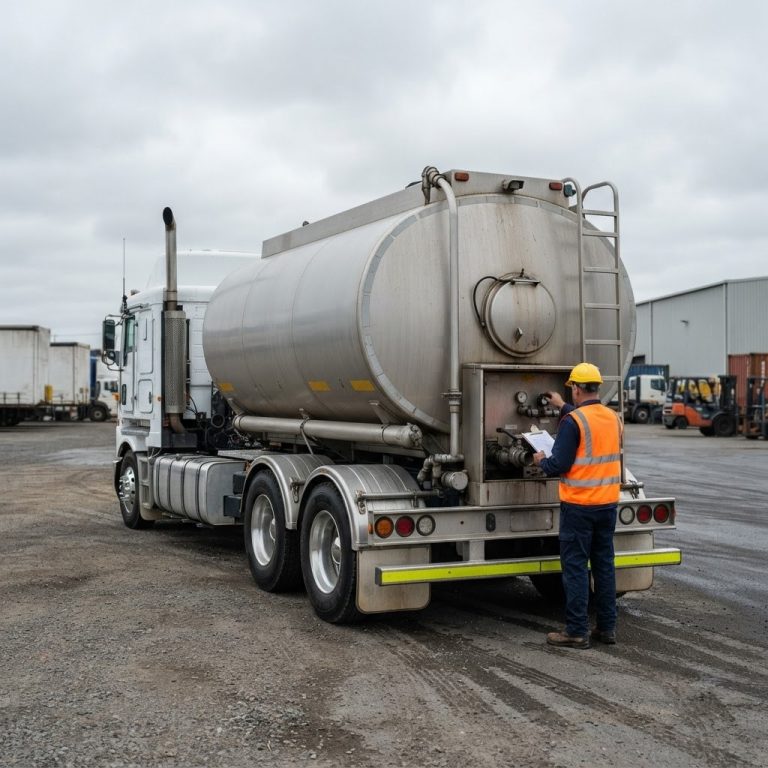
Learn what an Emergency Information Panel (EIP) is, when it's required under the ADG Code, and compliance rules for NSW dangerous goods…
A correctly filled dangerous goods consignment note isn't just paperwork — it's a legal safeguard for you, your employer, and everyone on the road. If you're a DG driver, logistics…
Transport safety guides for NSW drivers, operators and compliance managers. 69 articles published.
Learn what an Emergency Information Panel (EIP) is, when it's required under the ADG Code, and compliance rules for NSW dangerous goods…
What NHVR officers check at a roadside fatigue inspection in NSW: work diaries, required documents, offence categories, and how BFM training helps.
New to dangerous goods transport in NSW? Here's the exact training pathway new drivers should follow — DG Licence, BFM, Blue Card…
Online DG courses cheaper but lower pass rate. Why face-to-face wins.
Night shift driving is high-risk. Learn 6 practical strategies to manage fatigue safely — from sleep discipline to recognising warning signs. Plus:…
Your employer can require you to hold a DG licence if your role involves transporting dangerous goods. Here's the law, your rights,…
The ADG Code divides dangerous goods into 9 classes. Learn what each class is, examples, and transport restrictions.
Labels, marks, and placards are three separate ADG Code requirements. Getting any one wrong is a compliance failure. Here is what is…
ADG Code Edition 7.9 is the current version — operating from an older edition is a compliance risk. Here is what changed,…
A dangerous goods spill on a NSW road is a Chain of Responsibility event. Here is what spill kit the ADG Code…
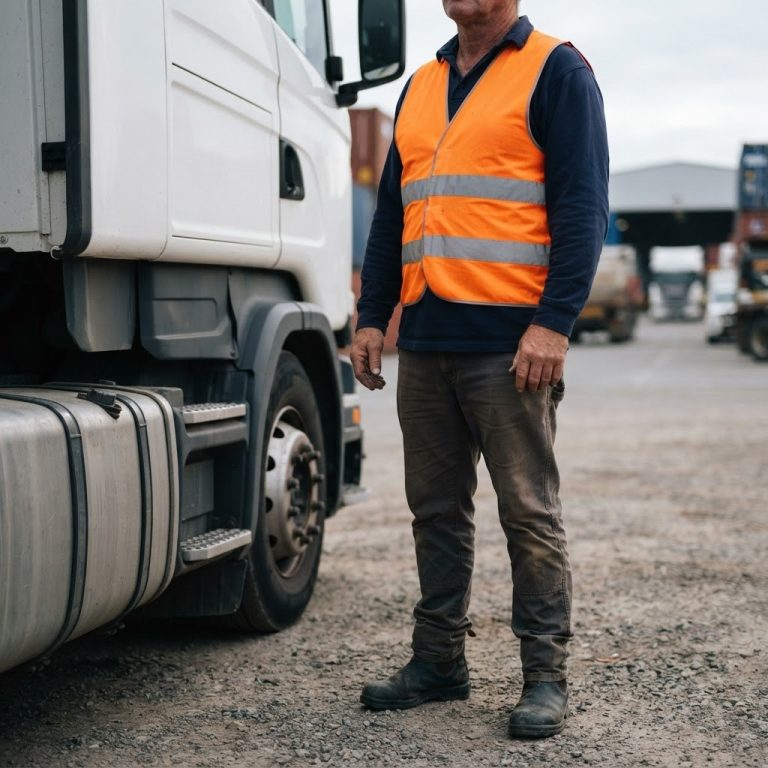
The ADG Code mandates specific PPE for every dangerous goods driver in NSW. Here is the complete list of what you must…
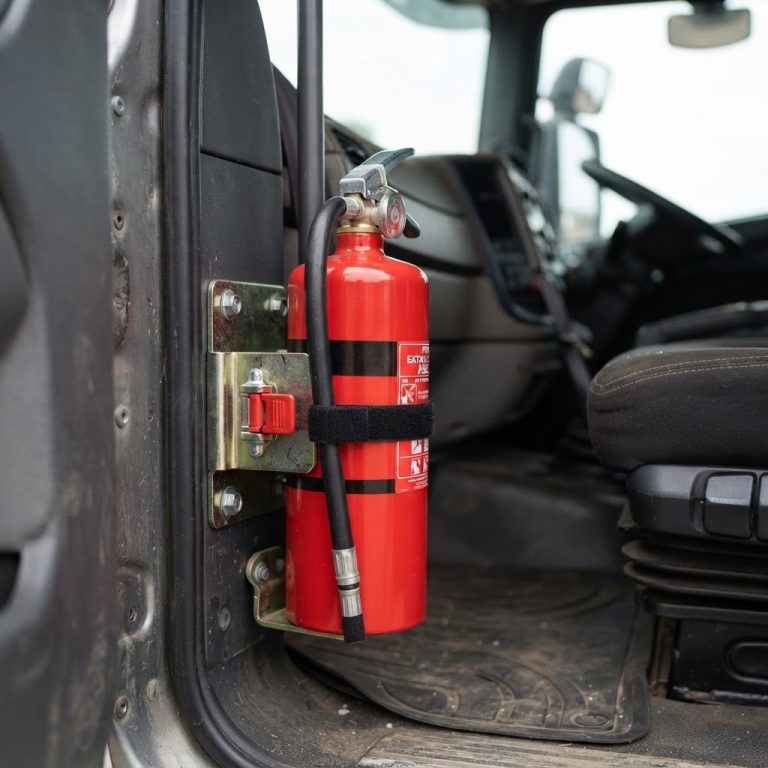
Every dangerous goods vehicle must carry compliant fire extinguishers under the ADG Code. Here is which size is required for your vehicle…