
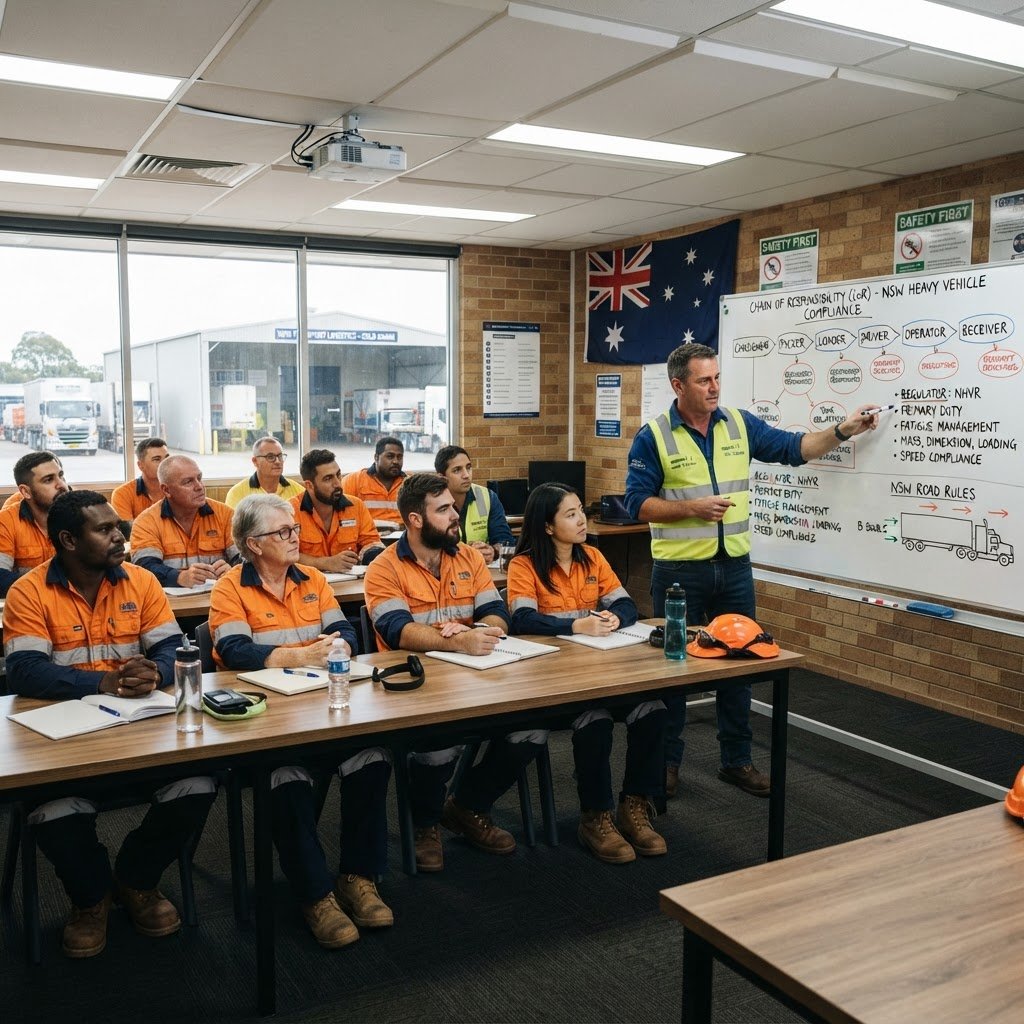
Chain of responsibility training in NSW is mandatory under the Heavy Vehicle National Law (HVNL) for anyone involved in the transport supply chain — from drivers and loaders to managers and company directors. The two main units of competency are TLIF0009 (safe loading of goods and equipment) and TLIF0080 (monitor safety of transport activities, CoR Level 2). TLIF0009 is the foundational unit focused on safe loading practices, while TLIF0080 is the newer, more comprehensive unit covering broader transport safety monitoring at a supervisory level. Kells Safety Centre (RTO 91528) delivers both courses in Wetherill Park, Wollongong, and online. This guide explains the difference between TLIF0009 and TLIF0080 so you can choose the right course for your role.
TLIF0009 covers safe loading and unloading practices for workers directly handling goods. TLIF0080 (CoR Level 2) covers broader transport safety monitoring for supervisors, managers, and those overseeing transport activities. If you load or unload trucks, you need TLIF0009. If you manage or supervise transport operations, you need TLIF0080. Many NSW transport workers need both. Both are available through registered training providers like Kells Safety Centre.
What Is Chain of Responsibility Training?
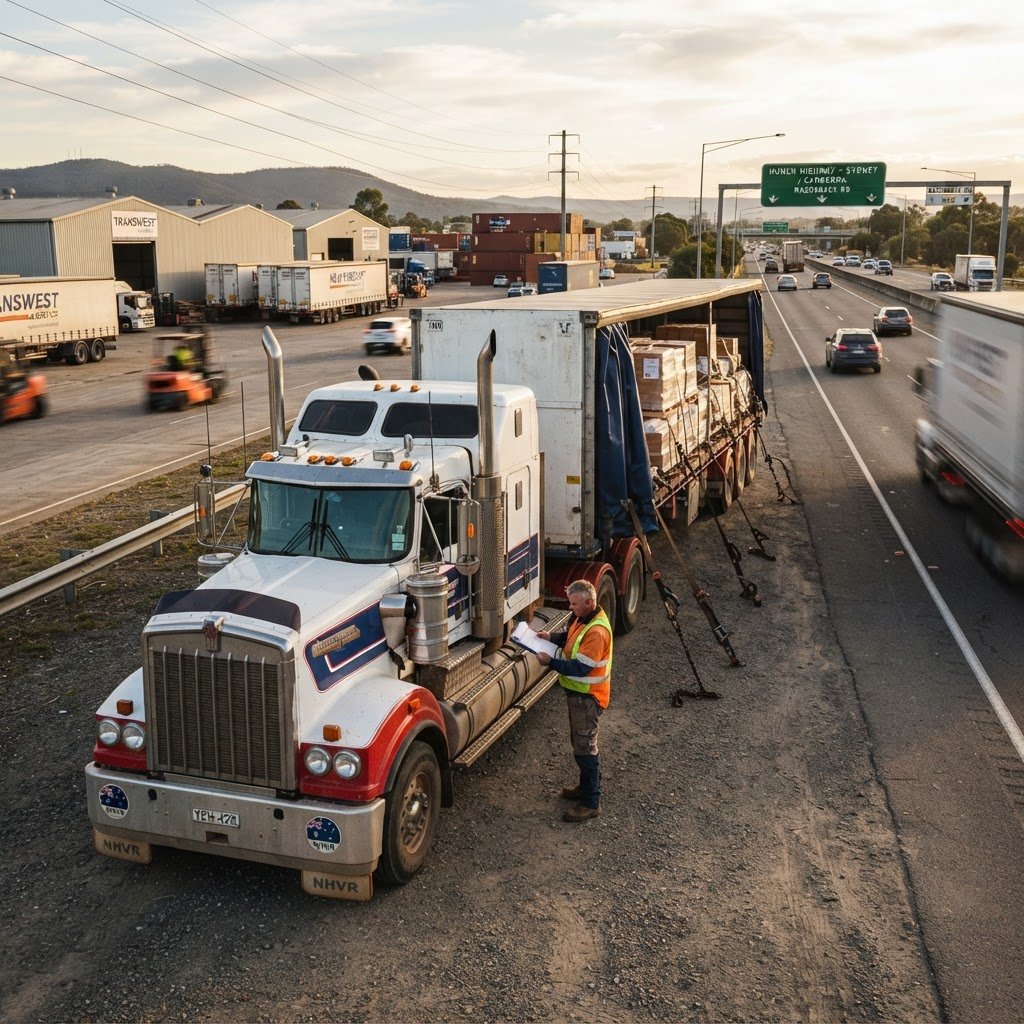
Chain of Responsibility (CoR) is a principle under the Heavy Vehicle National Law that extends liability for transport safety breaches beyond the driver to every party in the supply chain. That includes consignors, packers, loaders, receivers, schedulers, managers, and company directors. The NHVR enforces CoR compliance through roadside checks, audits, and prosecution.
Under the HVNL, each party in the chain must take “all reasonable steps” to prevent safety breaches — whether that’s overloaded vehicles, unrestrained loads, fatigue-related speeding, or mid-trip cargo shifts. CoR training gives workers the knowledge to identify risks and fulfil their legal obligations. For a broader overview, read our guide to chain of responsibility in NSW transport.
TLIF0009: The Foundational Loading Safety Unit
TLIF0009 (Monitor/Ensure the Safe Loading of Goods and/or Equipment) is the foundational unit covering safe loading and unloading practices. It’s designed for workers who directly handle goods — truck drivers, warehouse staff, loaders, forklift operators, and yard hands.
The unit covers:
- Identifying load types and their restraint requirements
- Applying load restraint methods in line with the Load Restraint Guide
- Checking vehicle suitability and weight distribution
- Monitoring load placement and securing cargo correctly
- Communicating loading issues to relevant parties
- Identifying hazards during loading and unloading operations
TLIF0009 is typically delivered as a short course — often half a day to one day — and focuses on practical loading safety rather than the broader management responsibilities addressed in TLIF0080.
Need CoR training for your team? Kells Safety Centre delivers TLIF0009 and TLIF0080 face-to-face at Wetherill Park and Wollongong, or online. Enrol today.
View Training CoursesTLIF0080: Monitor Safety of Transport Activities (CoR Level 2)
TLIF0080 (Monitor Safety of Transport Activities) is the newer, more comprehensive unit that replaced the older TLIF0014 unit. It covers CoR Level 2 — the supervisory tier of chain of responsibility training designed for those who oversee or manage transport operations, not just those who handle loads directly.
TLIF0080 covers:
- Monitoring and reporting on transport safety activities
- Identifying and managing risks across the transport chain
- Ensuring compliance with HVNL requirements at an operational level
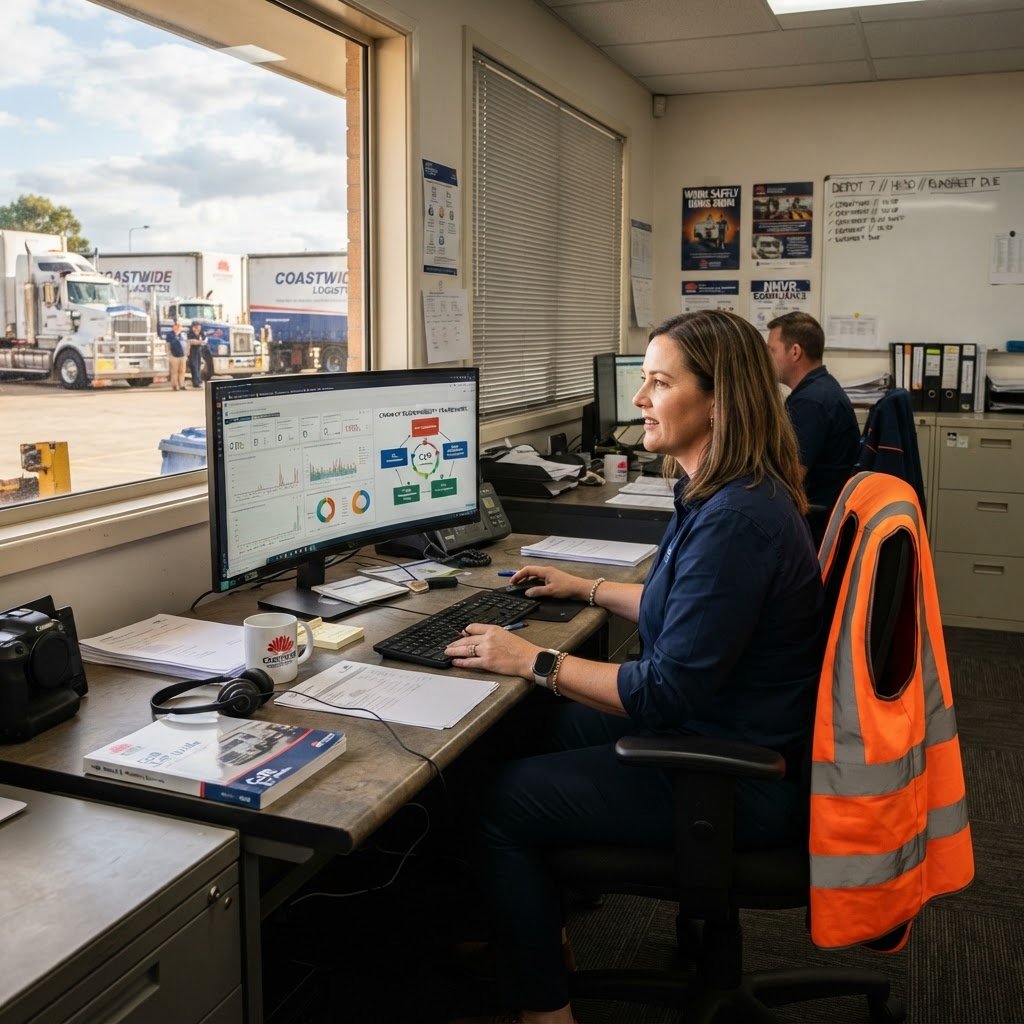
- Implementing safety management systems and procedures
- Supervising loading, unloading, and transit safety
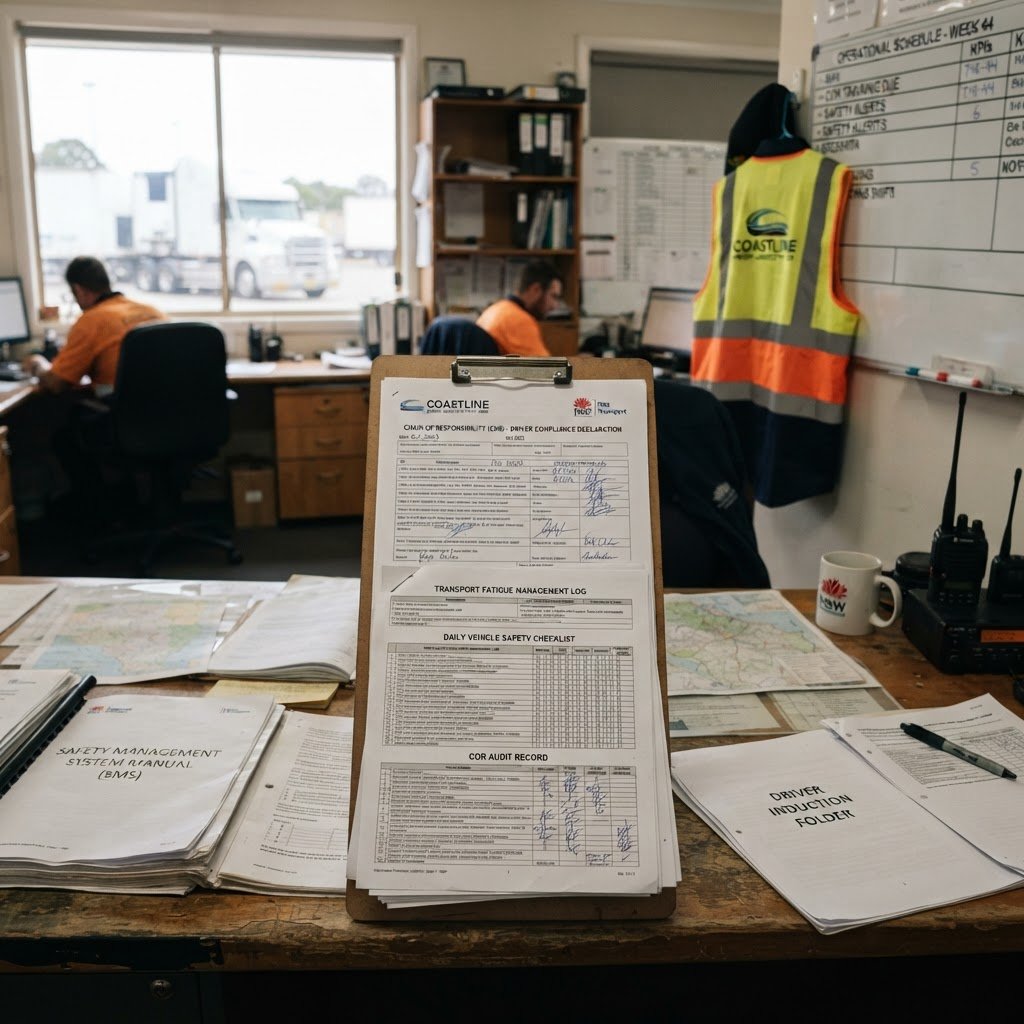
- Managing documentation and records for CoR compliance
- Responding to safety incidents and breaches
This unit goes well beyond loading safety. It addresses the full spectrum of transport safety activities — fatigue management, vehicle standards, load restraint, speed compliance, and documentation — from a monitoring and supervisory perspective. For a deep dive, read our TLIF0080 CoR Level 2 NSW guide.
TLIF0009 vs TLIF0080: Key Differences
The table below summarises the main differences between the two units:
| Feature | TLIF0009 | TLIF0080 |
|---|---|---|
| Focus area | Safe loading and unloading of goods | Broader transport safety monitoring |
| CoR level | Foundational (operational) | CoR Level 2 (supervisory) |
| Target audience | Drivers, loaders, warehouse staff | Supervisors, managers, dispatchers |
| Covers load restraint | Yes — in detail | Yes — at a monitoring level |
| Covers fatigue management | No | Yes |
| Covers safety management systems | No | Yes |
| Covers incident response | Limited | Yes — full coverage |
| Duration | Half to full day | Full day to 2 days |
| Replaces | — | TLIF0014 (older unit) |
Which Course Do You Need?
Choosing between TLIF0009 and TLIF0080 comes down to your role in the transport chain:
If You’re a Driver, Loader, or Warehouse Worker
You need TLIF0009. This unit gives you the practical skills to load and unload goods safely, understand restraint requirements, and identify hazards during loading operations. It’s the foundational CoR unit for anyone who physically handles freight.
If You’re a Supervisor, Manager, or Dispatcher
You need TLIF0080. As someone who oversees transport activities, you need to understand the full scope of CoR obligations — not just loading safety, but fatigue, vehicle standards, documentation, and incident response. TLIF0080 covers all of this at the supervisory level.
If You’re Both
Many NSW transport workers fall into both categories. A driver who also supervises loading, or a forklift operator who manages dispatch, needs both units. The good news is that TLIF0009 content is largely incorporated into TLIF0080, so completing TLIF0080 often covers the loading safety competencies as well. Check with Kells Safety Centre for guidance on your specific situation.
If You’re a Company Director or Executive
Under the HVNL, company executives have a personal due diligence obligation. While TLIF0080 covers the operational level, executives may also need higher-level CoR training. For foundational transport safety certification, consider the Blue Card (TLIF0025) transport safety course as a starting point.
How Long Does Each Course Take?
TLIF0009 is typically delivered as a short course, running from half a day to a full day depending on the provider and format. The focus is practical — load restraint demonstrations, hazard identification, and loading procedures.
TLIF0080 is more comprehensive, running one to two days. It covers loading safety but extends into fatigue management monitoring, safety management systems, and incident reporting. The longer duration reflects the broader scope and supervisory responsibility.
How Much Does CoR Training Cost?
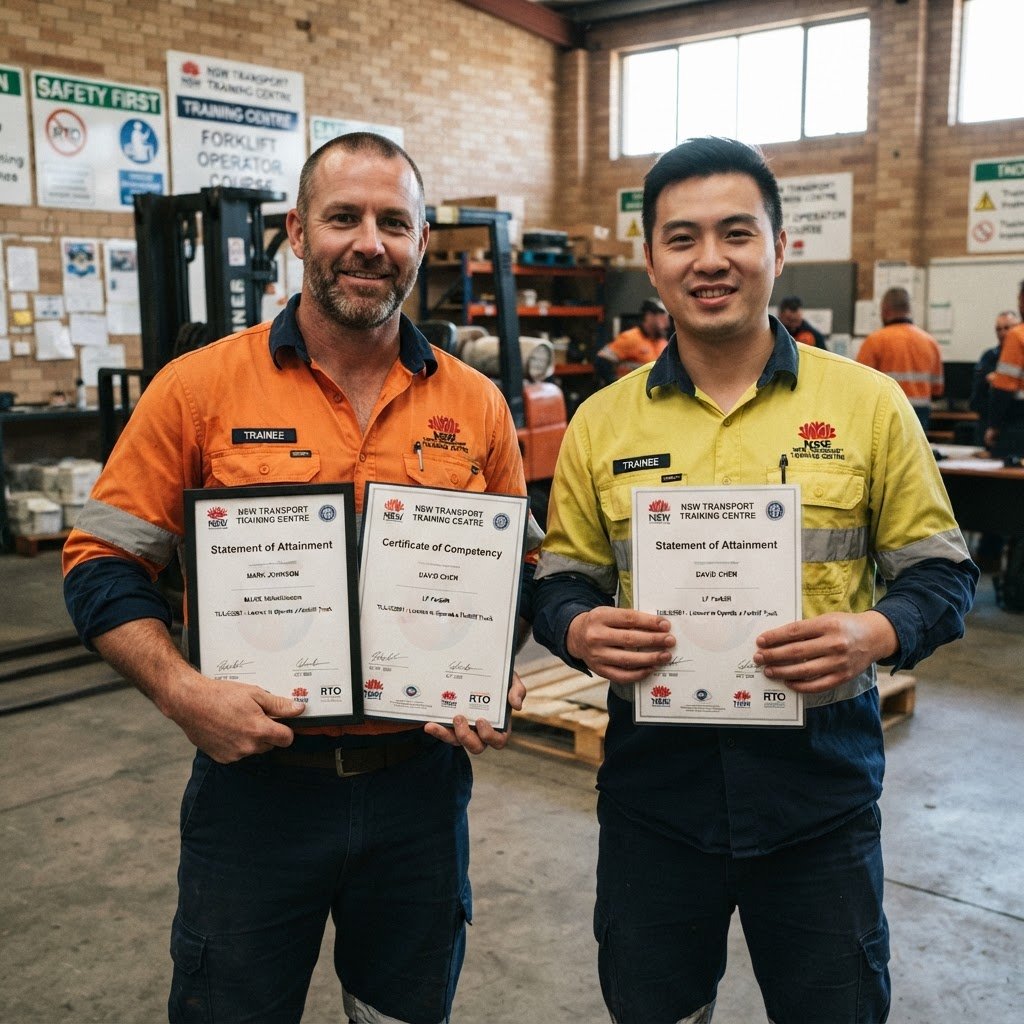
CoR training costs vary by provider, delivery format, and whether you’re completing one or both units. Kells Safety Centre offers competitive pricing for both TLIF0009 and TLIF0080, with all-inclusive course fees covering training materials, assessment, and your Statement of Attainment. For current pricing and course dates, visit our training courses page.
Many NSW transport businesses choose to train their full team — giving both TLIF0009 to handlers and TLIF0080 to supervisors. This layered approach ensures every level of the organisation understands their CoR obligations.
Can You Do CoR Training Online?
Yes — both TLIF0009 and TLIF0080 are available through online delivery at Kells Safety Centre. Online CoR training is delivered via live virtual classroom with a qualified trainer, meaning you get real-time interaction and assessment without travelling to a training centre. This is ideal for regional NSW drivers and transport businesses with multiple employees who need to complete the same qualification.
For businesses with multiple staff needing CoR training, Kells can also arrange group training at your premises or a suitable venue. Contact us to discuss group training options.
Do I Need Both TLIF0009 and TLIF0080?
Not necessarily. The unit you need depends on your role in the transport chain. If you only load and unload goods, TLIF0009 is sufficient. If you supervise or manage transport activities, TLIF0080 covers the broader scope — and because TLIF0080 incorporates loading safety at a monitoring level, it often supersedes the need for a separate TLIF0009 qualification.
However, if your employer requires both (some NSW transport companies mandate both for drivers who also supervise loading), you can complete them together. Kells Safety Centre can advise on the most efficient path for your specific role and employer requirements.
Get CoR-compliant with Kells Safety Centre (RTO 91528). TLIF0009 and TLIF0080 courses available in Wetherill Park, Wollongong, and online. View course dates and enrol today.
View All Training CoursesFrequently Asked Questions
What is the difference between TLIF0009 and TLIF0080?
TLIF0009 covers safe loading and unloading of goods and equipment — it’s the foundational unit for workers who physically handle freight. TLIF0080 (Monitor Safety of Transport Activities) is a newer, broader unit covering CoR Level 2 — the supervisory tier that includes loading safety, fatigue management, safety management systems, and incident response. TLIF0080 replaces the older TLIF0014 unit and is designed for supervisors and managers rather than front-line loaders.
Which CoR course do I need in NSW?
If you’re a driver, loader, or warehouse worker who handles goods directly, you need TLIF0009. If you’re a supervisor, manager, dispatcher, or anyone who oversees transport activities, you need TLIF0080. If you do both — for example, a driver who also supervises loading — you may need both, though TLIF0080 often covers the loading safety competencies at a monitoring level. Contact Kells Safety Centre for role-specific guidance.
What is CoR Level 2 training?
CoR Level 2 is the supervisory tier of chain of responsibility training under the HVNL. It covers monitoring and managing transport safety activities beyond just loading — including fatigue management, vehicle standards, documentation, and incident response. TLIF0080 is the unit of competency for CoR Level 2. It’s designed for transport supervisors and managers who need to oversee CoR compliance across their operations.
Does TLIF0080 replace TLIF0014?
Yes. TLIF0080 (Monitor Safety of Transport Activities) replaced the older TLIF0014 unit as part of the TLI Transport and Logistics Training Package update. If you previously held TLIF0014, it remains valid, but new students should complete TLIF0080. The content is updated to reflect current HVNL requirements and CoR obligations.
Can I do chain of responsibility training online in NSW?
Yes. Both TLIF0009 and TLIF0080 are available online through Kells Safety Centre via live virtual classroom. You get real-time trainer interaction, assessment, and a nationally recognised Statement of Attainment. Online delivery is ideal for regional NSW drivers or transport businesses with multiple staff who need training without travelling to a centre.
How long does CoR training take?
TLIF0009 typically runs half a day to a full day, focusing on practical loading safety. TLIF0080 runs one to two days because it covers broader transport safety monitoring at the supervisory level. The exact duration depends on the provider and delivery format. Kells Safety Centre offers both units with flexible scheduling.
Who needs chain of responsibility training in NSW?
Anyone in the transport supply chain needs CoR training. Under the HVNL, CoR extends to drivers, loaders, packers, consignors, receivers, schedulers, supervisors, managers, and company directors. The unit you need depends on your role: TLIF0009 for hands-on loading roles, TLIF0080 for supervisory and management roles. Safe Work NSW and the NHVR both enforce CoR compliance.
What is the penalty for not having CoR training in NSW?
CoR breaches under the HVNL can result in significant penalties — fines for individuals can reach tens of thousands of dollars, and company executives face personal liability for safety failures. While there’s no specific penalty for lacking a training certificate, failing to take “all reasonable steps” (which includes adequate training) can be used as evidence of non-compliance in prosecutions. Training demonstrates you’ve taken reasonable steps to ensure safety.
Is TLIF0080 nationally recognised?
Yes. TLIF0080 is a nationally recognised unit of competency within the TLI Transport and Logistics Training Package. When you complete the course through a registered training organisation like Kells Safety Centre (RTO 91528), you receive a Statement of Attainment that is valid across all Australian states and territories.
Can I do TLIF0009 and TLIF0080 together?
Yes. Kells Safety Centre can deliver both units as a combined training package for workers who need both loading safety and broader transport safety monitoring competencies. Because TLIF0080 incorporates loading safety at a monitoring level, completing both together is efficient and often takes less time than doing them separately. Contact us to arrange combined training for yourself or your team.