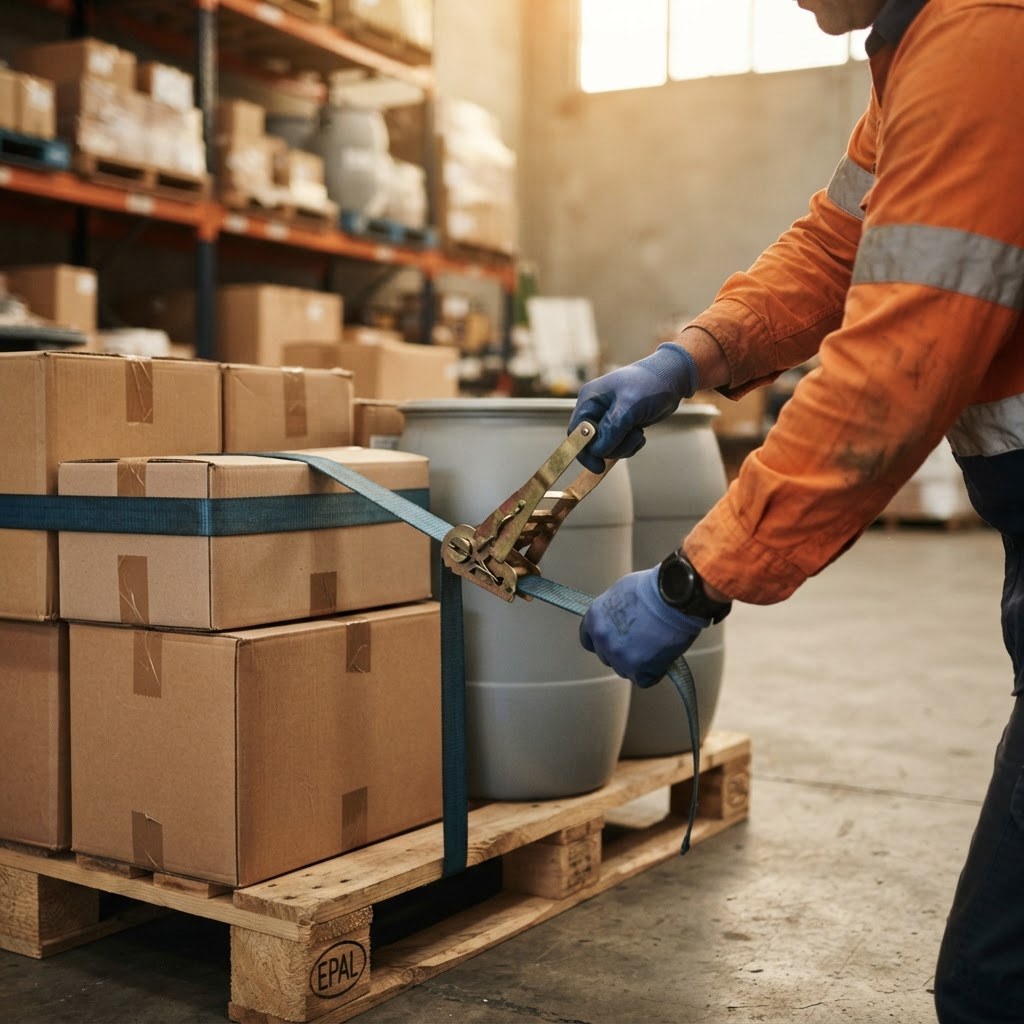
The Safe Load Program card proves you're trained in load restraint for NSW roads. Find out who needs one and how to get yours through Kells Safety Centre.Read More
ADG Code Edition 7.9 is the current version governing dangerous goods transport in NSW. Here is what changed from 7.8, who needs a copy, and where to buy it. RTO 91528.Read More
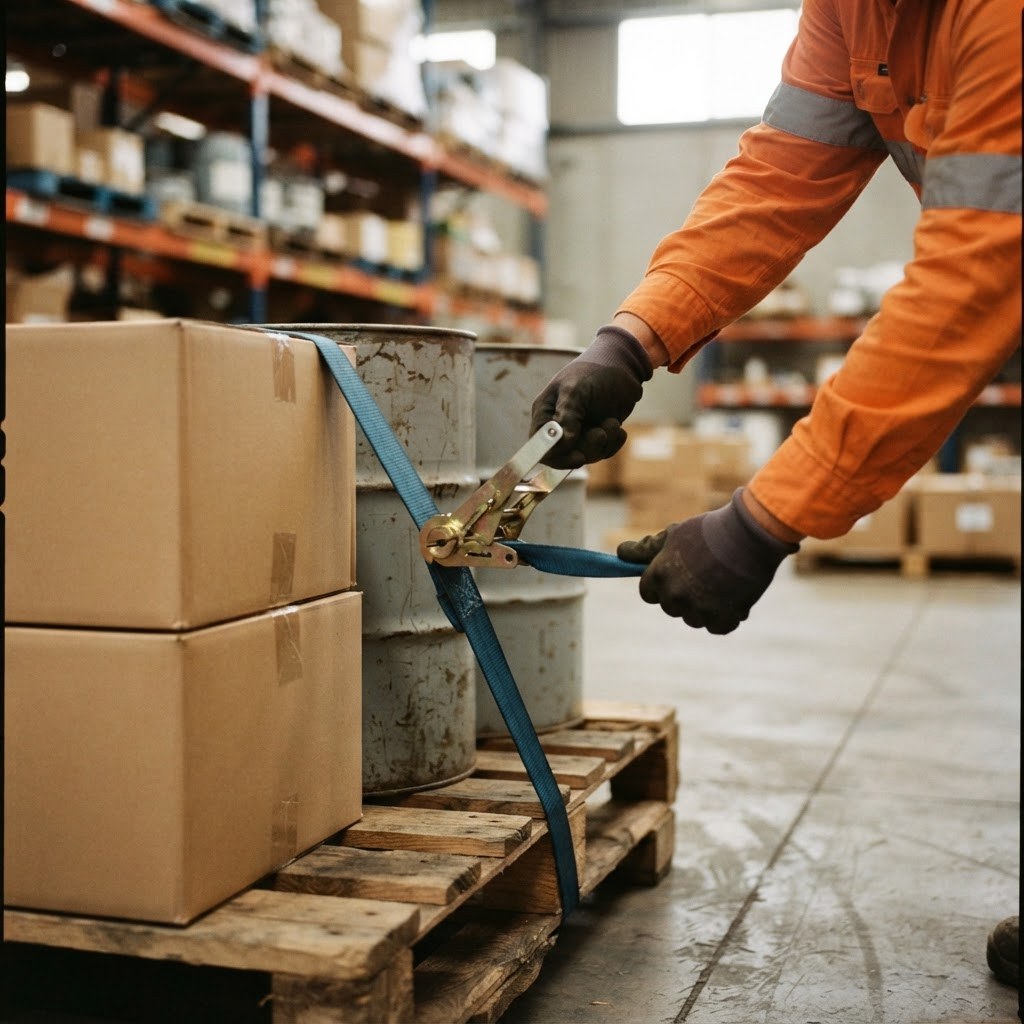
The Safe Load Program (SLP) sets the standard for how freight must be loaded and restrained on heavy vehicles in NSW. This guide explains what the program covers, who needs an SLP licence card, how to get trained, and what the Load Restraint Guide requires of drivers and operators.Read More
In NSW transport, Chain of Responsibility holds every party in the freight chain — drivers, operators, schedulers, loaders, and consignors — accountable for safety. This guide explains CoR obligations under the Heavy Vehicle National Law and what it means for your business.Read More
If you're a consignor, freight forwarder, or warehouse manager shipping dangerous goods by road in NSW, you are legally responsible for preparing that shipment to ADG Code standards. This guide covers classification, packaging, labelling, placarding, and documentation — step by step.Read More
Load restraint failures cause deaths and serious injuries on NSW roads every year. The NSW Safe Load Program (SLP) exists to fix that — providing standardised training for anyone involved in loading,...Read More
In the transport and logistics industry, safety isn’t just a requirement — it’s part of daily operations. Whether you're working in freight handling, warehousing, or driving, understanding workplace health and safety procedures is critical. This…Read More