
Before a NSW fuel tanker driver can load bulk product at a terminal, they need two credentials in the right order: a Dangerous Goods driver licence first, then the Safe Load Program (SLP). The SLP covers safety when entering fuel terminals, and the SLP card allows the holder to enter fuel terminals and other fuel storage facilities in Australia.
This guide walks through the SLP course itself: what the training covers module by module, what it costs, how long it takes, and what you need to have in place before you can sit it.
- SLP covers safety when entering fuel terminals — the card allows the holder to enter fuel terminals and other fuel storage facilities in Australia
- Prerequisite: you must first hold a current Dangerous Goods driver licence before you can sit for SLP
- Four-hour face-to-face course at Kells Safety Centre, Wetherill Park — $385 plus $200 card fee (payable to SLP Administration)
- Five modules: health and safety, product properties, vehicles loading, tanker and gantry knowledge, training and assessment
- For drivers loading bulk petroleum product at terminals, depots and fuel storage facilities
What Is the Safe Load Program?
The Safe Load Program is the fuel industry’s terminal-safety program. It has been prepared to provide introductory training for drivers entering oil industry terminals and depots, and it is intended to ensure the safety of personnel and the protection of facilities at oil industry inland storage and distribution facilities throughout Australia.
The SLP card is what allows a driver to enter fuel terminals and other fuel storage facilities in Australia. Terminals require it as a prerequisite for anyone needing to enter a petroleum facility to load bulk petroleum product. Without a current SLP card, fuel tanker drivers cannot do the loading work their job depends on.
The Prerequisite: DG Licence First
The SLP training session requires you to already hold a current Dangerous Goods driver licence. The licence is issued by the NSW EPA after you complete the TLILIC0001 Dangerous Goods Driver Licence course — two days, face-to-face, covering the ADG Code, bulk transport obligations, loading, placarding and emergency procedures. The licence applies to drivers carrying dangerous goods in bulk (receptacles over 500 litres or 500 kilograms) and is valid for five years.
The order matters: DG licence first, then SLP. The SLP program assumes you already understand dangerous goods product properties and tanker work — it builds on that knowledge, it does not replace it.
The SLP Course: Module by Module
The four-hour SLP course at Kells Safety Centre covers five modules:
1. Health and Safety
Working safely in terminal and depot environments — the site rules, hazards and behaviours that keep drivers and facilities safe when loading bulk petroleum product.
2. Product Properties
The petroleum products you handle at the gantry: what they are, how they behave, and what that means for safe loading.
3. Vehicles Loading
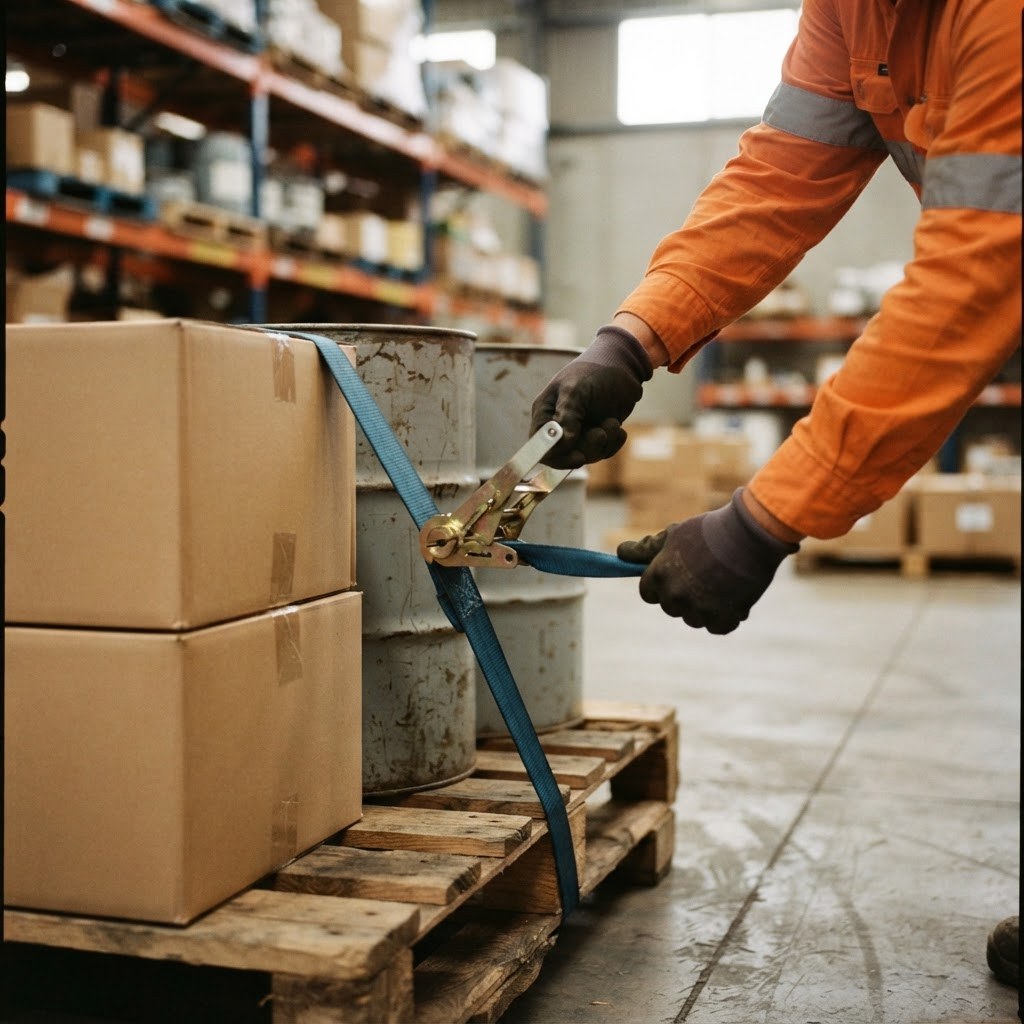
Safe loading of petroleum tankers — including load restraint principles and Safe Work NSW-aligned Chain of Responsibility obligations, weight distribution and axle load compliance, and correct loading and unloading procedures.
4. Tanker and Gantry Knowledge
The equipment drivers work with at the terminal: tanker configurations and the gantry systems that transfer bulk product.
5. Training and Assessment
Completing the program’s assessment and receiving the SLP card — your credential to enter fuel terminals and other fuel storage facilities in Australia.
Course Cost, Duration and Location
The SLP course runs for four hours, delivered face-to-face by Kells Safety Centre (RTO 91528) at Wetherill Park in Western Sydney. The fee is $385 per person, plus a $200 card fee payable directly to SLP Administration.
South Coast drivers can complete SLP at Wollongong when bundled with the DG licence course — the DG and SLP bundle covers both qualifications in one trip, with the four-hour SLP session run immediately after day one of the DG licence course.
How to Prepare for Your SLP Course
- Confirm your DG licence is current — you cannot sit SLP without it
- Book your SLP course date at Kells Safety Centre — four hours, face-to-face
- Bring your DG licence details — the prerequisite is checked before you can complete the training session
- Be ready for the assessment — the program includes training and assessment in the final module
Keeping Your SLP Card Current
Your SLP card is your ongoing credential for terminal entry. Check the expiry details on your card when it is issued and confirm renewal requirements with SLP Administration. Fuel facilities expect a current card — drivers whose card has lapsed will be turned away at the gate.
Key Takeaways:
- SLP covers safety when entering fuel terminals; the card allows the holder to enter fuel terminals and other fuel storage facilities in Australia
- You must hold a current DG driver licence (TLILIC0001) before you can sit for SLP
- Five modules: health and safety, product properties, vehicles loading, tanker and gantry knowledge, training and assessment
- $385 course fee plus $200 card fee payable to SLP Administration; four hours, face-to-face at Wetherill Park
- Wollongong delivery is available when SLP is bundled with the DG licence course
What SLP Means in Practice at the Terminal
When a fuel tanker driver arrives to load bulk product, the SLP card is part of the facility’s entry requirements. The training behind the card is what keeps the process safe: understanding the products being loaded, working around gantry systems, applying load restraint principles and Chain of Responsibility obligations, and keeping weight distribution and axle loads compliant for the loaded journey ahead.
Because the SLP program is delivered throughout Australia, a current SLP card is recognised at fuel terminals and other fuel storage facilities across the country — not just in NSW. Drivers who move between terminals, depots and distribution facilities present the same credential at each site, which is why fuel transport employers list SLP alongside the DG licence as a standard requirement for bulk fuel work.
Site-specific induction procedures still vary from facility to facility — terminals run their own inductions on top of the SLP — so always follow the directions of the facility you are entering.
Frequently Asked Questions
What is the Safe Load Program for?
The Safe Load Program covers safety when entering fuel terminals. It provides introductory training for drivers entering oil industry terminals and depots, and the SLP card allows the holder to enter fuel terminals and other fuel storage facilities in Australia to load bulk petroleum product.
Can I sit SLP before I get my DG licence?
No. You must first hold a current Dangerous Goods driver licence before you can sit for the SLP training session. Complete the two-day TLILIC0001 course and obtain your EPA-issued licence, then enrol in SLP.
What does the SLP course cover?
Five modules: health and safety, product properties, vehicles loading (including load restraint principles and Chain of Responsibility obligations), tanker and gantry knowledge, and training and assessment. Weight distribution, axle load compliance and petroleum terminal safety are covered within the program.
How long is the SLP course?
The SLP course runs for four hours, delivered face-to-face. At Kells Safety Centre it is held at Wetherill Park, with Wollongong delivery available when bundled with the Dangerous Goods licence course — as a bundle, the four-hour SLP session runs immediately after day one of the DG licence course.
How much does SLP cost?
The SLP course fee is $385 per person, plus a $200 card fee which is payable directly to SLP Administration.
Do I need SLP to enter a fuel terminal?
Yes — the SLP is a prerequisite for anyone needing to enter a petroleum facility to load bulk petroleum product. Holding a current SLP card is what allows you to enter fuel terminals and other fuel storage facilities in Australia.
Is SLP required for general freight or construction loads?
No. The SLP is specific to the fuel industry — drivers entering oil industry terminals and depots. General load restraint skills are part of every professional driver’s duties, but SLP exists for petroleum facility entry and bulk fuel loading.