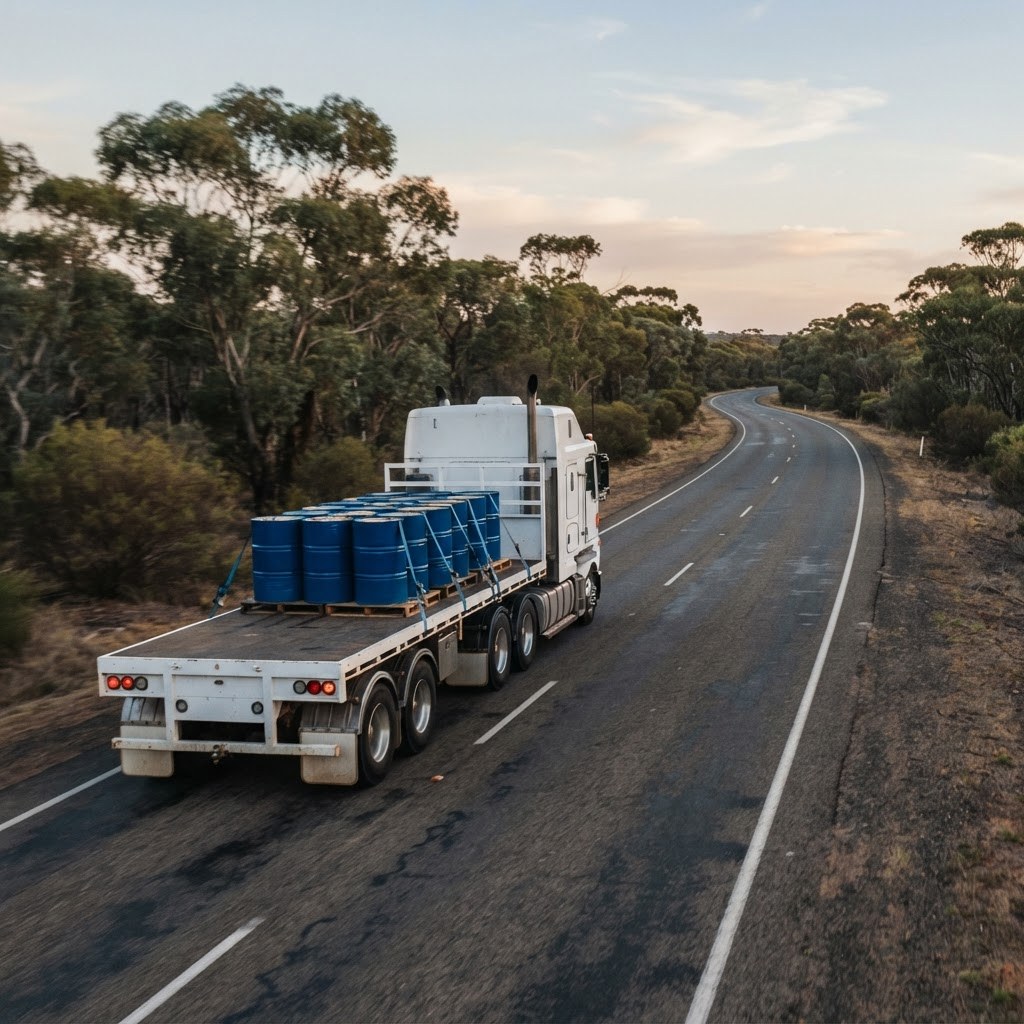
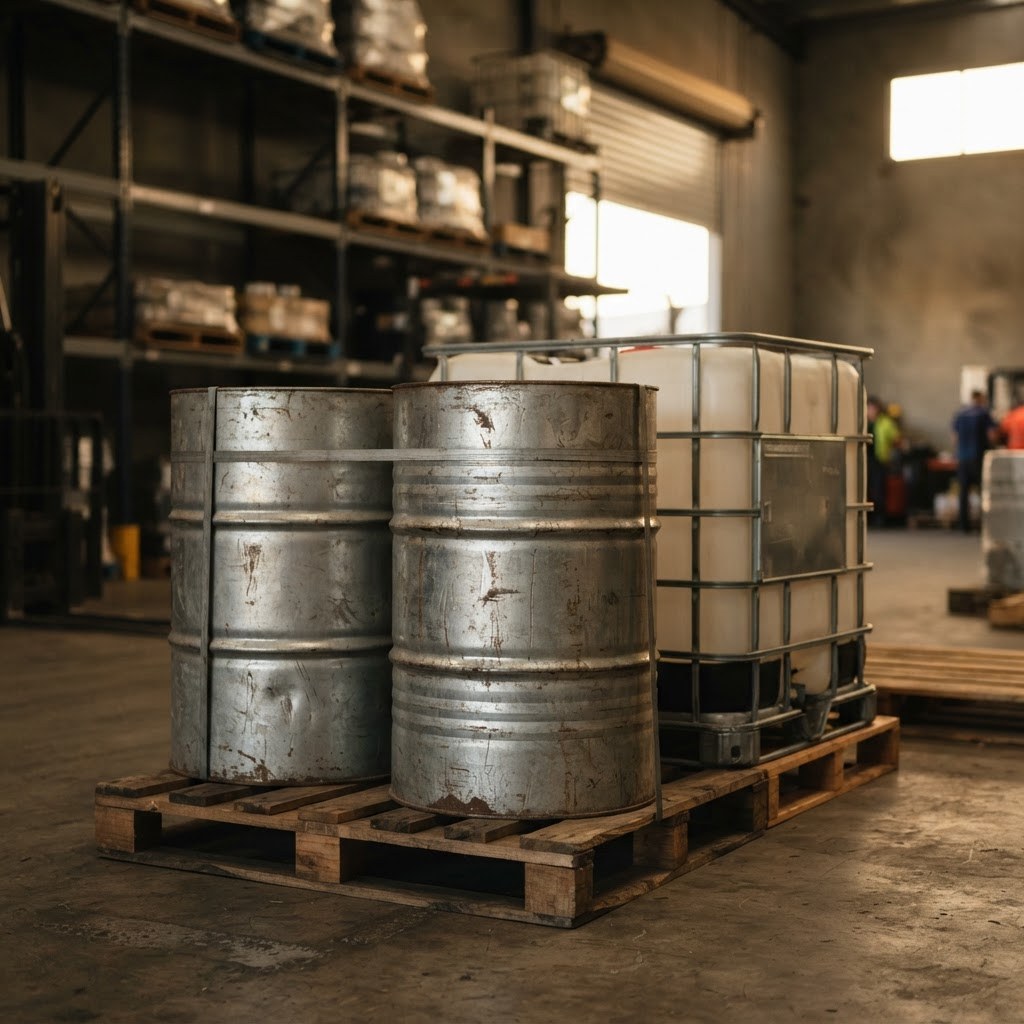
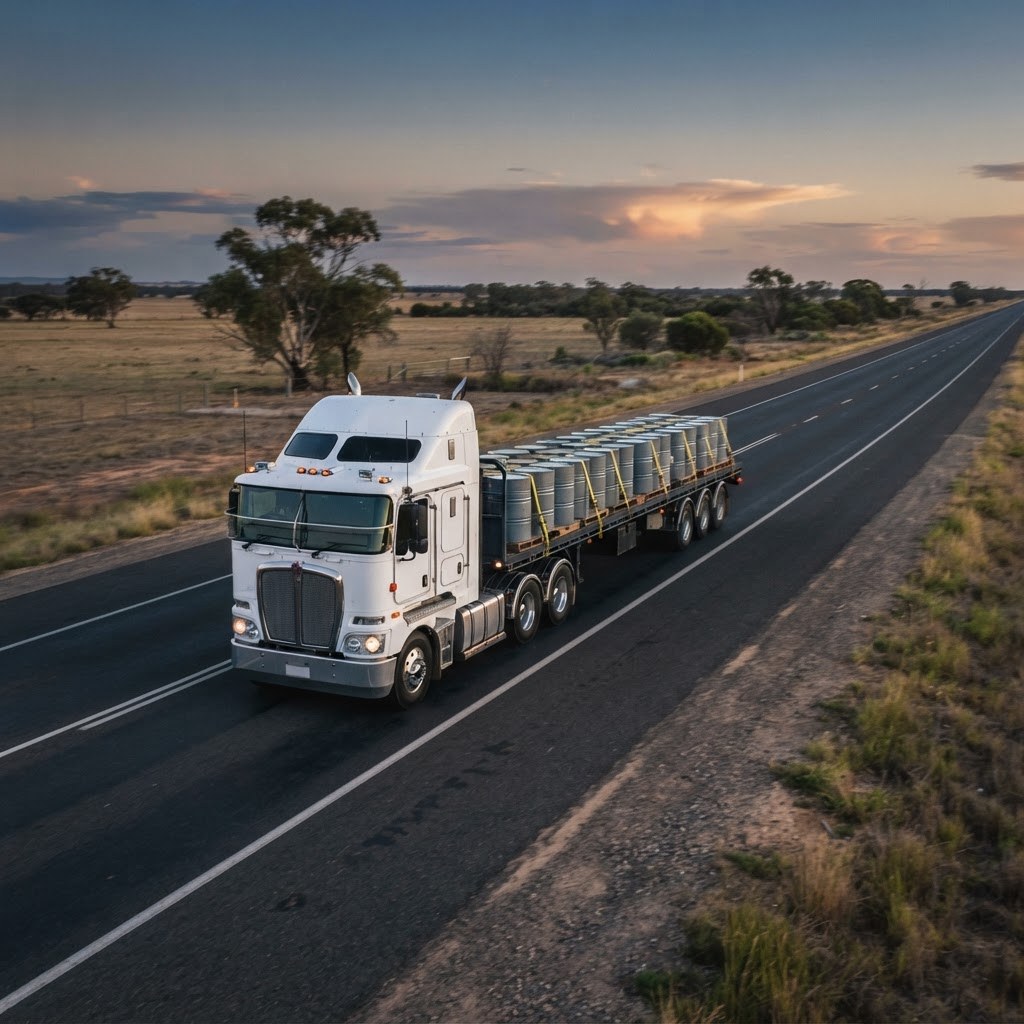
NHVR officers in NSW check your DG licence, fatigue records, load restraint, vehicle condition, and DG documentation. Here is exactly what they look for and how to be ready.Read More
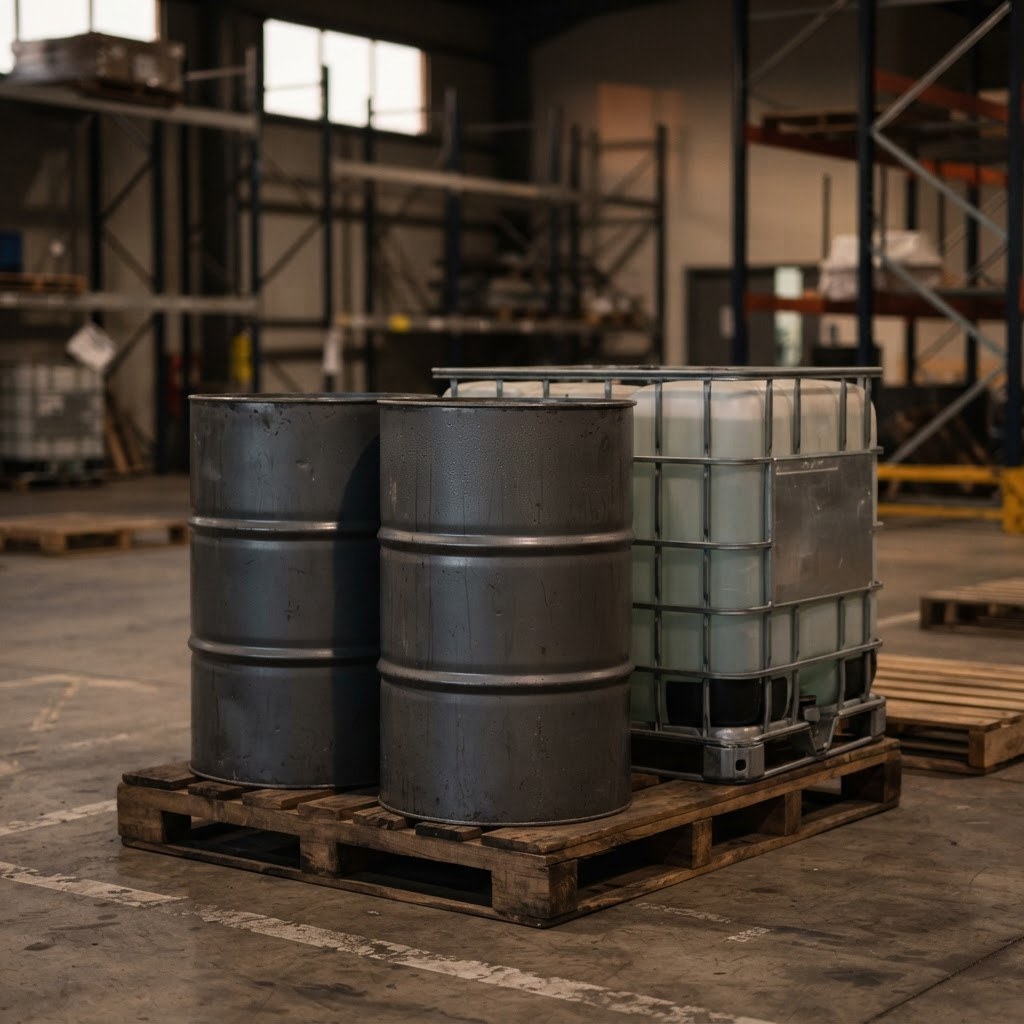
NSW businesses that store or handle dangerous goods above threshold quantities have specific legal obligations. Here is what the Dangerous Goods (General) Regulation requires of your business.Read More
The Blue Card (TLIF0025) is required by many NSW transport companies, mine sites, and port facilities. Here is what it certifies, who needs it, and how to get one at Kells.Read More
Before you can apply for a Dangerous Goods Driver Licence in NSW, you need a medical fitness certificate from a GP. Here is what the assessment involves and how to prepare.Read More
If you transport dangerous goods in NSW, segregation is not optional — it is a legal requirement under the ADG Code. Learn which classes cannot travel together and what inspectors check.Read More
Placardable quantities are the threshold at which dangerous goods transport triggers mandatory placarding, safety equipment and documentation requirements under the ADG Code. The driver licence is a separate test tied to bulk receptacles over 500 litres or 500 kilograms. This guide explains how they're calculated, what they mean for drivers and consignors, and what happens...Read More
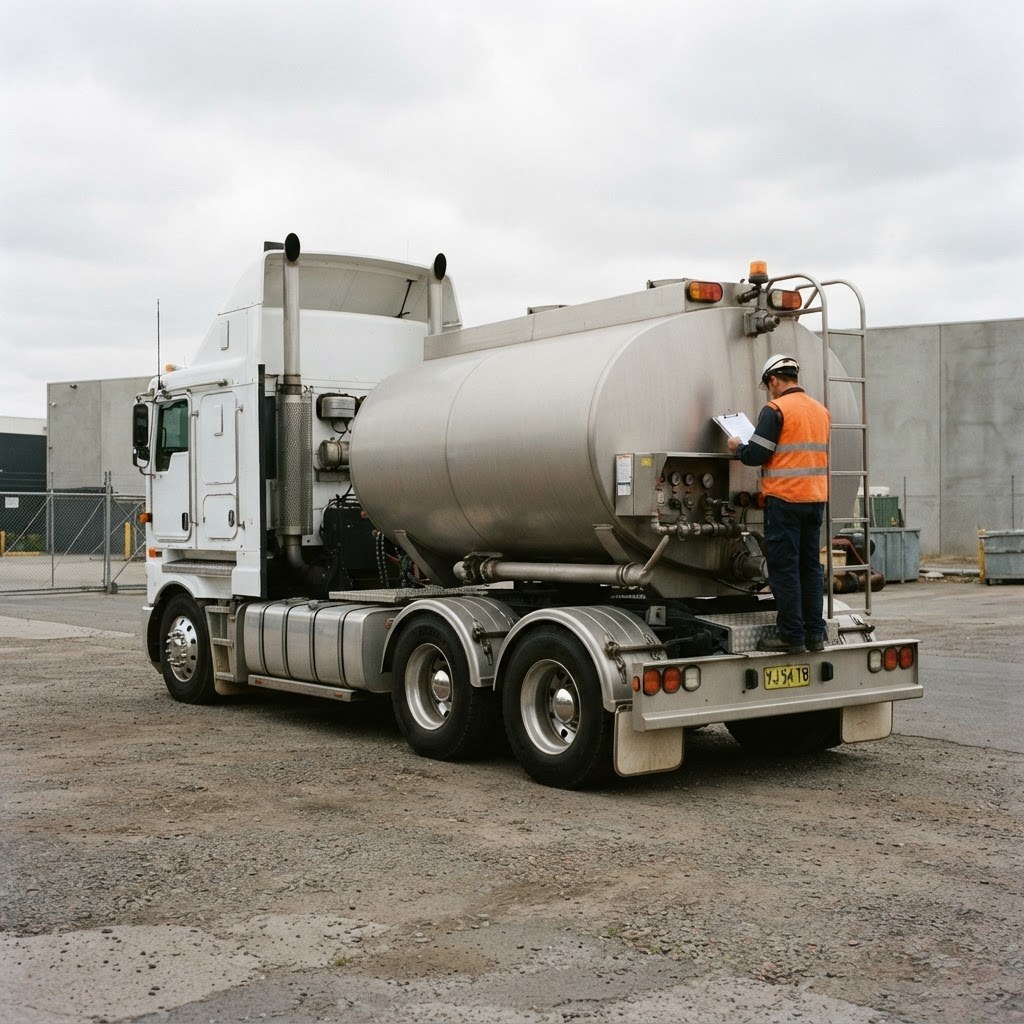
Fuel tanker drivers in NSW transport Class 3 flammable liquids in bulk — which puts them firmly in the placardable category under the ADG Code. This guide explains whether you need a dangerous goods licence to drive a fuel tanker, what the course involves, and how to get compliant.Read More
The NHVR's fatigue management framework is a tiered system of three distinct categories — Standard Hours, BFM, and AFM — each with different work and rest hour allowances. If you drive a heavy vehicle in NSW or manage drivers, this guide explains the key differences and which category applies to you.Read More
Transport schedulers and dispatchers in NSW carry direct Chain of Responsibility obligations under the Heavy Vehicle National Law. This guide explains what fatigue management duties apply to schedulers, what records are required, and how to avoid the compliance traps that catch dispatchers out.Read More
Enrolling in a safety training course shouldn't be complicated. This guide walks you through the entire process of booking with Kells Safety Centre — from choosing the right course to receiving your Statement of Attainment. RTO 91528. Courses available in Wetherill Park and Wollongong.Read More