
Whether a Dangerous Goods Driver Licence is required for a particular load is one of the most common questions drivers and transport businesses ask. The answer is not always obvious — it depends on the class of dangerous goods, the quantity being transported, and whether the load weight / capacity reaches a certain threshold. Get it wrong in either direction and you either expose yourself to legal risk or spend money on training you do not need.
What Is a Dangerous Goods Driver Licence?
A Dangerous Goods Driver Licence is a NSW EPA-issued licence required for anyone driving a road vehicle that carries dangerous goods in ‘bulk’ quantities. The licence is valid for five years and must be obtained and renewed by completing a two day face to face training course. It is not a generic safety certificate. It is a legal authorisation to transport specific types of regulated substances on NSW roads. You can find more about the NSW EPA requirements on the NSW EPA Dangerous Goods Licences page.
Who Is Required to Hold a DG Licence in NSW?
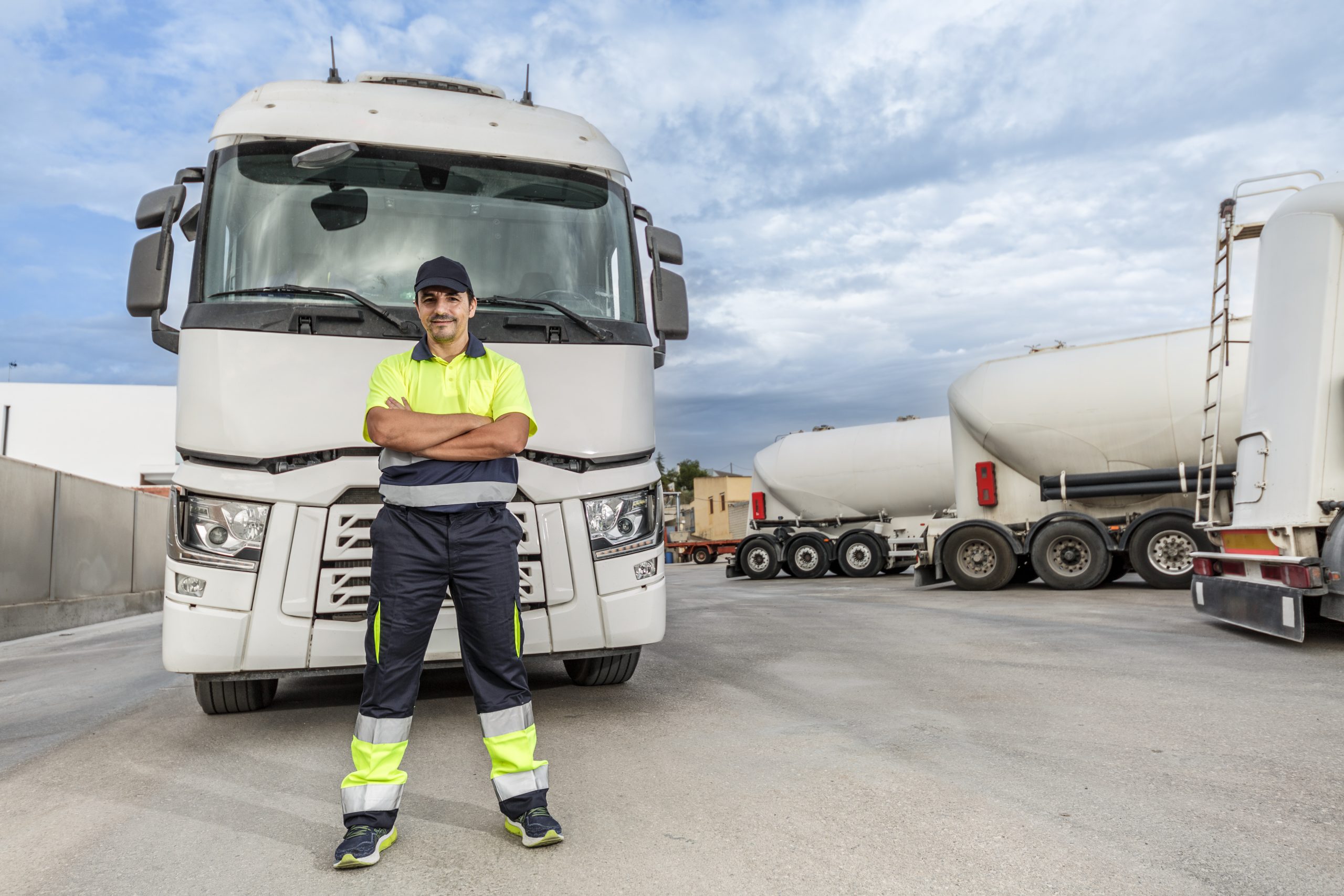
You are required to hold a valid Dangerous Goods Driver Licence if you drive a vehicle on a public road in NSW carrying ‘bulk’ dangerous goods. This covers: fuel tanker drivers, chemical transport operators, drivers transporting explosives, flammable gases, toxic substances, radioactive materials, and other Class 1–9 substances as defined in the ADG Code. The requirement applies to the driver — not just the operator or employer.
What Is the Placarding Threshold?
The placarding threshold is the quantity of dangerous goods above which a vehicle must display placards. Thresholds vary by class. For example, Class 3 flammable liquids have a different threshold than Class 8 corrosives. The thresholds are set in the Australian Dangerous Goods Code (ADG Code). A dangerous goods driver licence is required if the vehicle is carrying any quantity of dangerous goods in a receptacle with a capacity of more than 500 litres, or any receptacle containing more than 500 kilograms of dangerous goods. A receptacle is a container that holds the dangerous goods substance or article and is in contact with it. If your load is below this 500L/kg threshold, a DG Licence is not legally required.
IBC exemption: A DG driver licence is not required if the dangerous goods are in Intermediate Bulk Containers (IBCs), the total capacity of the IBCs on the vehicle is no more than 3000 litres, and no IBC is filled or emptied while on the vehicle.
Need your DG Licence? Kells Safety Centre includes EPA processing in the course fee. Book the DG Licence Course — $618
Which Classes of Dangerous Goods Require a Driver Licence?
The DG Licence requirement applies across all nine classes of dangerous goods when transported at placardable quantities. The most common scenarios in NSW include:
- Class 2.1 — Flammable gases: LPG, natural gas, propane deliveries above threshold
- Class 3 — Flammable liquids: Fuel tankers, chemical tankers, solvent transport
- Class 5.1 — Oxidising agents: Industrial chemical deliveries
- Class 6.1 — Toxic substances: Pesticides, industrial chemicals, herbicides at volume
- Class 8 — Corrosives: Acid and alkali transport in bulk
- Class 9 — Miscellaneous: Lithium batteries, dry ice, and other regulated miscellaneous DG
Owner-Operators and Small Transport Businesses
If you are an owner-operator or run a small transport business, the DG Licence obligation falls on the individual driver — including you if you are behind the wheel. Under Chain of Responsibility laws enforced by the National Heavy Vehicle Regulator (NHVR), transport operators also have obligations to ensure their drivers hold the correct licences and competencies. Dispatching a driver without a valid DG Licence for transporting a ‘bulk’ DG load creates legal exposure for the business, not just the individual driver.
What About Warehouse and Depot Staff?
Warehouse workers, depot staff, and freight handlers who do not drive dangerous goods vehicles do not need a DG Driver Licence. They may benefit from Dangerous Goods Awareness training or the Store and Handle Dangerous Goods course, depending on their role. These are separate qualifications from the driver licence and are designed for non-driving DG roles.
Frequently Asked Questions
Do I need a DG licence if I only occasionally transport dangerous goods?
Yes — if you transport ‘bulk’ dangerous goods on a public road in NSW, a valid DG Licence is required regardless of how often you do it. There is no occasional or part-time exemption. If the load is ‘bulk’ DG, the licence is required for every trip.
Is a DG licence required for transporting small quantities?
Not if the quantity is considered ‘packaged’ DG as defined in the ADG Code. Loads below the 500 litre / 500 kilogram per-receptacle threshold do not legally require a DG Licence. However, employers may still require one for risk management purposes. If you are unsure whether your load reaches the threshold, check the ADG Code or call Kells Safety Centre for advice.
What happens if a driver is caught without a DG licence?
Operating without a valid DG Licence for a placardable load is an offence under NSW law. Penalties can include on-the-spot fines for the driver and potential prosecution of the operator. Under CoR laws, the employer and scheduler may also face liability if they knew or should have known the driver was unlicensed.
How do I get a DG licence in NSW?
Complete the TLILIC0001 Dangerous Goods Licence Course through an accredited RTO. Kells Safety Centre (RTO 91528) delivers the two-day face-to-face course at Wetherill Park and Wollongong, with EPA application processing included in the course fee. View upcoming course dates or call 1300 88 75 76.
Does an interstate DG licence work in NSW?
DG licences issued under state frameworks vary. If you hold a DG licence from another state, check with the NSW EPA whether it is recognised for operations on NSW roads. For certainty, completing the TLILIC0001 through a NSW-based RTO ensures your compliance with local EPA requirements.
Kells Safety Centre delivers the Dangerous Goods Licence Course (TLILIC0001) at Wetherill Park and Wollongong. $618 all inclusive — EPA processing handled. View All Training Courses
Related reading: