
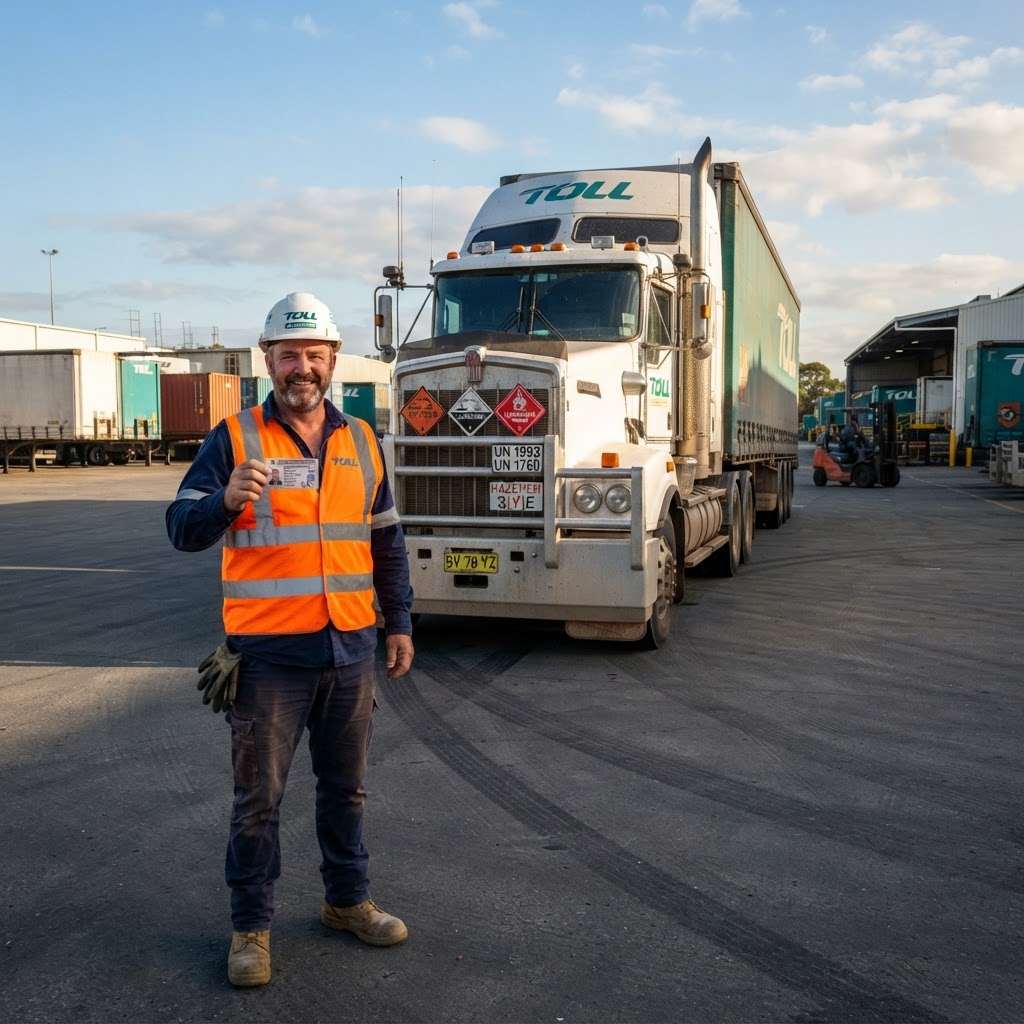
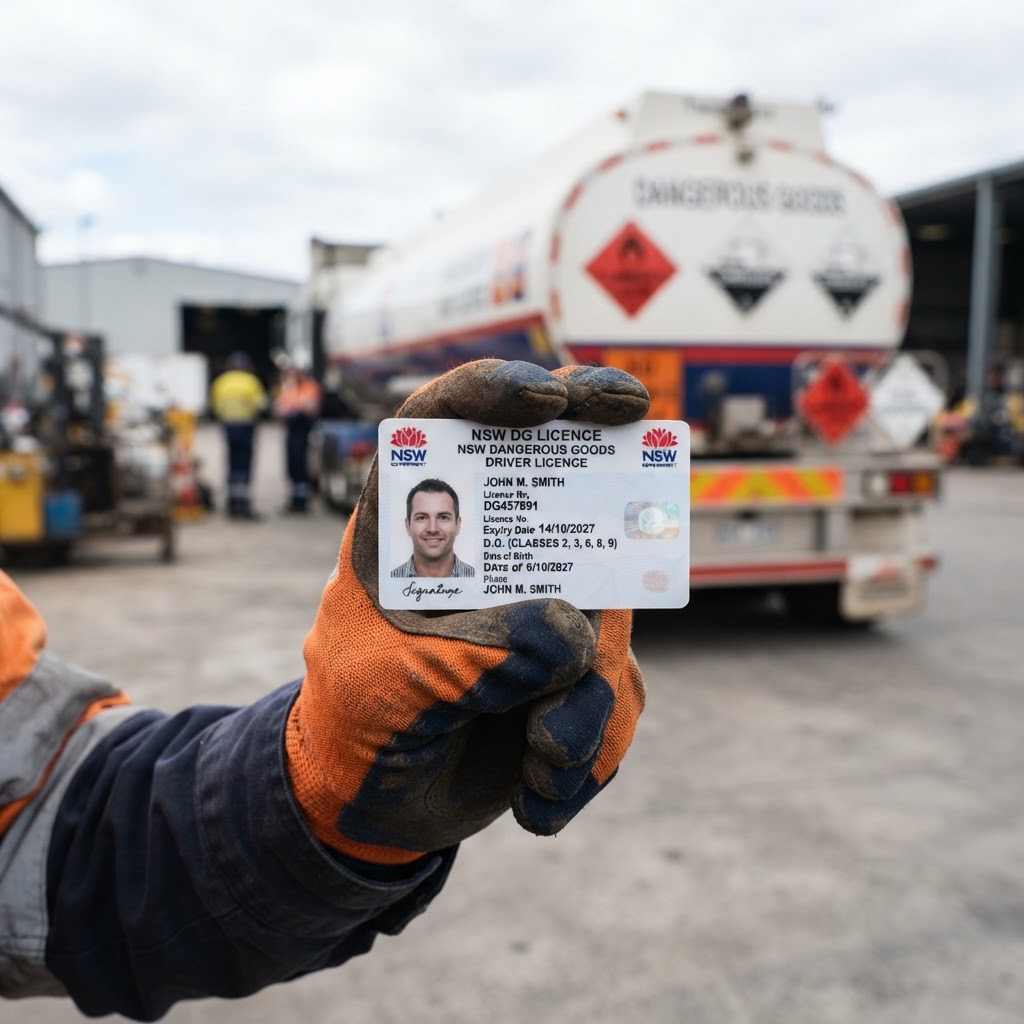
If you’ve heard drivers talk about getting their “dangerous goods ticket”, you might be wondering exactly what it is and whether you need one. In NSW, a dangerous goods ticket is the common industry term for the dangerous goods driver licence (nationally accredited unit TLILIC0001). It’s not a separate piece of paper — it’s the same EPA-issued licence that authorises you to drive a vehicle carrying a placard load of dangerous goods on NSW roads.
Kells Safety Centre (RTO 91528) delivers the TLILIC0001 course that leads to this licence at our Wetherill Park and Wollongong training centres. The course runs for 2 days, costs $618 (including EPA licence processing), and the licence is valid for 5 years. Without it, you cannot legally drive a vehicle transporting dangerous goods in bulk above placard thresholds anywhere in Australia.
Quick Summary
What: A dangerous goods ticket = the TLILIC0001 dangerous goods driver licence, issued by NSW EPA after completing an accredited 2-day course.
Who needs it: Any driver transporting dangerous goods in a placard load — that means carrying dangerous goods in bulk or above the quantity thresholds set out in the Australian Dangerous Goods (ADG) Code.
How to get it: Complete the TLILIC0001 course at an RTO like Kells Safety Centre, pass the assessment, and submit your application to NSW EPA for licence issuance.
Cost: $618 at Kells Safety Centre, including EPA licence processing. The licence is valid for 5 years.
Where: Kells Safety Centre delivers the course in Wetherill Park (Western Sydney) and Wollongong (Illawarra region), with online theory components available for some modules.
Key Takeaways
- A “DG ticket” is shorthand for the TLILIC0001 dangerous goods driver licence — not a separate qualification
- Required for any driver carrying a placard load of dangerous goods in NSW
- The course takes 2 days and costs $618 at Kells Safety Centre (RTO 91528)
- The licence is issued by NSW EPA and is valid for 5 years
- Renewal requires completing a refresher course before the expiry date
- If you handle or store dangerous goods but don’t drive, you need DG awareness training instead
What Is a Dangerous Goods Ticket?
Across the Australian transport industry, drivers and operators use the term “dangerous goods ticket” or “DG ticket” to refer to the licence that authorises a person to drive a vehicle carrying dangerous goods. Formally, this is the TLILIC0001 Licence to Drive a Vehicle Transporting Dangerous Goods — a nationally recognised unit of competency delivered by Registered Training Organisations (RTOs) and assessed against the requirements of the Australian Dangerous Goods Code.
Once you complete the training and pass the assessment, your RTO submits your application to the NSW EPA, which issues the actual licence card. You carry that card whenever you’re driving a placard load. So when someone says “I’ve got my DG ticket,” they mean they hold a current dangerous goods driver licence issued by the EPA.
It’s important to understand that the “ticket” and the “course” are two parts of one process: the course (TLILIC0001) is the training, and the EPA licence is the result. You need both.
Do You Need a Dangerous Goods Ticket?
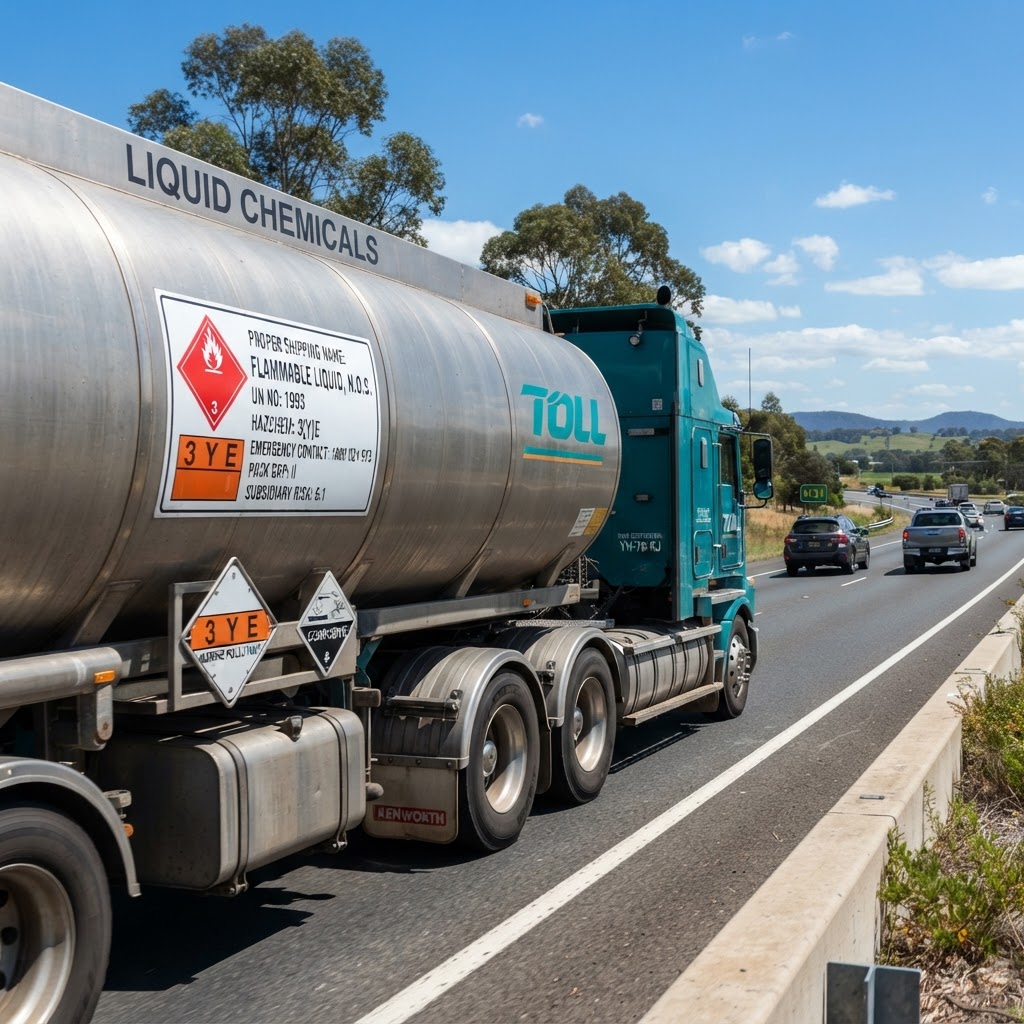
Not every driver who transports dangerous goods needs a DG licence. The trigger is whether you’re carrying a placard load — a quantity of dangerous goods large enough to require placards on the vehicle under the ADG Code. If the load is below placard thresholds, you may only need dangerous goods awareness training rather than a full licence.
You need a dangerous goods ticket if you:
- Drive a vehicle transporting dangerous goods in bulk (in a tank, IBC, or bulk container)
- Carry dangerous goods above the placard load threshold for your class and packing group
- Operate a vehicle with dangerous goods placards displayed
For a detailed breakdown of which loads trigger the requirement, see our guide on what loads require a dangerous goods licence in NSW. If you’re unsure whether your load qualifies, the ADG Code sets out the thresholds by class and packing group — your transporter or compliance officer can help you determine whether placards are required.
How to Get Your Dangerous Goods Ticket in NSW
Getting your DG ticket involves three steps: enrol in an accredited course, complete the training and assessment, and apply for the EPA licence. Here’s how it works at Kells Safety Centre.
Step 1: Enrol in the TLILIC0001 Course
The first step is to book a place on the dangerous goods licence course at an EPA-approved RTO. Kells Safety Centre (RTO 91528) runs the TLILIC0001 course at our Wetherill Park and Wollongong training centres. The course fee is $618, which includes EPA licence processing.
You can enrol online or by phone. You don’t need any prior qualifications to enrol, though a current driver’s licence and a basic understanding of transport operations will help you get more out of the training.
Step 2: Complete the 2-Day Training and Assessment
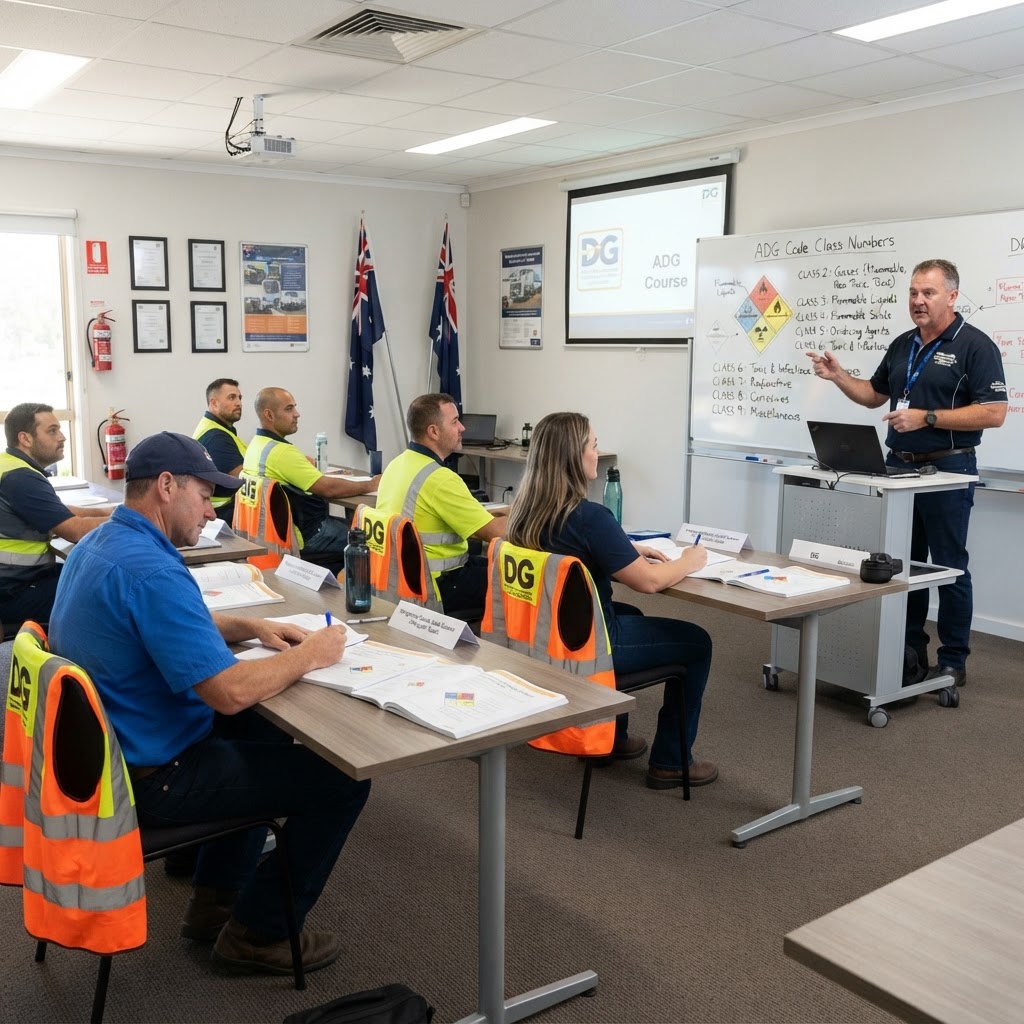
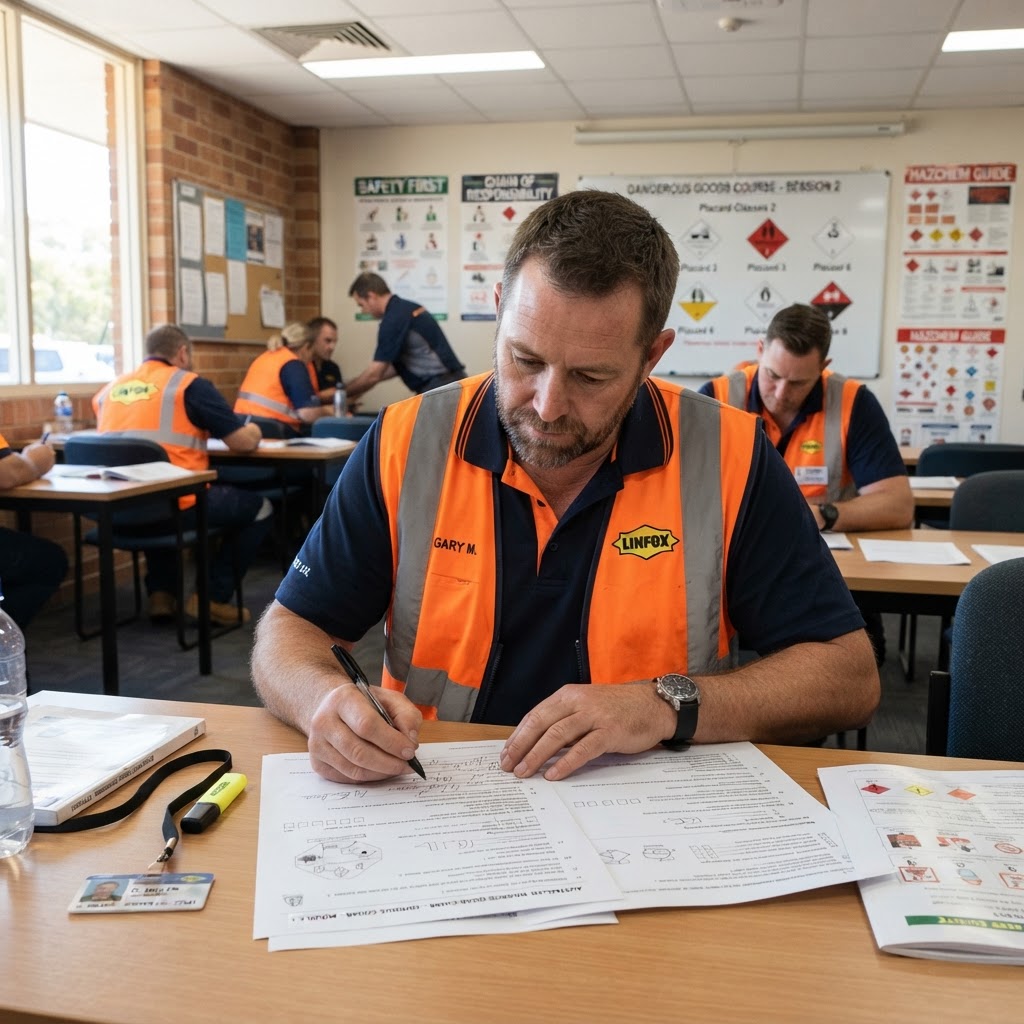
The course runs for 2 days and covers the ADG Code, dangerous goods classes, placarding requirements, emergency procedures, vehicle marking, and safe loading and unloading practices. The assessment includes a written exam and a practical demonstration. You must pass both components to receive your statement of attainment.
Step 3: Apply for Your EPA Licence
Once you’ve passed the assessment, Kells Safety Centre submits your application to the NSW EPA for dangerous goods licence issuance. The EPA processes the application and issues your licence card, which is valid for 5 years. You must carry this card whenever you drive a placard load.
For a deeper dive on the full process, see our step-by-step guide on how to get a dangerous goods licence in NSW.
How Much Does a Dangerous Goods Ticket Cost?
At Kells Safety Centre, the TLILIC0001 course costs $618. This covers the full 2-day training programme, all course materials, assessment fees, and EPA licence processing. There are no hidden charges.
For a broader comparison of licence costs across Australia, see our guide on DG licence course cost, duration and requirements.
How Long Is the Course?
The TLILIC0001 course runs for 2 days. Day 1 covers dangerous goods classes, the ADG Code, and placarding requirements. Day 2 covers emergency procedures, vehicle marking, documentation, and the assessment. The assessment itself takes approximately 2 hours and is conducted on day 2.
How Long Is the DG Licence Valid?
Your dangerous goods licence is valid for 5 years from the date of issue. You must renew it before it expires by completing a refresher course and re-submitting your application to NSW EPA. Driving with an expired licence is an offence and can result in significant penalties.
DG Ticket vs DG Awareness Training: What’s the Difference?
This is one of the most common questions we get. The distinction matters because the two qualifications serve different purposes:
- DG ticket (TLILIC0001): Required for drivers who operate vehicles carrying placard loads. This is a licence to drive, issued by the EPA.
- DG awareness training: Required for anyone who handles, stores, or consigns dangerous goods but does NOT drive a placard load vehicle. This is awareness-level training, not a licence.
If you’re a warehouse worker who stores dangerous goods, a packer, a consignor, or a loader, you need DG awareness training — not a full DG licence. If you’re a driver carrying a placard load, you need both the TLILIC0001 course and the EPA licence. For more on who falls into which category, see our guide on who needs a dangerous goods driver licence in NSW.
Where to Get Your DG Ticket in NSW
Kells Safety Centre delivers the TLILIC0001 course at two locations:
- Wetherill Park — Western Sydney, easily accessible from the M4 and M7
- Wollongong — Illawarra region, serving drivers from the South Coast
Both locations offer the same 2-day course, the same assessment, and the same EPA licence pathway. To check upcoming course dates and enrol, visit our training courses page or contact us directly.
Ready to get your dangerous goods ticket? Kells Safety Centre (RTO 91528) delivers the TLILIC0001 course in Wetherill Park and Wollongong. 2-day course, $618 including EPA licence processing.
Enrol in the DG Licence CourseFrequently Asked Questions
Is a dangerous goods ticket the same as a DG licence?
Yes. A “dangerous goods ticket” is the informal industry term for the dangerous goods driver licence (TLILIC0001). There is no separate ticket — when drivers say they have their DG ticket, they mean they hold a current dangerous goods driver licence issued by the NSW EPA. The licence card is valid for 5 years and must be carried whenever driving a placard load.
How long does it take to get a dangerous goods ticket in NSW?
The training itself takes 2 days. After you pass the assessment, your RTO submits your application to NSW EPA, which typically processes and issues the licence card within 2 to 4 weeks. You can start driving placard loads once the EPA issues the licence card — not before.
How much does a dangerous goods ticket cost?
At Kells Safety Centre, the TLILIC0001 course costs $618, which includes the full 2-day training, all course materials, assessment fees, and EPA licence processing. There are no additional or hidden fees.
Do I need a dangerous goods ticket if I only carry small quantities?
If you’re carrying dangerous goods below the placard load threshold, you may not need a full DG licence. However, you still need dangerous goods awareness training to handle, store, and consign those goods safely. The placard thresholds vary by class and packing group — check the ADG Code or ask your compliance officer whether your load requires placards.
Can I do the dangerous goods ticket course online?
The TLILIC0001 course requires a practical assessment that cannot be completed entirely online. At Kells Safety Centre, some theory components may be available online, but the 2-day course includes an in-person written exam and practical demonstration at our Wetherill Park or Wollongong training centres.
How often do I need to renew my dangerous goods ticket?
Your dangerous goods licence is valid for 5 years. You must renew it before the expiry date by completing a refresher course and re-submitting your application to NSW EPA. Driving with an expired DG licence is an offence under the Dangerous Goods (Road and Rail Transport) Act and can result in significant fines and penalties.
What happens if I drive a placard load without a DG ticket?
Driving a vehicle carrying a placard load of dangerous goods without a current DG licence is a serious offence under NSW and national dangerous goods transport law. Penalties can include substantial fines for both the driver and the transport operator, and in serious cases, prosecution. Your employer is also responsible under Chain of Responsibility laws for ensuring all drivers hold the correct licences.
Can I use a NSW dangerous goods ticket in other states?
Yes. The TLILIC0001 unit of competency is nationally recognised, and EPA-issued dangerous goods licences are recognised across all Australian states and territories. If you move states, you may need to transfer your licence to the new state’s EPA equivalent, but the training qualification is portable nationwide.
What is the difference between a DG ticket and a DG awareness certificate?
A DG ticket (TLILIC0001 licence) is required for drivers who operate vehicles carrying placard loads and is issued by the EPA. DG awareness training is for people who handle, store, or consign dangerous goods but don’t drive — it’s a training certificate, not a licence. If you only pack, load, or warehouse dangerous goods, you need awareness training, not a full DG licence.
Get your dangerous goods ticket with Kells Safety Centre. RTO 91528. 2-day TLILIC0001 course in Wetherill Park and Wollongong. $618 including EPA licence processing. Book your place today.
View All Training Courses