
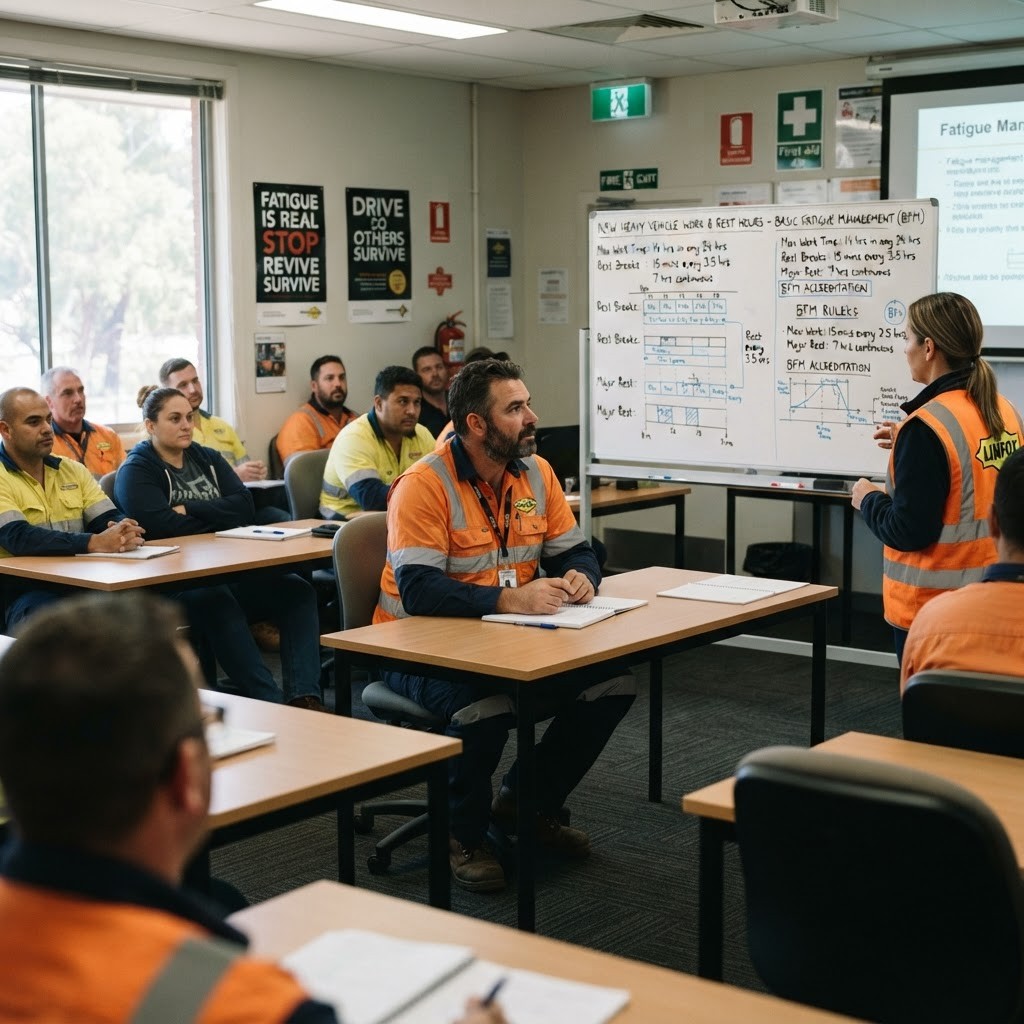
A fatigue management certificate is the qualification NSW heavy vehicle drivers need to operate under the Basic Fatigue Management (BFM) or Advanced Fatigue Management (AFM) frameworks set by the National Heavy Vehicle Regulator (NHVR). In NSW, this certificate proves a driver has completed accredited training in fatigue risk management, work and rest hour planning, and NHVR compliance. Kells Safety Centre (RTO 91528) delivers fatigue management certificate training at Wetherill Park and Wollongong for drivers, schedulers, and transport operators across NSW.
nnnnWhether you drive long-haul under BFM flexibility, schedule rosters as a fatigue management scheduler, or manage a fleet under AFM, you need the right fatigue management certificate for your role. This guide explains what each certificate covers, who needs it, how to get it, and what it costs in NSW.
nnnnQuick Summary: Which Fatigue Management Certificate Do You Need?
nnnnNSW has three main fatigue management certificates, each mapped to a specific NHVR framework and TLI unit code:
nnnn| Certificate | Unit Code | Who Needs It | Framework |
|---|---|---|---|
| Basic Fatigue Management (BFM) Driver | TLIIF0005 | Drivers operating under BFM | NHVR BFM |
| Advanced Fatigue Management (AFM) Driver | TLIIF0007 | Drivers operating under AFM | NHVR AFM |
| Fatigue Management Scheduler | TLIIF0006 | Schedulers and dispatchers | NHVR BFM/AFM |
Most NSW drivers start with the BFM driver certificate (TLIIF0005) because BFM is the most common NHVR fatigue framework. Schedulers and dispatchers need the scheduler fatigue management certificate (TLIIF0006) to plan compliant rosters under BFM or AFM.
nnnnWhat Is a Fatigue Management Certificate?
nnnnA fatigue management certificate is a statement of attainment issued by a Registered Training Organisation (RTO) after a driver or scheduler completes accredited fatigue management training. The certificate demonstrates that the holder understands the NHVR fatigue management framework, can plan work and rest hours within legal limits, and can identify and manage fatigue risk on the road.
nnnnIn NSW, fatigue management is regulated under the NHVR fatigue management framework, which forms part of the Heavy Vehicle National Law (HVNL). The NHVR defines three fatigue management options: Standard Hours, Basic Fatigue Management (BFM), and Advanced Fatigue Management (AFM). Each option has different work and rest hour limits, and drivers operating under BFM or AFM need accredited training to understand and apply the rules.
nnnnWithout a valid fatigue management certificate, drivers cannot legally operate under BFM or AFM frameworks in NSW. They are restricted to Standard Hours, which are less flexible and may not suit long-haul or remote operations.
nnnnWho Needs a Fatigue Management Certificate in NSW?
nnnnDrivers Operating Under BFM
nnnnIf you drive a heavy vehicle (12+ tonnes GVM or a bus with 12+ adults) and your operator runs under BFM accreditation, you need the BFM driver certificate (TLIIF0005). BFM gives drivers more flexibility than Standard Hours, allowing up to 14 hours work time in a 24-hour period and shorter rest breaks. The certificate ensures you understand these expanded limits and how to manage fatigue within them. Our BFM driver course covers this certification.
nnnnDrivers Operating Under AFM
nnnnAdvanced Fatigue Management (AFM) is the most flexible NHVR framework, allowing operators to design customised fatigue management systems tailored to their operations. Drivers operating under AFM need the AFM driver certificate (TLIIF0007), which builds on BFM principles and covers advanced fatigue risk management, bespoke work/rest schedules, and performance-based standards.
nnnnSchedulers and Dispatchers
nnnnSchedulers, dispatchers, and roster managers who plan work for BFM or AFM drivers need the scheduler fatigue management certificate (TLIIF0006). This certificate covers how to build compliant rosters, identify fatigue risk in scheduling, and ensure work and rest hours meet NHVR requirements. It is separate from the driver certificate because the responsibilities are different: schedulers plan the hours, drivers execute them.
nnnnTransport Operators and Fleet Managers
nnnnWhile operators do not always need a driver certificate themselves, they are responsible for ensuring every driver and scheduler in their business holds the correct fatigue management certificate. Under Chain of Responsibility (CoR) laws, an operator who allows an uncertified driver to operate under BFM or AFM faces significant penalties from the NHVR and Safe Work NSW.
nnnnFor a deeper dive on the rules, see our guide to heavy vehicle fatigue management rules in NSW.
nnnnnnBFM vs AFM: Which Certificate Is Right for You?
nnnnThe difference between BFM and AFM comes down to flexibility and complexity:
nnnn| Feature | BFM (Basic) | AFM (Advanced) |
|---|---|---|
| Max work time (24h) | 14 hours | Customised (operator-specific) |
| Min rest time (24h) | 7 hours continuous | Flexible (risk-based) |
| NHVR accreditation | Required | Required (more complex) |
| Driver certificate | TLIIF0005 | TLIIF0007 |
| Scheduler certificate | TLIIF0006 | TLIIF0006 |
| Best for | Most long-haul drivers | Specialised operations |
Most NSW drivers only need the BFM certificate. AFM is typically reserved for operators with unique requirements (e.g. remote mining haulage, multi-day livestock transport) who need customised work/rest schedules beyond what BFM allows. Learn more in our BFM driver guide for NSW.
nnnnHow to Get a Fatigue Management Certificate in NSW
nnnnStep 1: Choose the Right Course
nnnnDetermine whether you need the BFM driver certificate (TLIIF0005), the AFM driver certificate (TLIIF0007), or the scheduler certificate (TLIIF0006). If you are a driver, start with BFM unless your operator specifically requires AFM. If you schedule rosters, you need the scheduler course.
nnnnStep 2: Enrol with an RTO
nnnnChoose a Registered Training Organisation accredited to deliver the relevant TLI unit. Kells Safety Centre (RTO 91528) delivers BFM driver, scheduler, and AFM training at our Wetherill Park and Wollongong training centres, with online options available for some units.
nnnnStep 3: Complete the Training
nnnnBFM driver training typically takes one day (approximately 8 hours including assessment). The scheduler course is similar in duration. Training covers NHVR fatigue frameworks, work and rest hour limits, fatigue risk identification, record-keeping (work diaries and electronic work diaries), and emergency procedures. See our guide on BFM course duration and what is included for full details.
nnnnStep 4: Pass the Assessment
nnnnEach course includes a written and/or practical assessment. You must demonstrate understanding of the relevant NHVR framework, work/rest hour calculations, and fatigue risk management procedures.
nnnnStep 5: Receive Your Statement of Attainment
nnnnOn successful completion, the RTO issues a statement of attainment for the relevant unit code. This is your fatigue management certificate. Keep it with your driver records and provide a copy to your operator.
nnnnn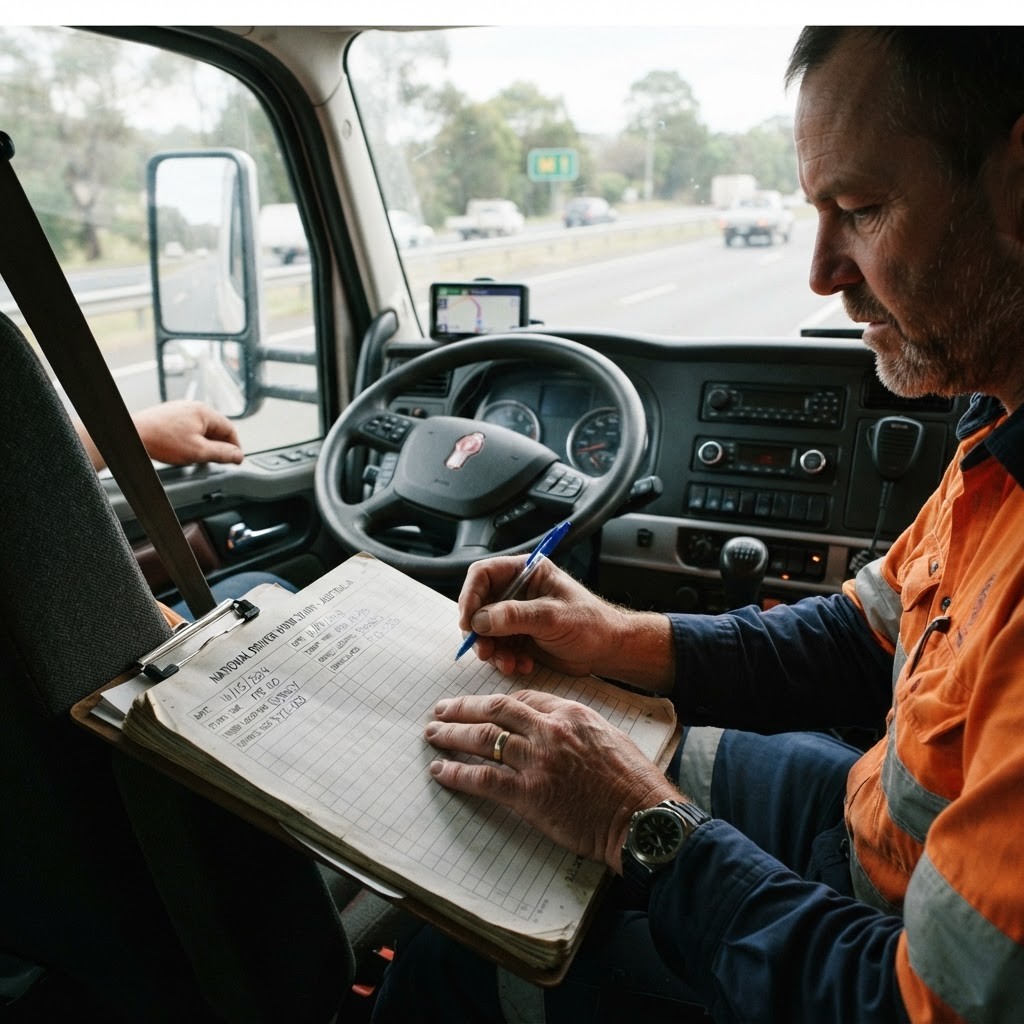 n
nFatigue Management Certificate Cost in NSW
nnnnCourse fees vary by provider and delivery mode. Kells Safety Centre offers competitive pricing for BFM driver, scheduler, and AFM courses. For current pricing and enrolment details, contact us or view our training courses page.
nnnnSome operators cover the cost of fatigue management training for their drivers as part of their NHVR accreditation obligations. If you are an owner-driver, check whether your operator will fund your certificate.
nnnnIs the Fatigue Management Certificate the Same as BFM Accreditation?
nnnnNo. The fatigue management certificate (driver training) is separate from BFM accreditation (operator-level NHVR approval). An operator must hold BFM accreditation with the NHVR before any driver can operate under BFM. The driver certificate is evidence that the driver has been trained to operate within the BFM framework. Both are required: the operator needs accreditation, and the driver needs the certificate.
nnnnFor more on the operator side, see our guide on BFM accreditation in NSW. For the legal background, read our breakdown of NHVR fatigue law for NSW truck drivers.
nnnnCan You Do Fatigue Management Training Online?
nnnnYes. Kells Safety Centre offers BFM training online for drivers who cannot attend in person. The online course covers the same content as the classroom version and leads to the same statement of attainment (TLIIF0005). Online training is self-paced but must be completed within the allocated timeframe. Assessment is conducted online with identity verification.
nnnnFatigue Management Certificate: Key Takeaways
nnnn- n
- BFM driver certificate (TLIIF0005) is the most common — needed by drivers operating under BFM n
- AFM driver certificate (TLIIF0007) is for advanced, customised fatigue frameworks n
- Scheduler certificate (TLIIF0006) is required for anyone planning work rosters under BFM or AFM n
- Training takes approximately one day per certificate n
- Certificates are issued as statements of attainment by an RTO like Kells Safety Centre (RTO 91528) n
- Operators need separate NHVR accreditation — the driver certificate alone is not enough n
- Online training is available for BFM in NSW n
Frequently Asked Questions
nnnnWhat is a fatigue management certificate?
nnA fatigue management certificate is a statement of attainment issued by an RTO after a driver or scheduler completes accredited training in NHVR fatigue management. It proves the holder understands BFM or AFM work and rest hour limits, fatigue risk management, and record-keeping requirements. In NSW, drivers operating under BFM need the TLIIF0005 certificate, and schedulers need TLIIF0006.
nnnHow do I get a fatigue management certificate in NSW?
nnTo get a fatigue management certificate in NSW, enrol in the relevant TLI unit with a Registered Training Organisation like Kells Safety Centre (RTO 91528). Complete the training (approximately one day for BFM), pass the assessment, and receive your statement of attainment. The BFM driver certificate is TLIIF0005, the scheduler certificate is TLIIF0006, and the AFM driver certificate is TLIIF0007.
nnnHow long does a fatigue management certificate last?
nnThe statement of attainment does not have a formal expiry date. However, NHVR recommends refresher training every 3 to 5 years, particularly when fatigue management rules or the HVNL are updated. Some operators require drivers to redo training as part of their internal fatigue management policy. Check with your operator for their specific requirements.
nnnWhat is the difference between BFM and AFM certificates?
nnThe BFM certificate (TLIIF0005) covers Basic Fatigue Management, which allows up to 14 hours work time in a 24-hour period with defined rest breaks. The AFM certificate (TLIIF0007) covers Advanced Fatigue Management, which allows operators to design customised work and rest schedules based on risk assessment. AFM is more flexible but more complex. Most NSW drivers only need BFM.
nnnDo schedulers need a fatigue management certificate?
nnYes. Schedulers, dispatchers, and roster managers who plan work for drivers operating under BFM or AFM need the scheduler fatigue management certificate (TLIIF0006). This certificate ensures schedulers understand NHVR work and rest hour limits and can build compliant rosters. It is a separate qualification from the driver certificate because the responsibilities are different.
nnnCan I do fatigue management training online in NSW?
nnYes. Kells Safety Centre offers online BFM training (TLIIF0005) for drivers who cannot attend in person at our Wetherill Park or Wollongong training centres. The online course covers the same content and leads to the same statement of attainment. Assessment is conducted online with identity verification.
nnnHow much does a fatigue management certificate cost in NSW?
nnCourse fees vary by provider and delivery mode (classroom vs online). Kells Safety Centre offers competitive pricing for BFM, AFM, and scheduler courses. Contact us for current pricing or check our training courses page. Some operators cover training costs for their drivers as part of NHVR accreditation obligations.
nnnIs a fatigue management certificate the same as NHVR BFM accreditation?
nnNo. The fatigue management certificate is driver-level training. BFM accreditation is operator-level approval from the NHVR. An operator must hold BFM accreditation before drivers can operate under BFM. Each driver also needs their own certificate (TLIIF0005). Both are required for legal BFM operation in NSW.
nnnWho enforces fatigue management compliance in NSW?
nnThe National Heavy Vehicle Regulator (NHVR) enforces fatigue management compliance under the Heavy Vehicle National Law. Safe Work NSW also has WHS obligations relating to workplace fatigue. Transport for NSW supports NHVR enforcement through roadside inspections and compliance operations. Penalties for non-compliance can include fines, licence suspension, and operator accreditation loss.
nnnWhere can I do fatigue management training in NSW?
nnKells Safety Centre (RTO 91528) delivers fatigue management certificate training at our Wetherill Park training centre in Western Sydney and our Wollongong training centre. Online BFM training is also available. Book your course through our training courses page or contact us for group bookings and on-site training for fleets.
nnn n
n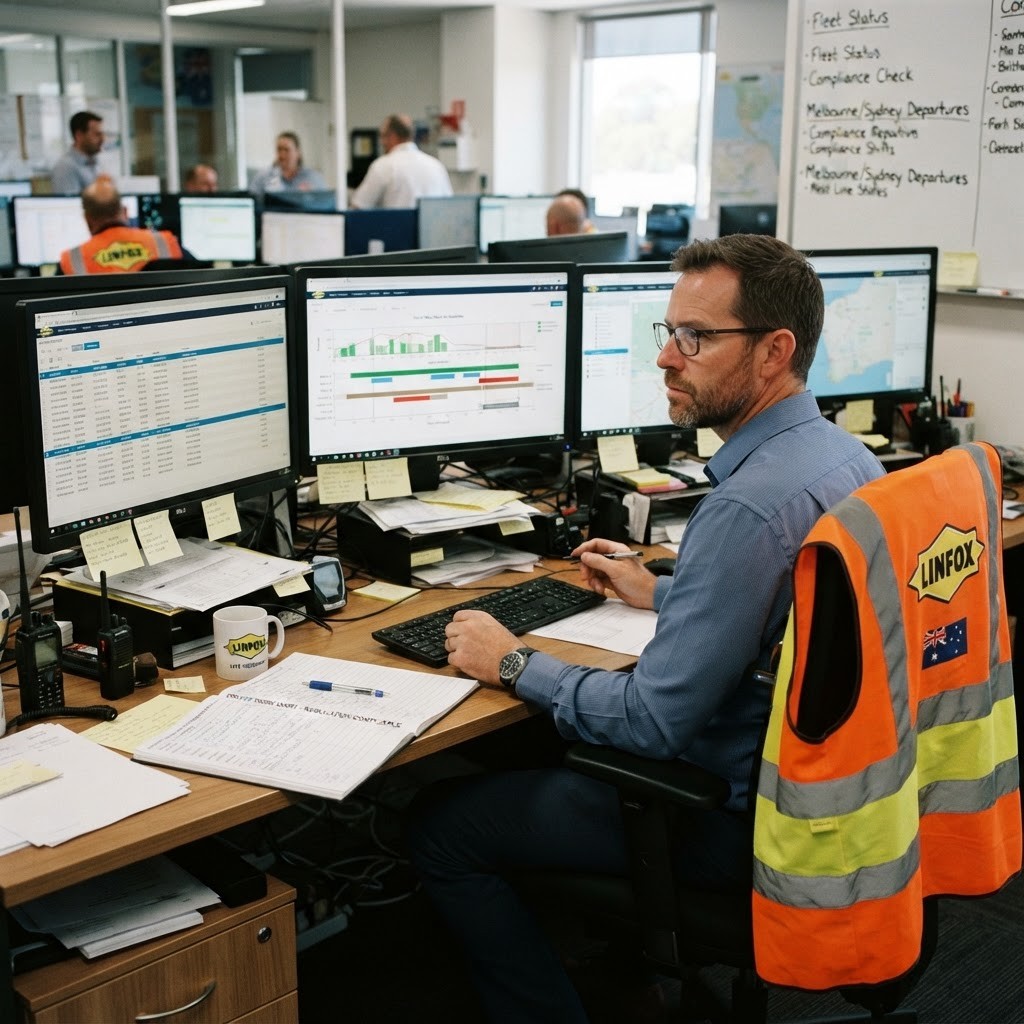 n
n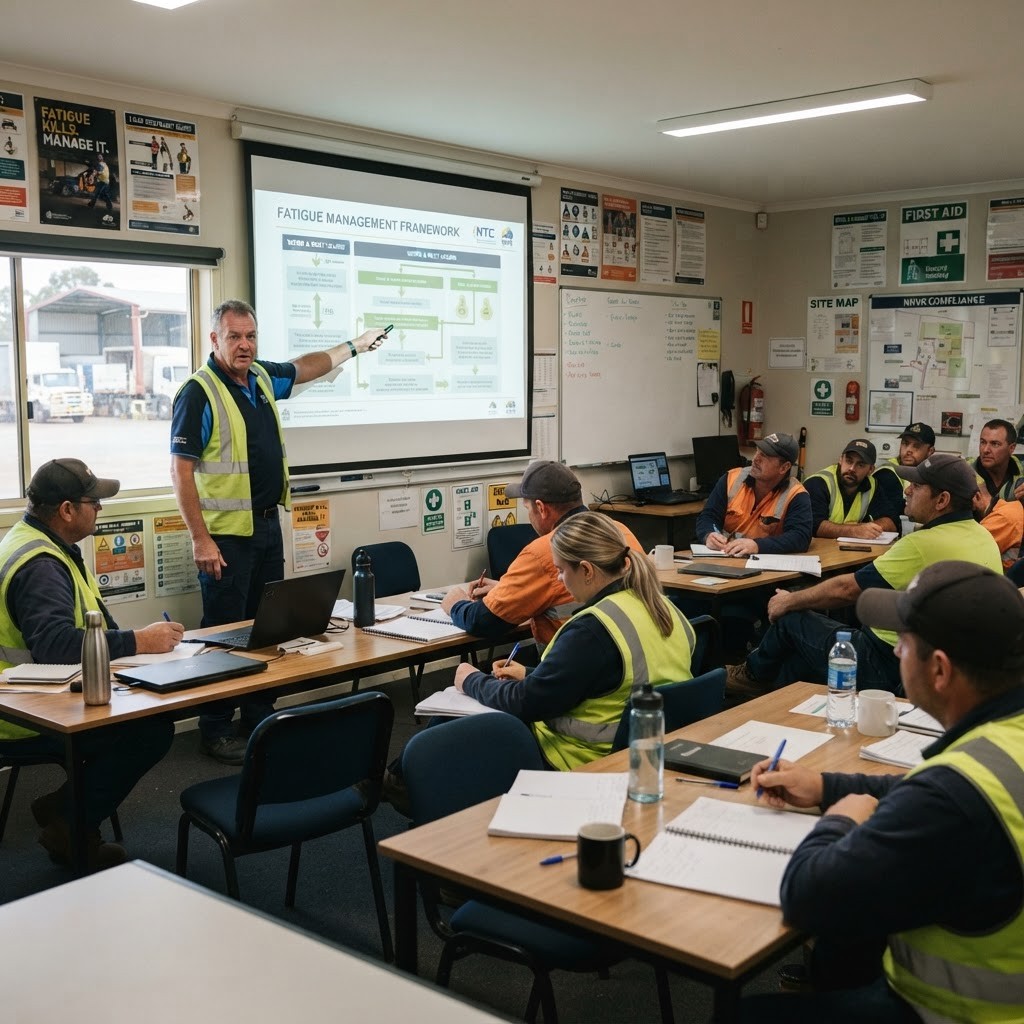 n
nReady to get your fatigue management certificate? Kells Safety Centre (RTO 91528) delivers BFM, AFM, and scheduler training at Wetherill Park and Wollongong, with online options available.
nView All Training Courses and Enroln