
Common Class 8 UN numbers seen on NSW consignment documents include UN 1830 (sulphuric acid), UN 1789 (hydrochloric acid), UN 1824 (sodium hydroxide solution), UN 2796 (battery fluid, acid) and UN 1760 (corrosive liquid, n.o.s.).
Some corrosives also react violently with water or other classes, which is why the ADG Code applies marking and segregation rules once a load reaches placard quantity, and licensing rules for bulk loads.
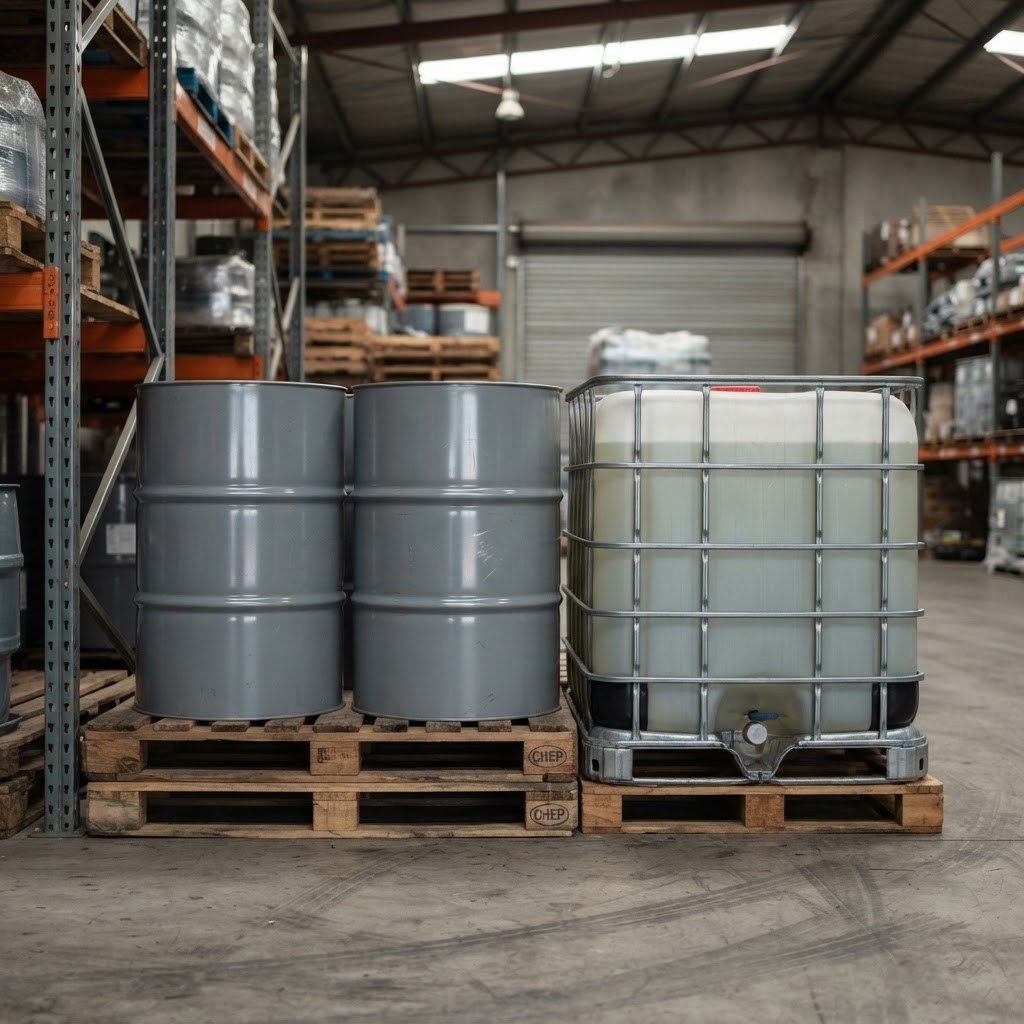
Class 8 corrosive substances are the chemicals that eat through skin, metal and packaging on contact — sulphuric acid, hydrochloric acid, sodium hydroxide (caustic soda) and battery acid all sit in this class. Under the Australian Dangerous Goods (ADG) Code (current Edition 7.9), Class 8 is one of the nine dangerous goods classes, and any NSW driver carrying corrosives in bulk — a receptacle with a capacity over 500 litres, or containing over 500 kilograms — must hold a dangerous goods driver licence (TLILIC0001). Kells Safety Centre (RTO 91528) delivers that licence course face to face over two days at Wetherill Park and Wollongong. This guide breaks down what Class 8 is, when a licence is required, and the marking, segregation, storage and emergency equipment rules that keep corrosive loads legal in NSW.
Quick Answer: Do You Need a DG Licence to Transport Class 8 in NSW?
You need a dangerous goods driver licence whenever you carry Class 8 corrosives in bulk, meaning a receptacle with a capacity of more than 500 litres or containing more than 500 kg. Packaged corrosives in smaller receptacles do not require a driver licence, even when the load is above the placard quantity. For bulk loads, NSW EPA issues the licence (valid for 5 years) after you complete the TLILIC0001 unit through an RTO. Drivers also need a current state driver licence and must follow ADG Code marking, segregation and emergency equipment rules.
Key takeaways:
- Class 8 = corrosive substances (acids, alkalis, battery fluids) as defined by the ADG Code.
- Bulk Class 8 in a receptacle over 500 L or 500 kg triggers the dangerous goods driver licence requirement. A load above the placard quantity (an aggregate of more than 1,000 kg or 1,000 litres for most classes, or 250 kg/L for Packing Group I) triggers vehicle marking and safety equipment, not a licence.
- The NSW dangerous goods driver licence is the TLILIC0001 unit, delivered face to face over two days at Kells Safety Centre.
- NSW EPA issues the licence card, valid for 5 years.
- Placard vehicles must carry the correct class 8 diamond, emergency information panel (EIP), Hazchem code and emergency equipment.
What Are Class 8 Corrosive Substances?
Under the ADG Code, Class 8 covers substances that, by chemical action, cause visible destruction or irreversible alteration of living tissue (skin, eyes) or materially damage other goods and metal. Corrosives are split across three packing groups that reflect severity:
- Packing group I — severe corrosives (for example concentrated sulphuric or hydrochloric acid).
- Packing group II — medium-risk corrosives (for example acetic acid solutions).
- Packing group III — mild corrosives (for example weaker cleaning acids and alkalis).
Common Class 8 UN numbers seen on NSW consignment documents include UN 1830 (sulphuric acid), UN 1789 (hydrochloric acid), UN 1824 (sodium hydroxide solution), UN 2796 (battery fluid, acid) and UN 1760 (corrosive liquid, n.o.s.).
Some corrosives also react violently with water or other classes, which is why the ADG Code applies marking and segregation rules once a load reaches placard quantity, and licensing rules for bulk loads.
Who Needs a DG Licence to Transport Class 8 in NSW?
Under NSW dangerous goods transport law, a driver must hold a dangerous goods driver licence to drive a vehicle carrying bulk dangerous goods (receptacles over 500 litres or 500 kilograms) of any class — Class 8 included. The placard threshold for most classes, including Class 8, is an aggregate quantity exceeding 1,000 kg or 1,000 litres on the vehicle (250 kg/L for Packing Group I goods). Separately, the driver licence only ever applies to bulk loads in receptacles over 500 litres or 500 kilograms, though the rules on what loads require a dangerous goods licence should always be checked against the ADG Code and the specific UN number.
The licence itself is issued by the NSW EPA after you complete the TLILIC0001 dangerous goods licence course through an RTO and submit your Statement of Attainment with the EPA application. The licence card is valid for 5 years and must be renewed before expiry. Kells Safety Centre (RTO 91528) delivers the course over two days, face to face, at its Wetherill Park and Wollongong training centres, and provides the paperwork needed for the EPA application.
If your role does not require a full licence — for example warehouse staff handling corrosives or staff preparing documentation — non-accredited dangerous goods awareness training and the store and handle dangerous goods course build the knowledge needed to stay compliant without completing TLILIC0001.
Hauling bulk loads of Class 8 corrosives? Enrol in the two-day TLILIC0001 dangerous goods licence course at Kells Safety Centre.
Enrol in the DG Licence CourseVehicle Marking and Placard Requirements for Class 8
A vehicle carrying a placard load of Class 8 must display the correct dangerous goods signage so responders can identify the hazard at a glance. The requirements, set out in the ADG Code and enforced with dangerous goods placards NSW, include:
- ‘Packaged’ DG: A Class 8 corrosive diamond (black-and-white corrosive symbol) on the front and rear of the vehicle.
- ‘Bulk’ DG: An emergency information panel (EIP) on both sides and the rear, as well as a class label on the front.
- Placards removed or covered once the placard load is no longer on the vehicle.
Using the wrong placard, the wrong Hazchem code, or failing to remove placards once the corrosive load is gone are all enforceable offences. The marking tells firefighters how to deal with a spill, so getting it right is part of staying legal and safe.
Segregation and Packaging Rules for Class 8
Class 8 corrosives must not be transported together with classes they can react dangerously with. In a placard load, the ADG Code declares Class 8 incompatible with:
- Class 1 — explosives
- Class 4.3 — dangerous-when-wet substances
- Class 5.1 — oxidising substances, and Class 5.2 — organic peroxides
Some corrosives are also incompatible with each other — sulphuric acid and sodium hydroxide are both Class 8 but react together, generating heat and fumes, so they must be segregated as the code requires. Drivers and loaders should follow the segregation table in the ADG Code and never assume two corrosives are safe together because they share a class. The prepare for transport of dangerous goods course covers the consignment documentation and segregation steps that dispatch staff need to know.
Store and Handle: What Warehouse Staff Need to Know
Class 8 storage is governed by Australian Standard AS 3780 alongside WHS duties policed by Safe Work NSW. The basics that keep warehouse staff compliant include storing corrosives in bunded areas, keeping acids and alkalis apart, providing suitable safety equipment and PPE such as chemical-resistant gloves, and checking that packaging and labels meet ADG Code and SDS requirements.
Supervisors, DG storekeepers and packers responsible for these areas benefit from the store and handle dangerous goods unit, which covers the safe warehousing practices and segregation rules for corrosives and the other DG classes.
Emergency Equipment Every Placard Vehicle Must Carry
A placard vehicle carrying Class 8 must carry equipment matched to the corrosive so the driver can contain a minor spill. The standard kit includes:
- Personal protective equipment — chemical-resistant gloves, goggles and protective clothing.
- An acid- or alkali-appropriate spill kit with absorbents and, where required, neutralising agents.
- Eyewash provision for corrosive exposure.
- A fire extinguisher suited to the load (a 60B or higher rated extinguisher is commonly required for placard DG vehicles).
- Transport documents so responders can identify the substance fast.
How to Get a DG Licence for Class 8 Transport
The path from no licence to legally hauling bulk loads of Class 8 is straightforward:
- Hold a current NSW driver licence (or equivalent).
- Complete the TLILIC0001 dangerous goods licence course at Kells Safety Centre (RTO 91528) — two days, face to face, at Wetherill Park or Wollongong.
- Submit your DG Driver Licence application to NSW EPA.
- Receive your licence card (valid for 5 years) and keep it with you when driving bulk DG loads.
People who only handle or consign corrosives do not need the TLILIC0001 licence, but should still complete awareness, store and handle, or prepare for transport training to understand the marking, segregation and documentation that keep the load legal.
Related Class-Specific Guides
Class 8 is one of several dangerous goods clusters NSW drivers need to understand. For the rules that apply alongside corrosive transport, see the Class 2 dangerous gases transport guide and the Class 3 flammable liquids guide. Each class has its own placard, segregation and equipment requirements under the ADG Code.
Frequently Asked Questions
What is a Class 8 dangerous good?
Class 8 is the ADG Code category for corrosive substances — chemicals that, by chemical action, cause visible destruction of skin or tissue or damage metal. Common examples are sulphuric acid, hydrochloric acid, sodium hydroxide (caustic soda) and battery fluid. They are split into packing groups I, II and III based on severity.
Do you need a dangerous goods licence for Class 8 in NSW?
You need a NSW dangerous goods driver licence (TLILIC0001) when you carry Class 8 in bulk, meaning a receptacle over 500 litres or 500 kg. Below 500 litres or 500 kilograms per receptacle, a driver licence is not required, although a load above the placard quantity still needs placards and safety equipment. The licence is issued by NSW EPA, valid for 5 years, after you complete the course through an RTO such as Kells Safety Centre (RTO 91528).
How long is the dangerous goods licence course for Class 8?
The TLILIC0001 dangerous goods licence course is delivered face to face over two days at Kells Safety Centre, with sessions running from 7:15 am to 3:30 pm at the Wetherill Park and Wollongong training centres. The same course covers all nine dangerous goods classes, including Class 8.
What placards does a Class 8 vehicle need?
A vehicle transporting ‘packaged’ Class 8 DG must have a Class 8 corrosive diamond displayed on the front and rear. If the vehicle is transporting ‘bulk’ DG, it must have an EIP displayed on the rear and on both sides, as well as a Class 8 corrosive diamond displayed on the front. Placards must be removed or covered when the placard load is no longer on the vehicle.
What can you not transport with Class 8 corrosives?
In a placard load, Class 8 is incompatible with Class 1 (explosives), Class 4.3 (dangerous-when-wet) and Class 5.1/5.2 (oxidisers and organic peroxides). Some Class 8 substances are also incompatible with each other — for example acids and alkalis such as sulphuric acid and sodium hydroxide react together — so they must be segregated or separated as the ADG Code requires.
What emergency equipment should a Class 8 placard vehicle carry?
A Class 8 placard vehicle should carry chemical-resistant gloves, goggles and protective clothing, an acid- or alkali-appropriate spill kit with absorbents and neutralising agents where required, eye wash provision, and a fire extinguisher suited to the load.
How long is a NSW dangerous goods driver licence valid for Class 8?
A NSW dangerous goods driver licence is valid for 5 years from the date of issue. Drivers must renew before expiry to keep legally carrying bulk DG loads of Class 8 (or any other dangerous goods class). The licence covers all dangerous goods classes, not just Class 8.
Do warehouse staff storing Class 8 need a licence?
No. Warehouse staff who store and handle Class 8 do not need a dangerous goods driver licence, because the licence is a road-transport requirement. They should, however, complete awareness training and the store and handle dangerous goods unit so they understand the segregation, bunding and labelling duties that keep corrosive storage compliant with Safe Work NSW and AS 3780.
Get Licensed to Carry Class 8 Corrosives in NSW
If you are moving bulk loads of Class 8 corrosives — receptacles over 500 litres or 500 kilograms — the law requires a dangerous goods driver licence. Kells Safety Centre (RTO 91528) runs the TLILIC0001 licence course over two days, face to face, at Wetherill Park and Wollongong. For awareness, store and handle, or prepare for transport options, explore the full training list.
View Our Training CoursesCommon Class 8 UN numbers seen on NSW consignment documents include UN 1830 (sulphuric acid), UN 1789 (hydrochloric acid), UN 1824 (sodium hydroxide solution), UN 2796 (battery fluid, acid) and UN 1760 (corrosive liquid, n.o.s.).
Some corrosives also react violently with water or other classes, which is why the ADG Code applies marking and segregation rules once a load reaches placard quantity, and licensing rules for bulk loads.