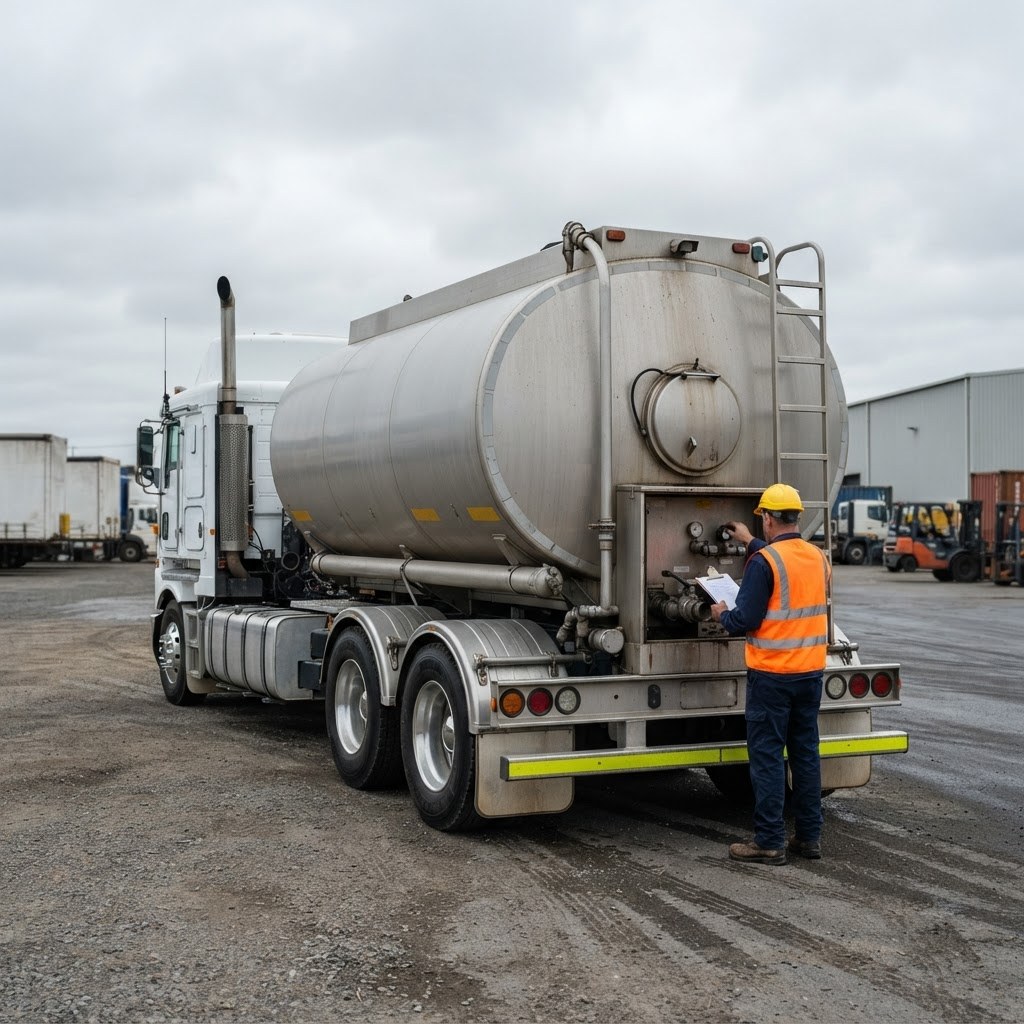
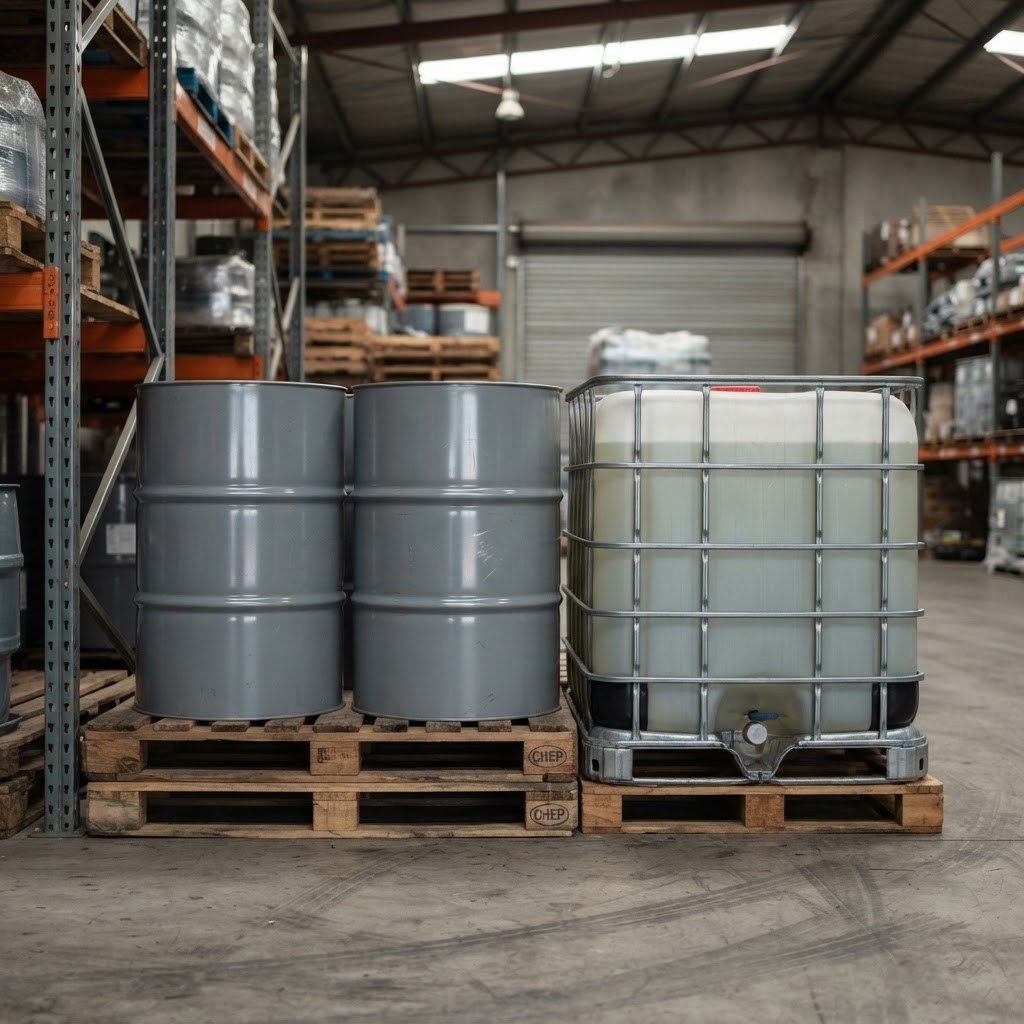
Class 6 dangerous goods in NSW: Division 6.1 toxic substances vs 6.2 infectious substances, placard thresholds, bulk licence rules and segregation.Read More
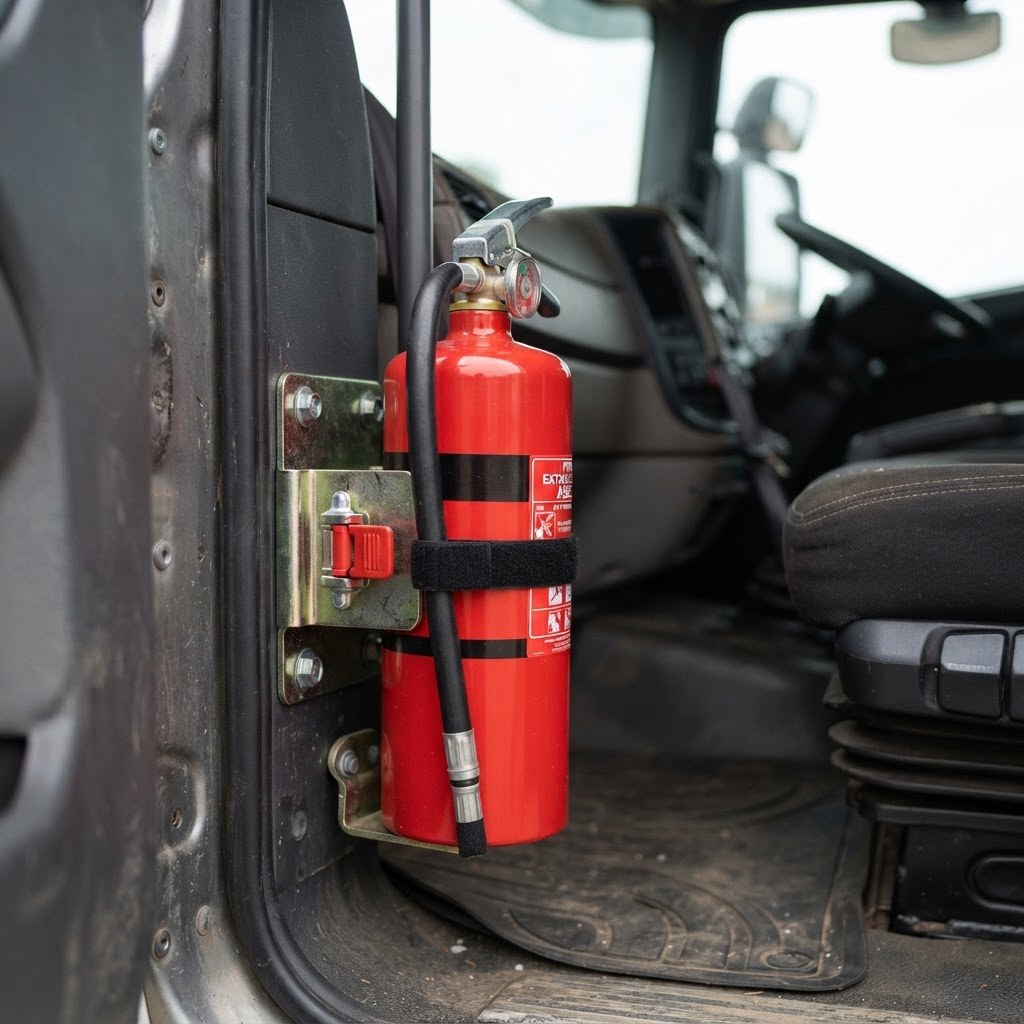
Every placard vehicle transporting dangerous goods in NSW must carry specific emergency equipment under ADG Code Chapter 8. This complete checklist covers fire extinguishers, spill kits, PPE, EIP panels, placards, written emergency procedures, wheel chocks and more — with what to check before every trip.Read More
Complete guide to Class 2 dangerous goods gas transport in NSW: DG licence requirements, vehicle marking, cylinder securing, emergency response, tunnel restrictions and documentation. Kells Safety Centre RTO 91528.Read More
Complete guide to dangerous goods training requirements in NSW: who needs training, what courses are legally required, when to complete them, and how to stay compliant with the ADG Code, NSW EPA, NHVR, and Safe Work NSW.Read More
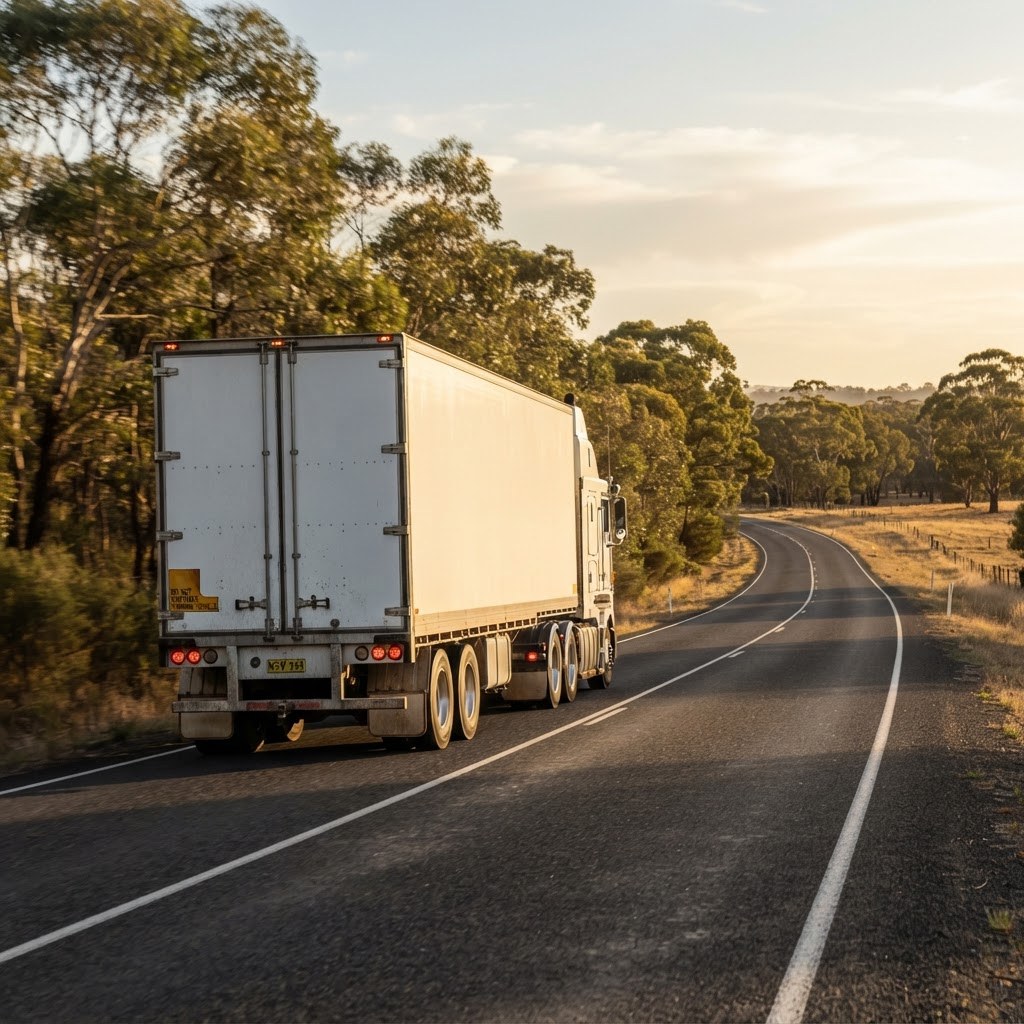
Complete guide to dangerous goods vehicle marking requirements in NSW: class labels, hazchem placards, EIP panels, positioning, placard quantity thresholds, penalties, and who is responsible. Kells Safety Centre RTO 91528.Read More
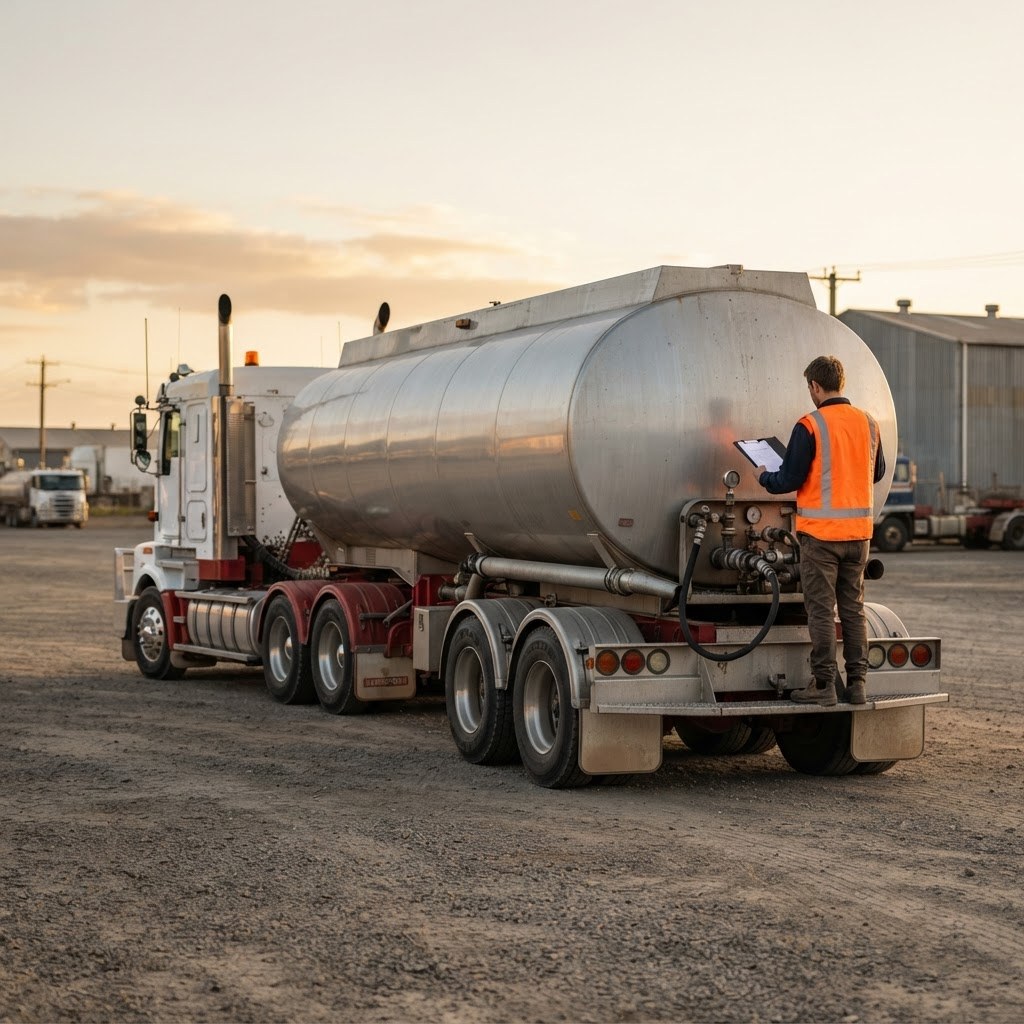
Class 8 corrosive substances (acids, alkalis, battery fluids) transport rules for NSW: ADG Code packing groups, placard and DG licence requirements, segregation and emergency equipment. Kells Safety Centre RTO 91528.Read More
Complete guide to online dangerous goods awareness training in NSW. Cost $196, duration 2-3 hours, self-paced. Covers ADG Code, hazard identification, storage and handling. RTO 91528.Read More
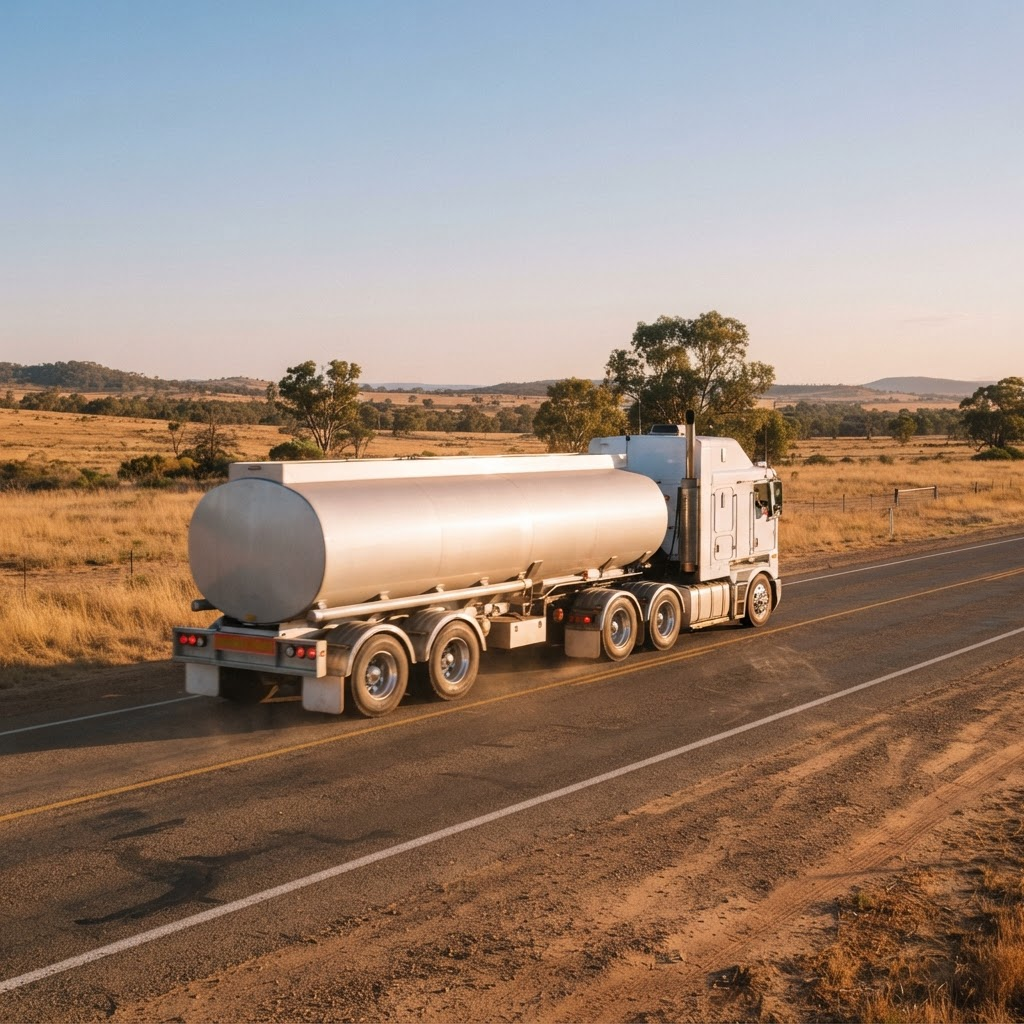
Class 3 dangerous goods are flammable liquids — petrol, solvents, paints, kerosene. NSW drivers need a DG licence (TLILIC0001) for bulk transport or placard loads. Learn the classification, placard thresholds, segregation rules, and emergency equipment requirements under the ADG Code.Read More
Compare metal, self-adhesive, and interchangeable Emergency Information Panel (EIP) types for NSW dangerous goods vehicles. ADG Code compliance, durability, cost and best use cases. RTO 91528.Read More