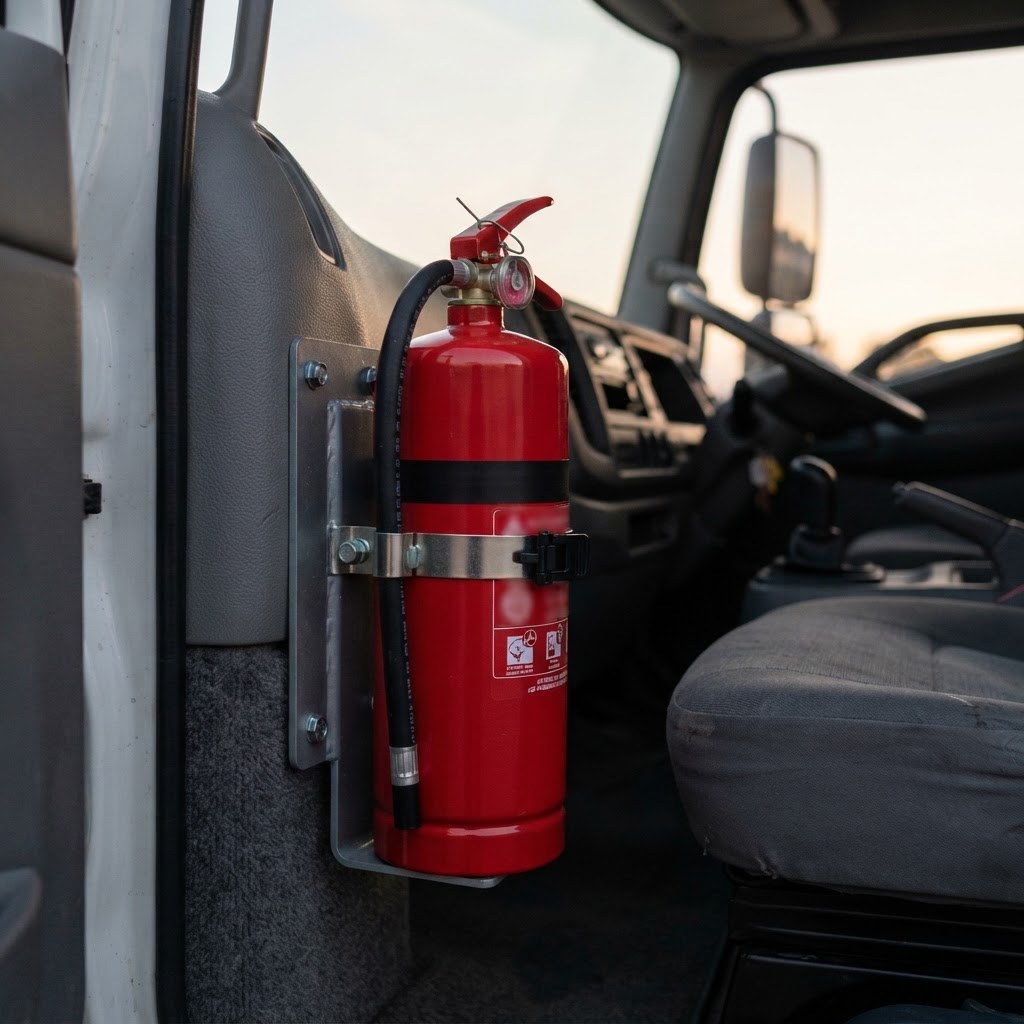
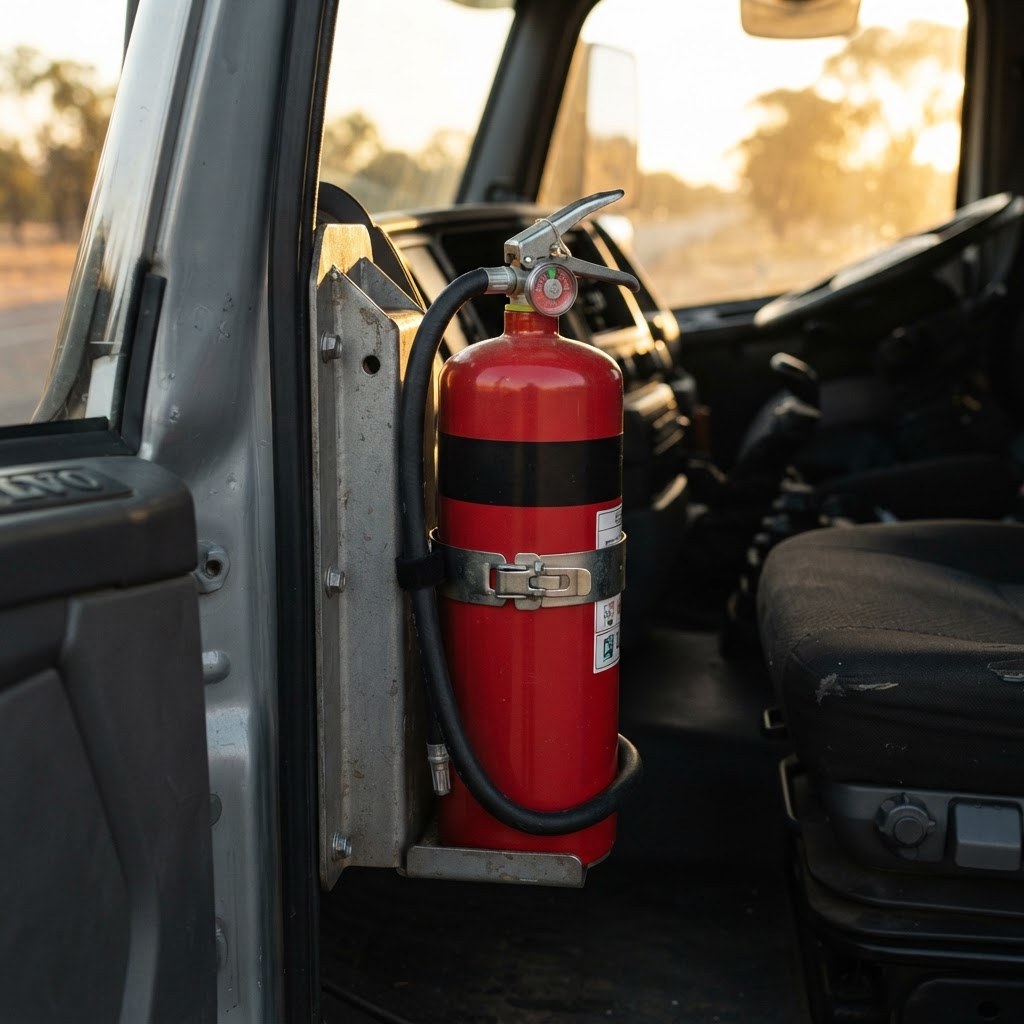
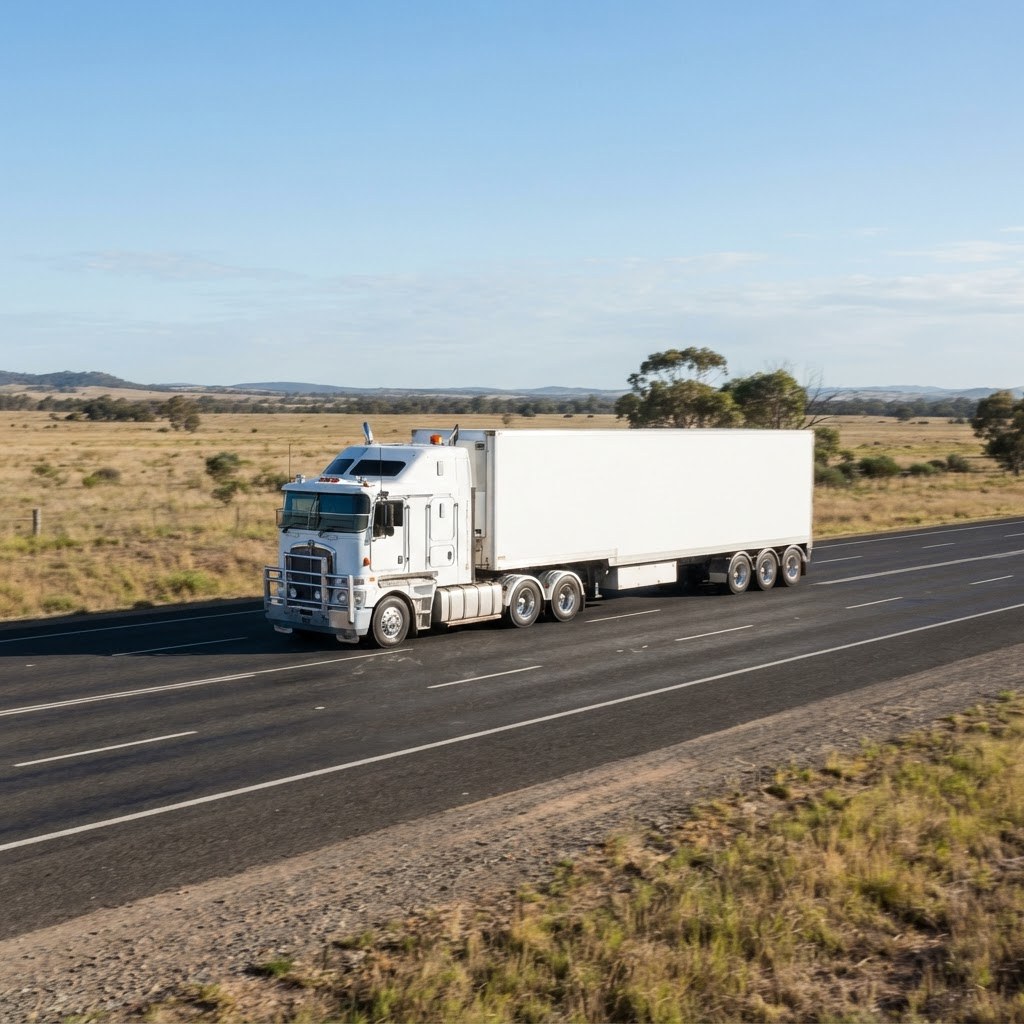
Complete guide to ADG Code fire extinguisher B-rating requirements for dangerous goods vehicles in NSW. Covers 10B, 30B, 60B, 80B ratings, Table 12.1 requirements, mounting rules and maintenance.Read More
Confused about DG shipping certification? Learn what NSW road transport businesses actually need — TLILIC0001, EPA licence & ADG Code explained.Read More
A properly filled dangerous goods consignment note is essential for NSW compliance, safety, and legal protection. Every required field, common mistakes, and ADG Code requirements.Read More
ADG Code Edition 7.9 is the current version governing dangerous goods transport in NSW. Here is what changed from 7.8, who needs a copy, and where to buy it. RTO 91528.Read More
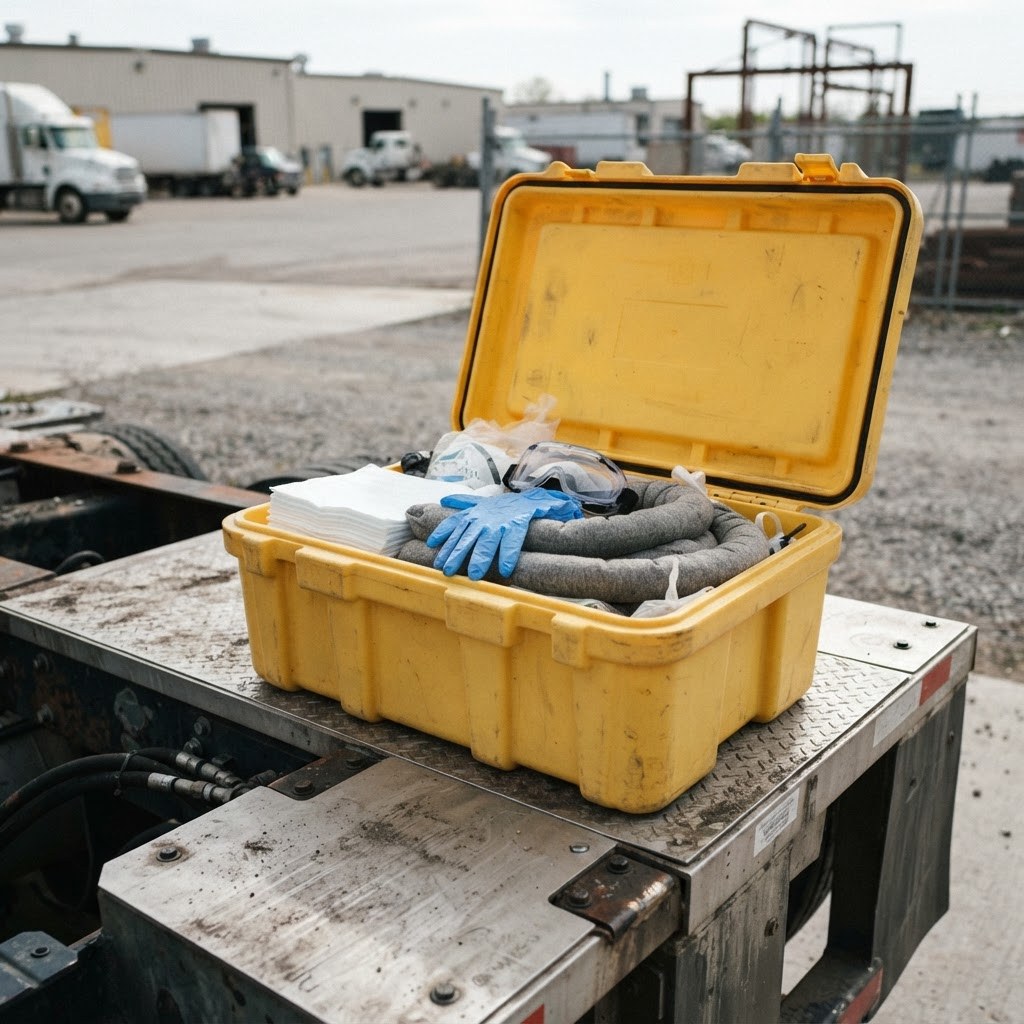
A dangerous goods spill on a NSW road is a Chain of Responsibility event. Here is what spill kit the ADG Code requires, how to deploy it, and what your obligations are at the scene.Read More
The ADG Code mandates specific PPE for every dangerous goods driver in NSW. Here is the complete list of what you must carry based on your load class — and why it matters.Read More
Every dangerous goods vehicle must carry compliant fire extinguishers under the ADG Code. Here is which size is required for your vehicle and where to mount it.Read More
Sydney road tunnels apply strict dangerous goods restrictions under the ADG Code. Here is what DG drivers and schedulers need to know about tunnel categories, prohibited loads, and COR obligations.Read More
Your NSW dangerous goods licence is recognised in all Australian states under mutual recognition. Here is what DG drivers and fleet operators need to know about interstate transport compliance.Read More