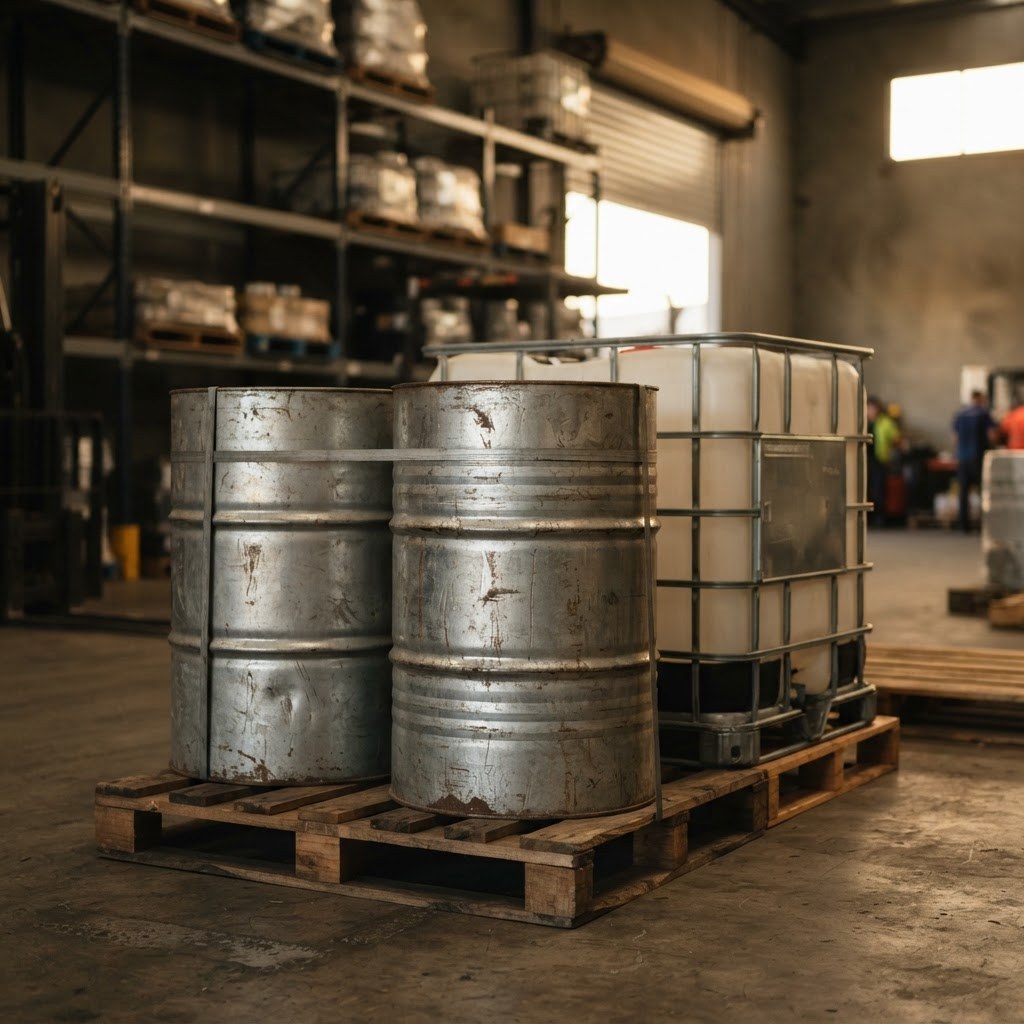
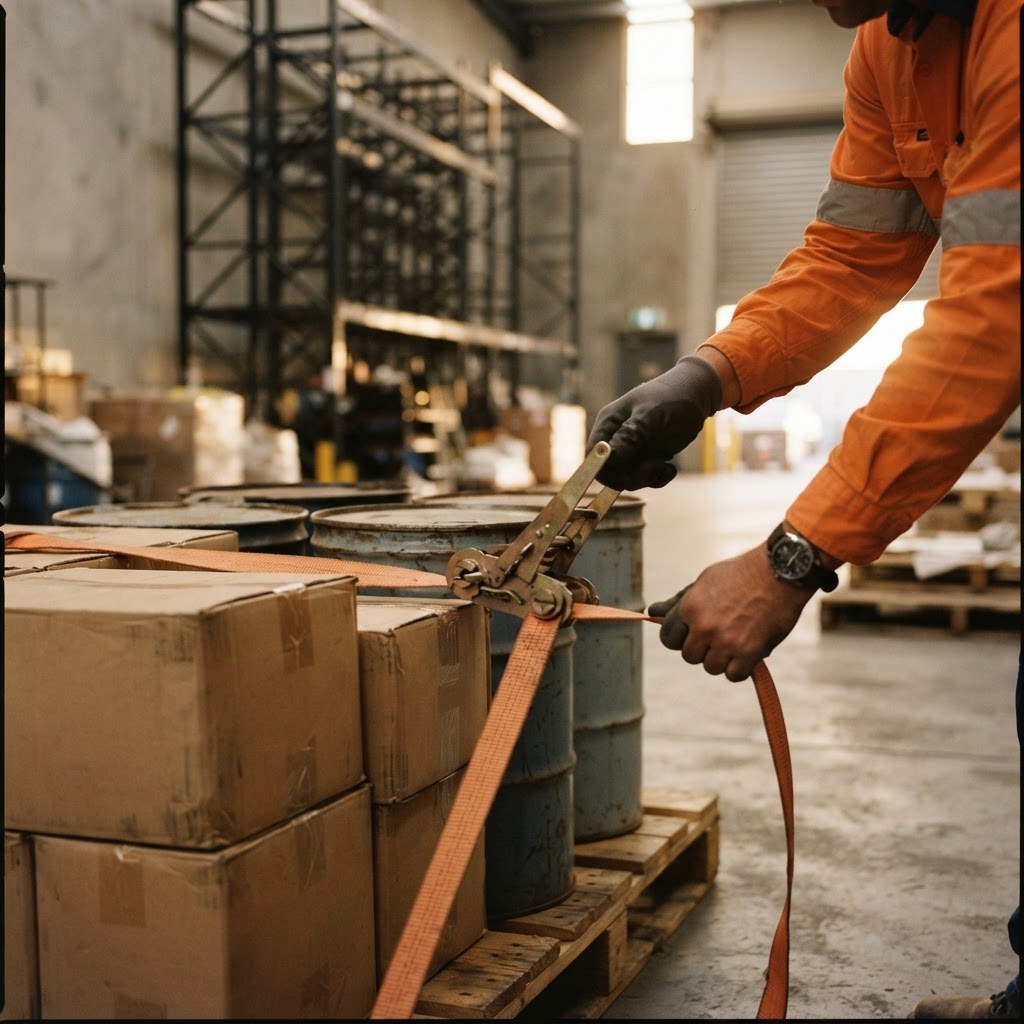
If you transport dangerous goods in NSW, segregation is not optional — it is a legal requirement under the ADG Code. Learn which classes cannot travel together and what inspectors check.Read More
Placardable quantities are the threshold at which dangerous goods transport triggers mandatory placarding, safety equipment and documentation requirements under the ADG Code. The driver licence is a separate test tied to bulk receptacles over 500 litres or 500 kilograms. This guide explains how they're calculated, what they mean for drivers and consignors, and what happens...Read More
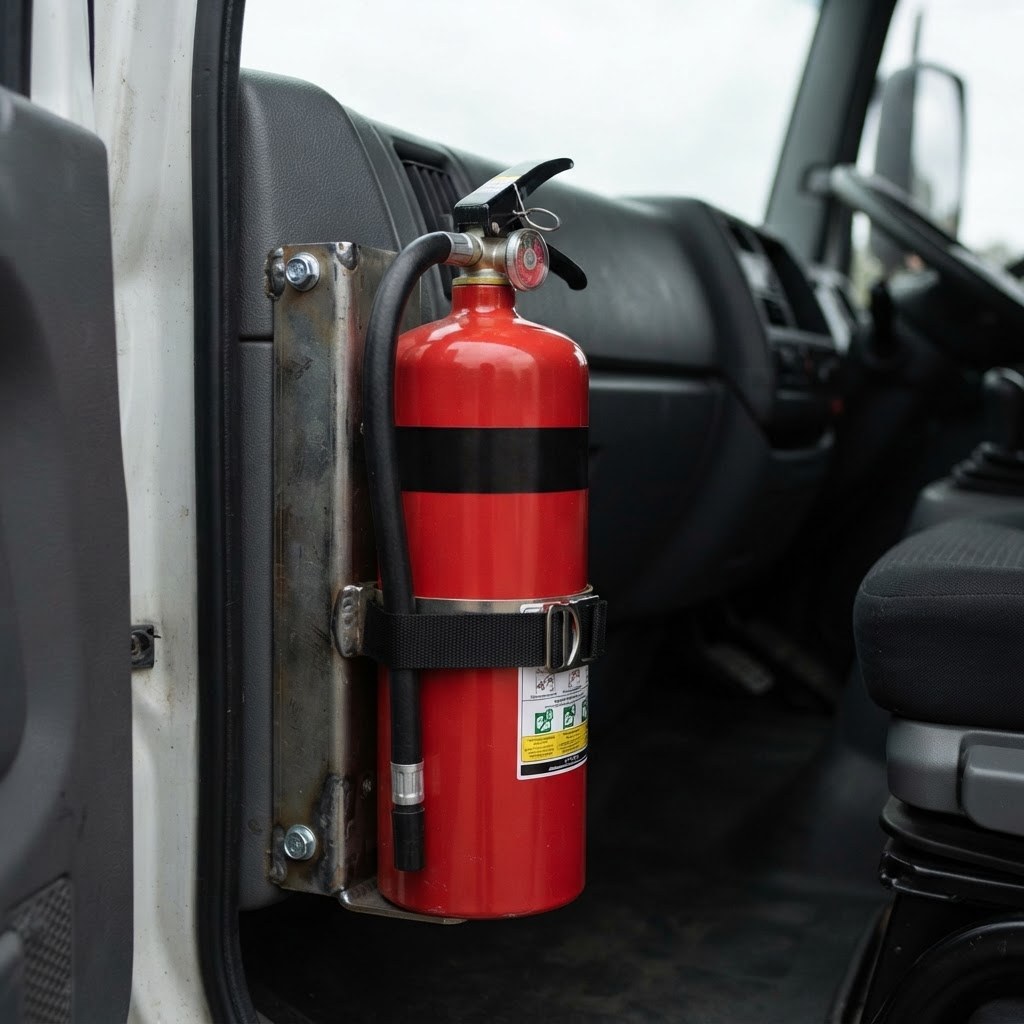
When dangerous goods are involved in a road incident, the first 10 minutes matter most. This guide covers what NSW DG drivers need to know about emergency response — legal obligations, the steps to take at an incident scene, and how your training prepares you for the unexpected.Read More
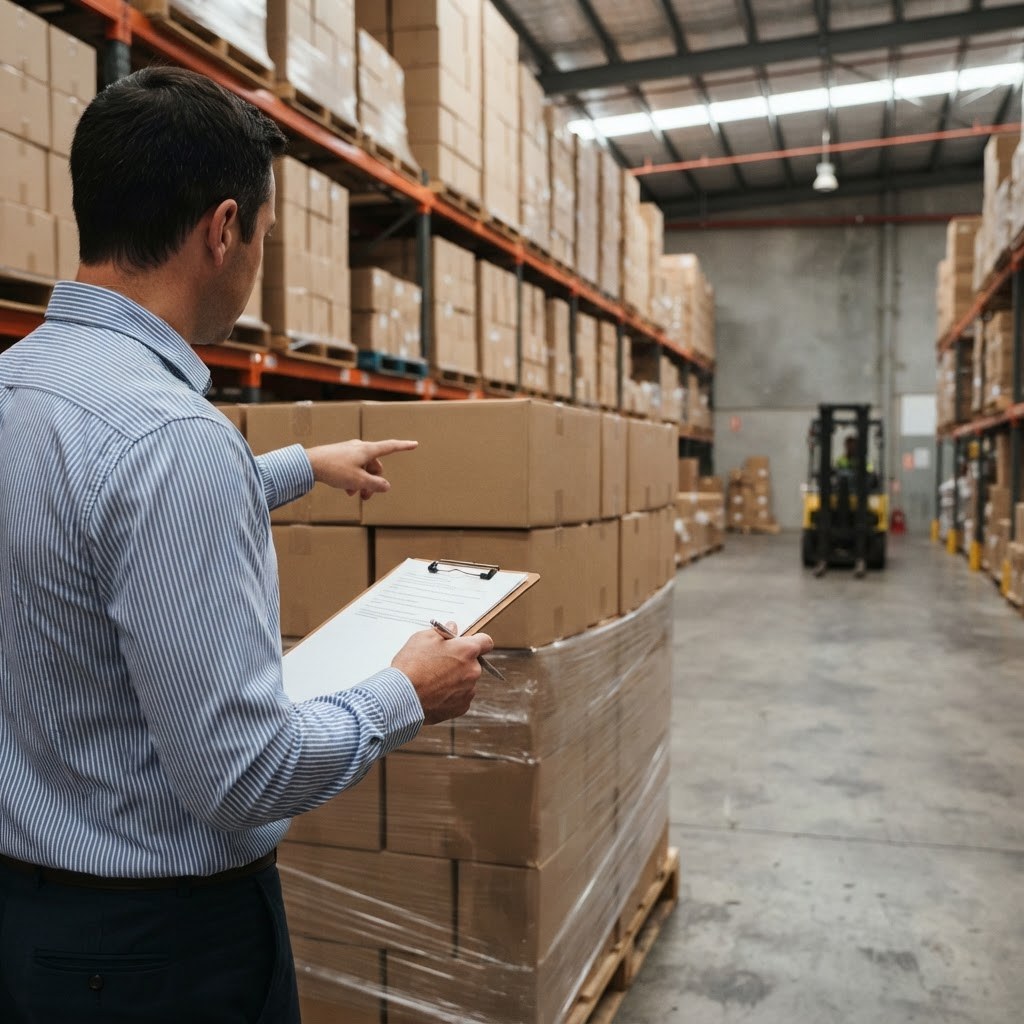
If you're a consignor, freight forwarder, or warehouse manager shipping dangerous goods by road in NSW, you are legally responsible for preparing that shipment to ADG Code standards. This guide covers classification, packaging, labelling, placarding, and documentation — step by step.Read More
A dangerous goods consignment note is one of the most important documents in the DG transport chain — and one of the most frequently misunderstood. This guide explains exactly what it must contain, who prepares it, and how to stay compliant under Chain of Responsibility law in NSW.Read More
Transporting dangerous goods in NSW isn't just about having the right licence — it's about running every job to a documented, repeatable standard. This compliance checklist covers the essential requirements for NSW businesses and drivers, from licences and placards to consignment notes and emergency procedures.Read More
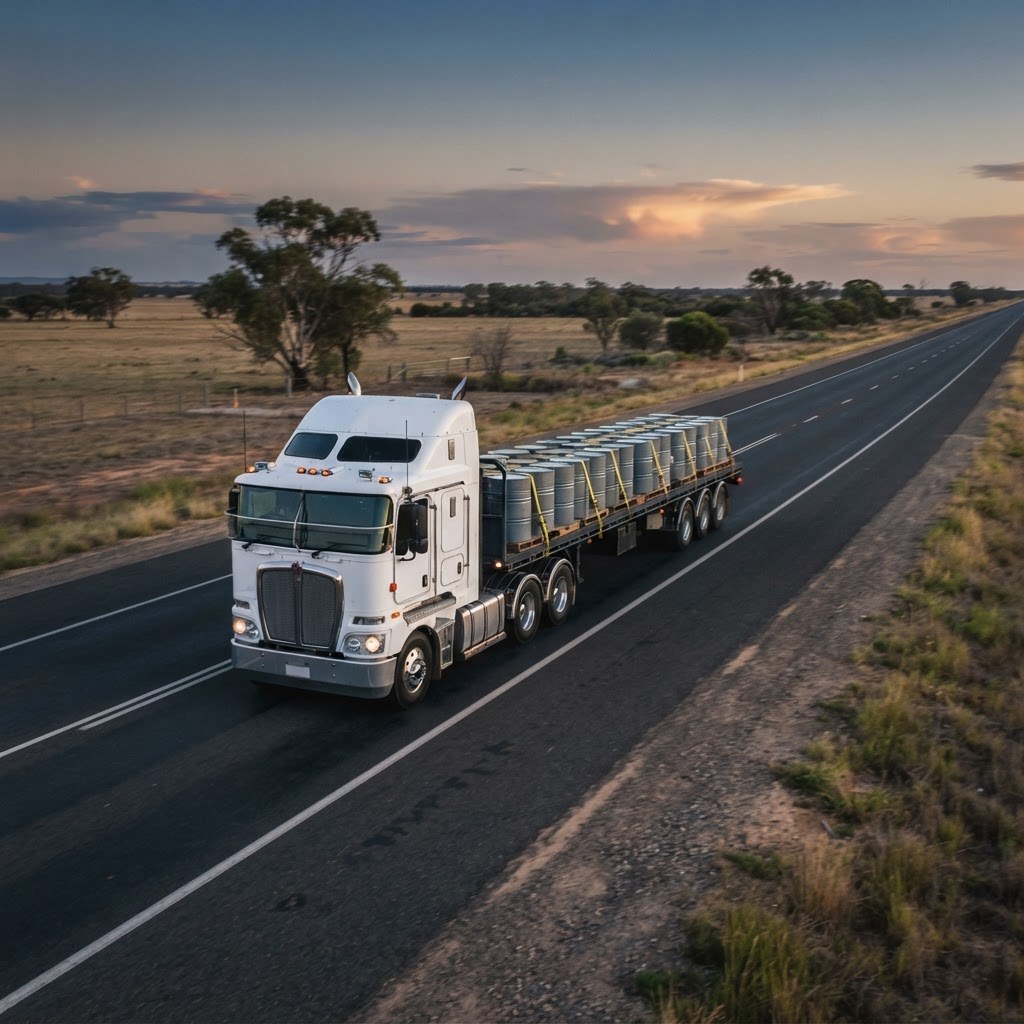
Every truck carrying dangerous goods on NSW roads must display the right placards. Get this wrong and you're not just risking a fine — you're putting other road users at risk and exposing your business…Read More
If you transport, store or handle dangerous goods in Australia, the Australian Dangerous Goods Code (ADG Code) is the rulebook. It defines what counts as dangerous goods, how they must be classified, packaged, labelled and…Read More
If you transport goods by road in NSW, you need to know whether your load requires a Dangerous Goods Driver Licence. Get it wrong and you're not just risking a fine — you're operating illegally…Read More