ADG Code Edition 7.9 is the current version governing dangerous goods transport in NSW. Here is what changed from 7.8, who needs a copy, and where to buy it. RTO 91528.Read More
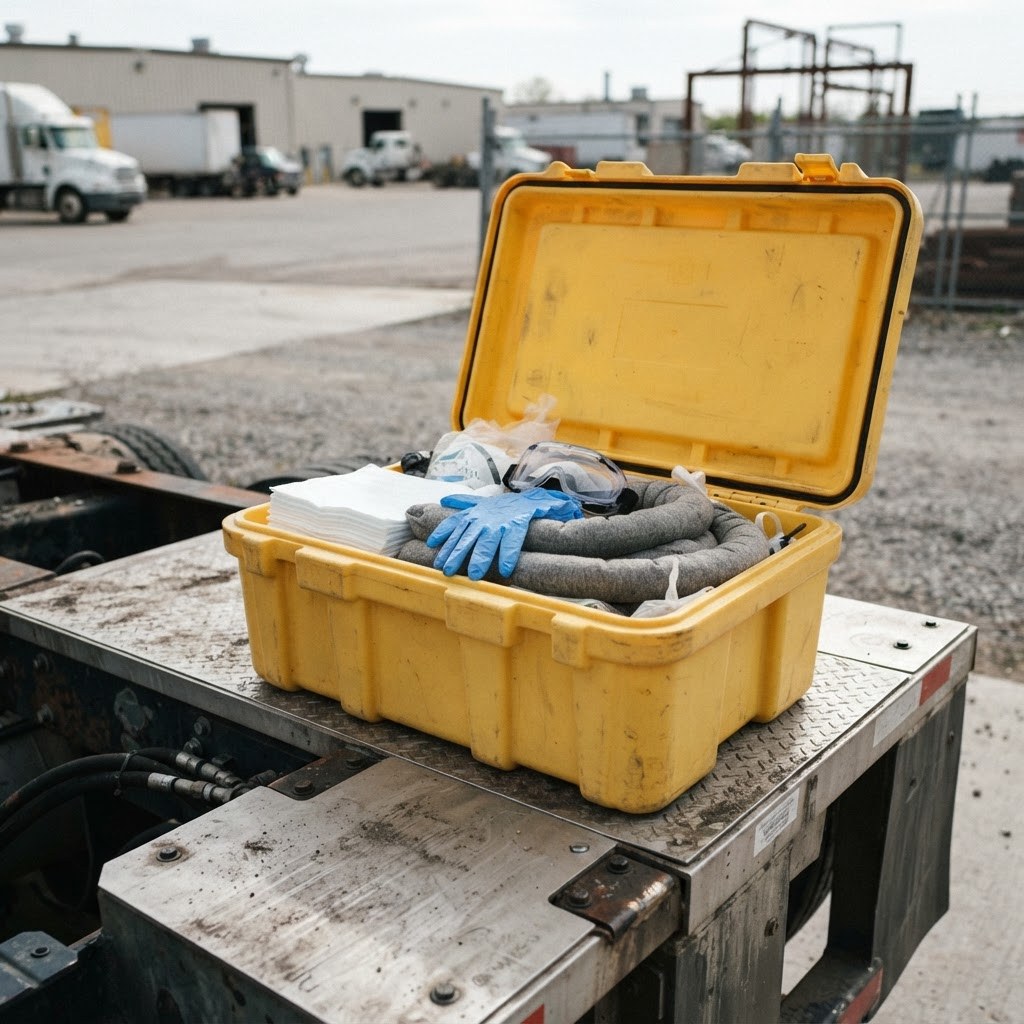
A dangerous goods spill on a NSW road is a Chain of Responsibility event. Here is what spill kit the ADG Code requires, how to deploy it, and what your obligations are at the scene.Read More
The ADG Code mandates specific PPE for every dangerous goods driver in NSW. Here is the complete list of what you must carry based on your load class — and why it matters.Read More
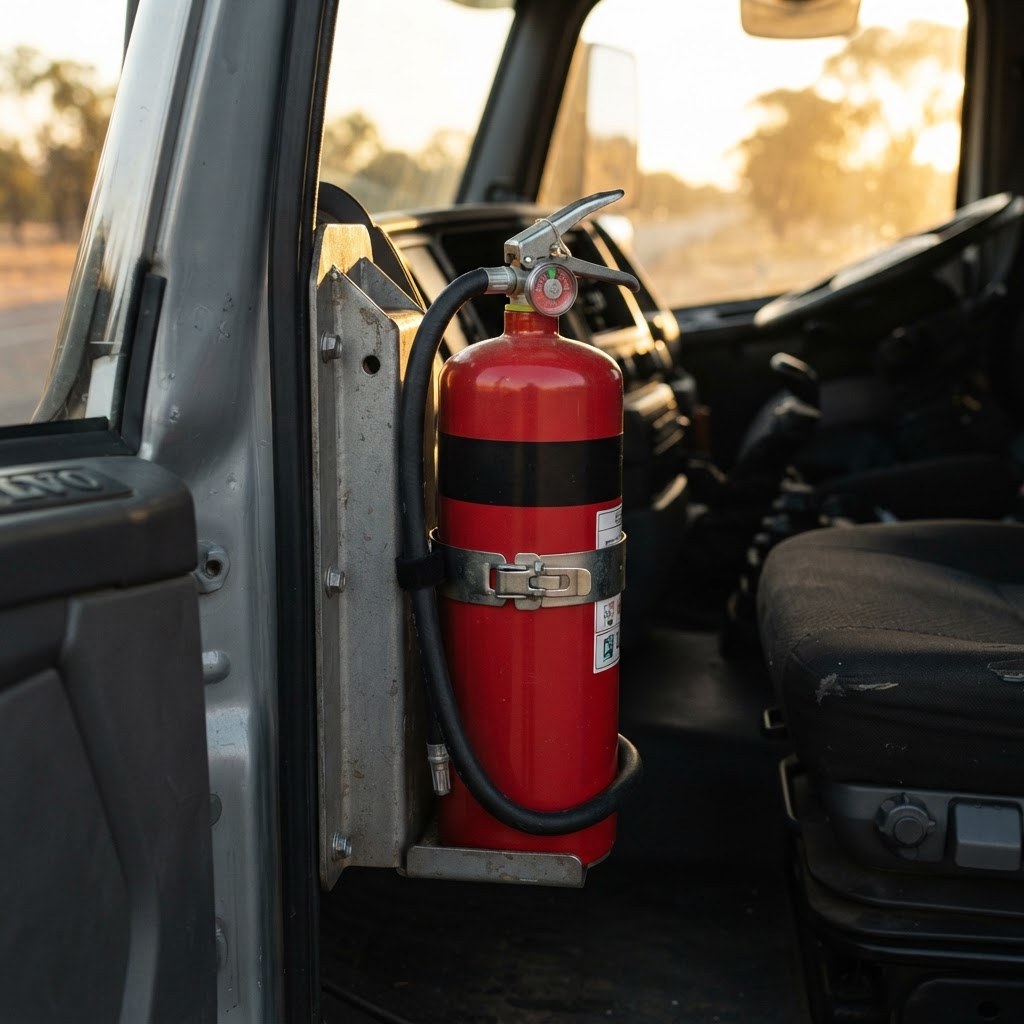
Every dangerous goods vehicle must carry compliant fire extinguishers under the ADG Code. Here is which size is required for your vehicle and where to mount it.Read More
Sydney road tunnels apply strict dangerous goods restrictions under the ADG Code. Here is what DG drivers and schedulers need to know about tunnel categories, prohibited loads, and COR obligations.Read More
Your NSW dangerous goods licence is recognised in all Australian states under mutual recognition. Here is what DG drivers and fleet operators need to know about interstate transport compliance.Read More
The Safe Load Program (SLP) sets the standard for how freight must be loaded and restrained on heavy vehicles in NSW. This guide explains what the program covers, who needs an SLP licence card, how to get trained, and what the Load Restraint Guide requires of drivers and operators.Read More
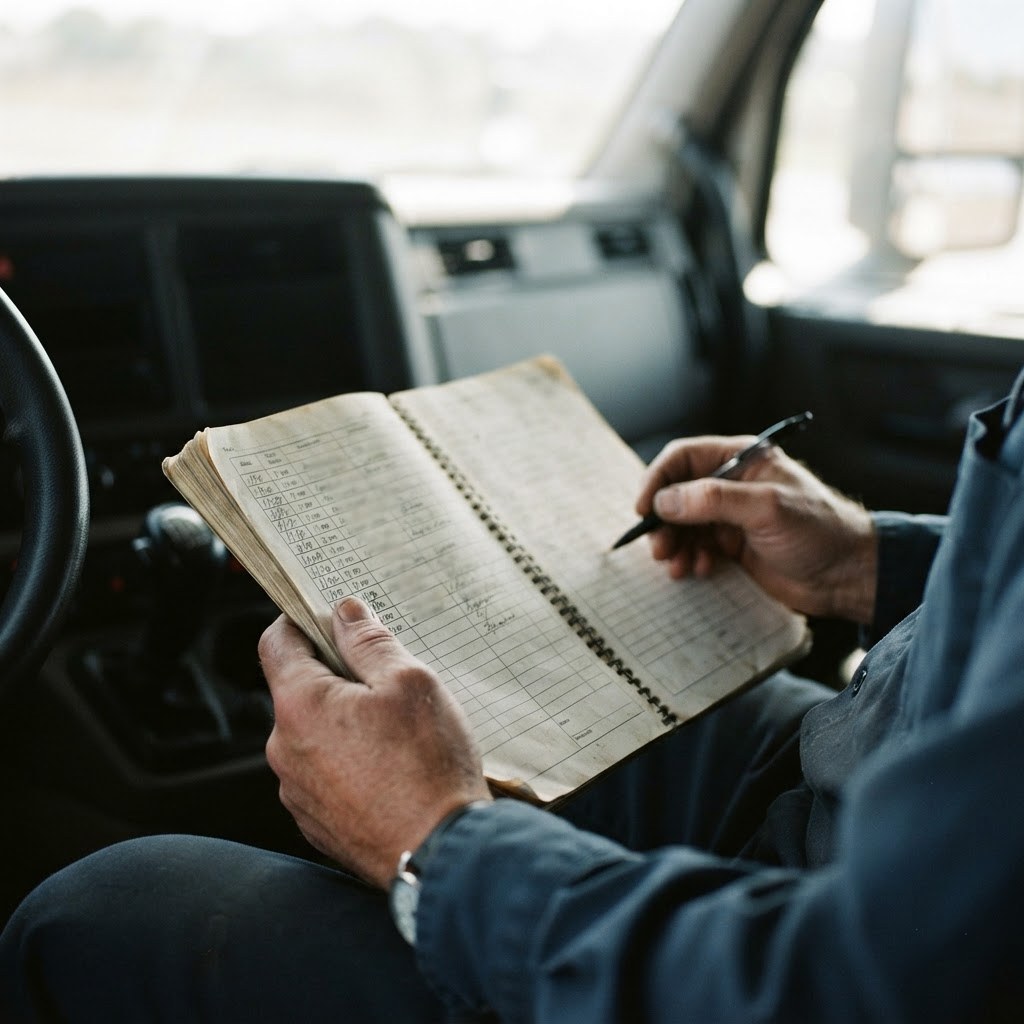
Heavy vehicle operators in NSW face some of the most detailed fatigue rules in the country. This guide explains the NHVR's work and rest hour requirements for operators, what recordkeeping is required, and how to avoid the penalties that catch even experienced fleet managers out.Read More