Confused about DG shipping certification? Learn what NSW road transport businesses actually need — TLILIC0001, EPA licence & ADG Code explained.Read More
Step-by-step guide to becoming a dangerous goods driver in NSW. Heavy vehicle licence, TLILIC0001, EPA application. Timeline from start to legal DG driving.Read More
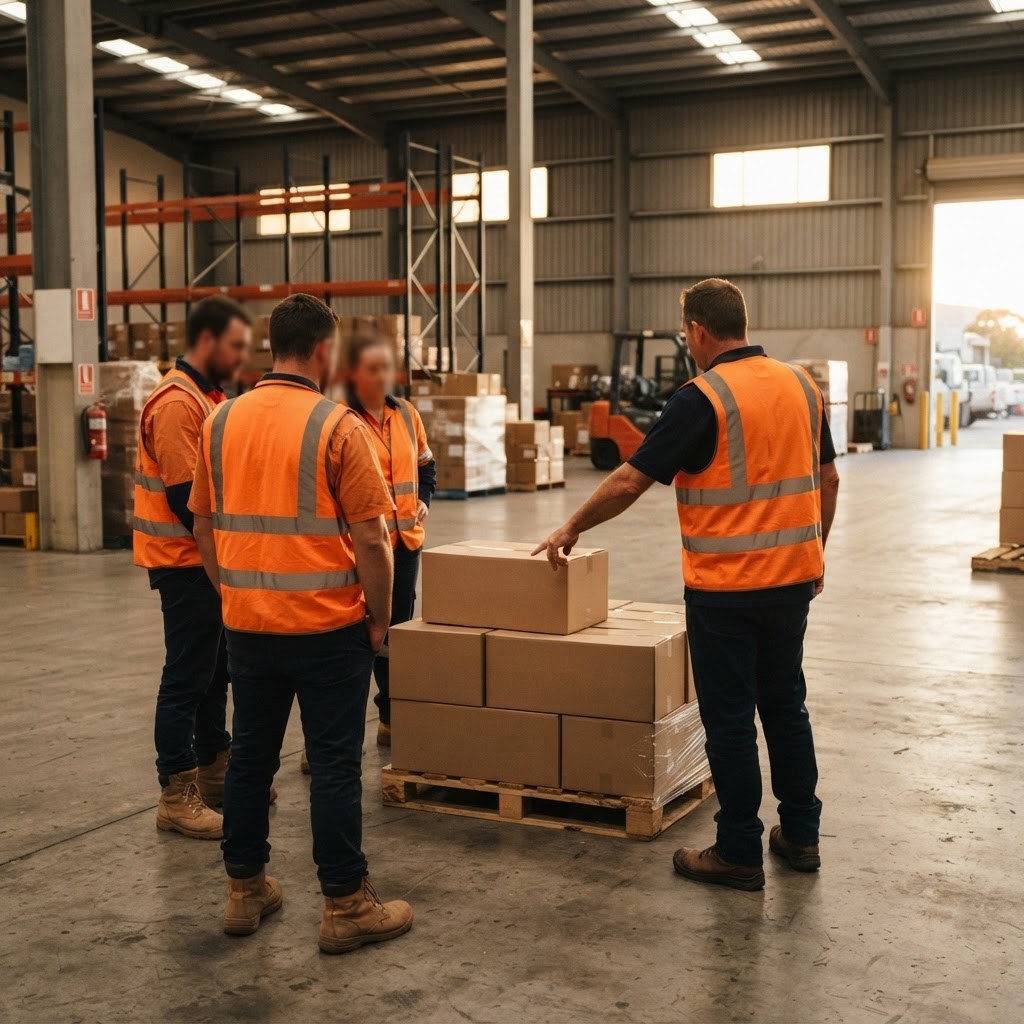
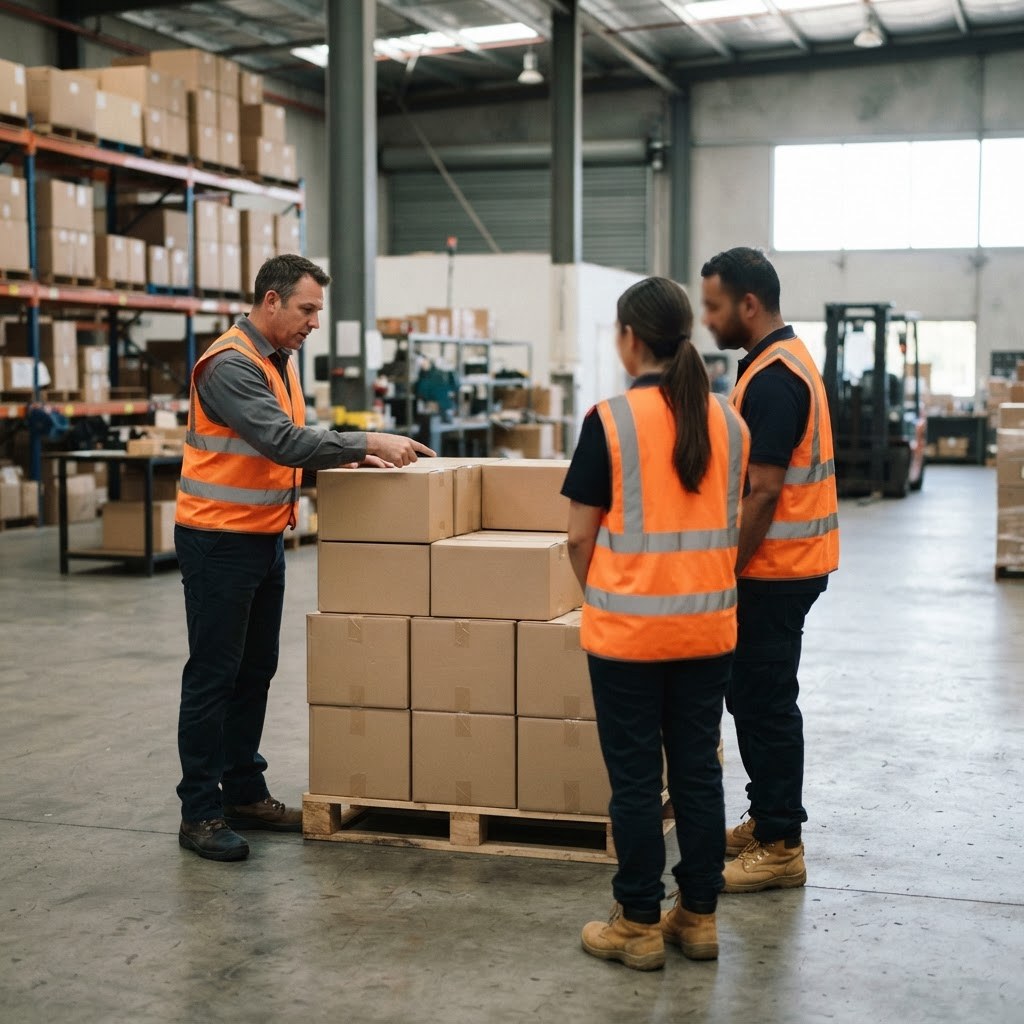
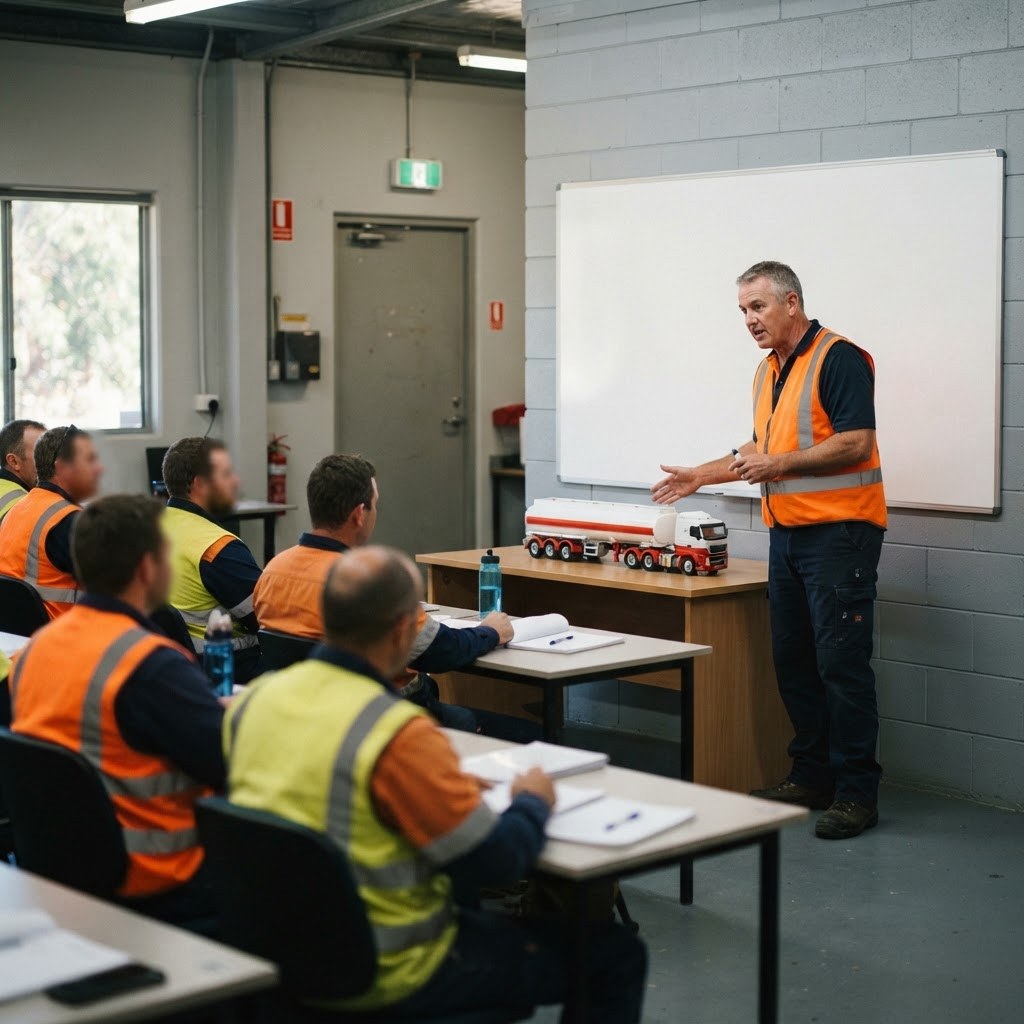
Need to get your whole fleet DG licenced in NSW? Kells Safety Centre offers group dangerous goods training — one session, entire team compliant.Read More
Online versus face-to-face DG training in NSW: compare assessment, total cost, support and pass preparation before choosing a TLILIC0001 provider.Read More
Before you can apply for a Dangerous Goods Driver Licence in NSW, you need a medical fitness certificate from a GP. Here is what the assessment involves and how to prepare.Read More
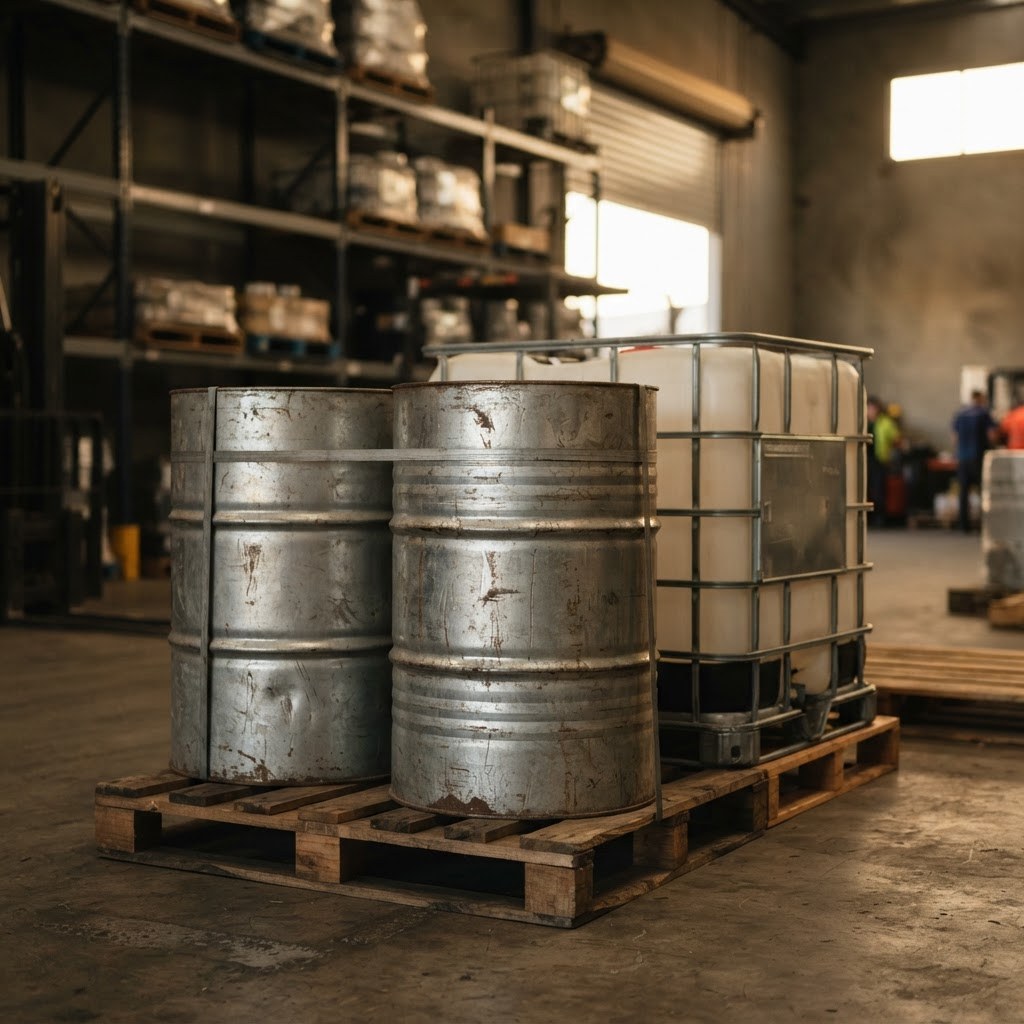
If you transport dangerous goods in NSW, segregation is not optional — it is a legal requirement under the ADG Code. Learn which classes cannot travel together and what inspectors check.Read More
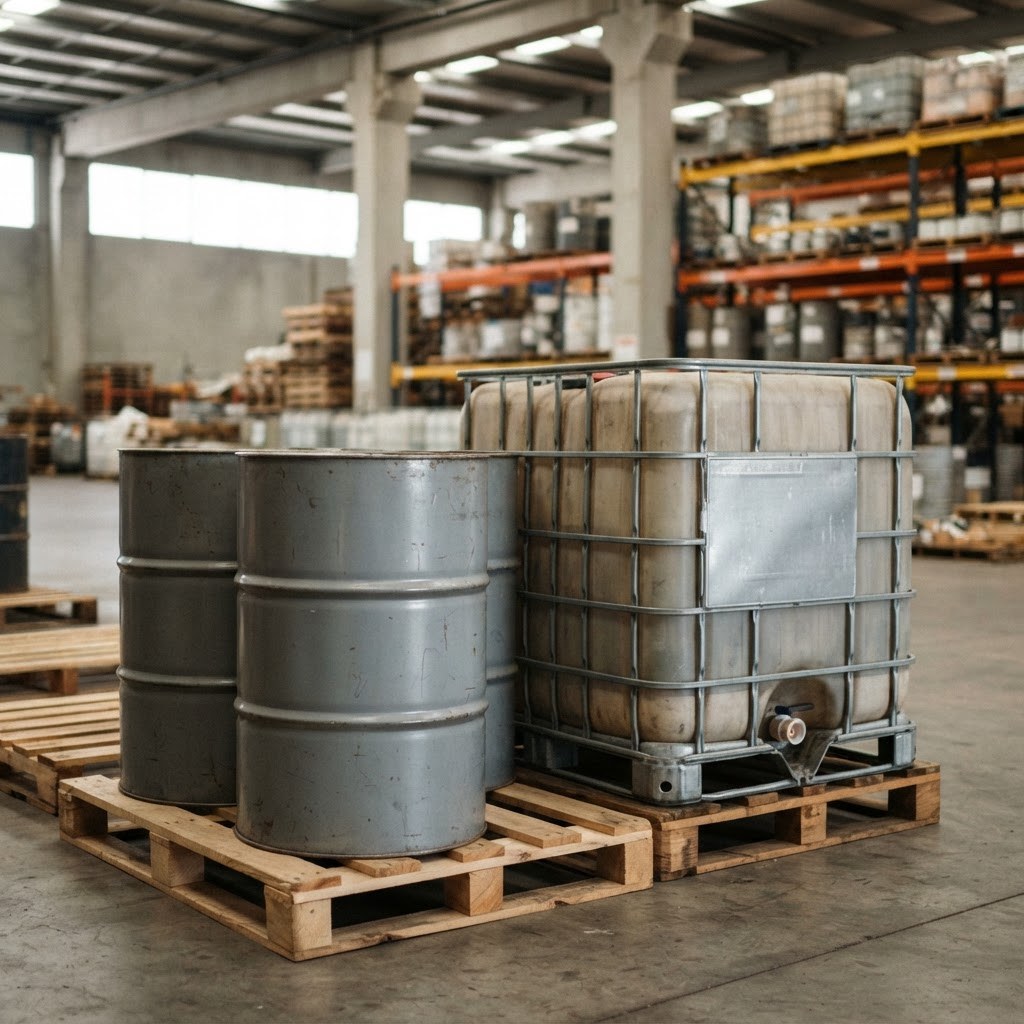
Placardable quantities are the threshold at which dangerous goods transport triggers mandatory placarding, safety equipment and documentation requirements under the ADG Code. The driver licence is a separate test tied to bulk receptacles over 500 litres or 500 kilograms. This guide explains how they're calculated, what they mean for drivers and consignors, and what happens...Read More
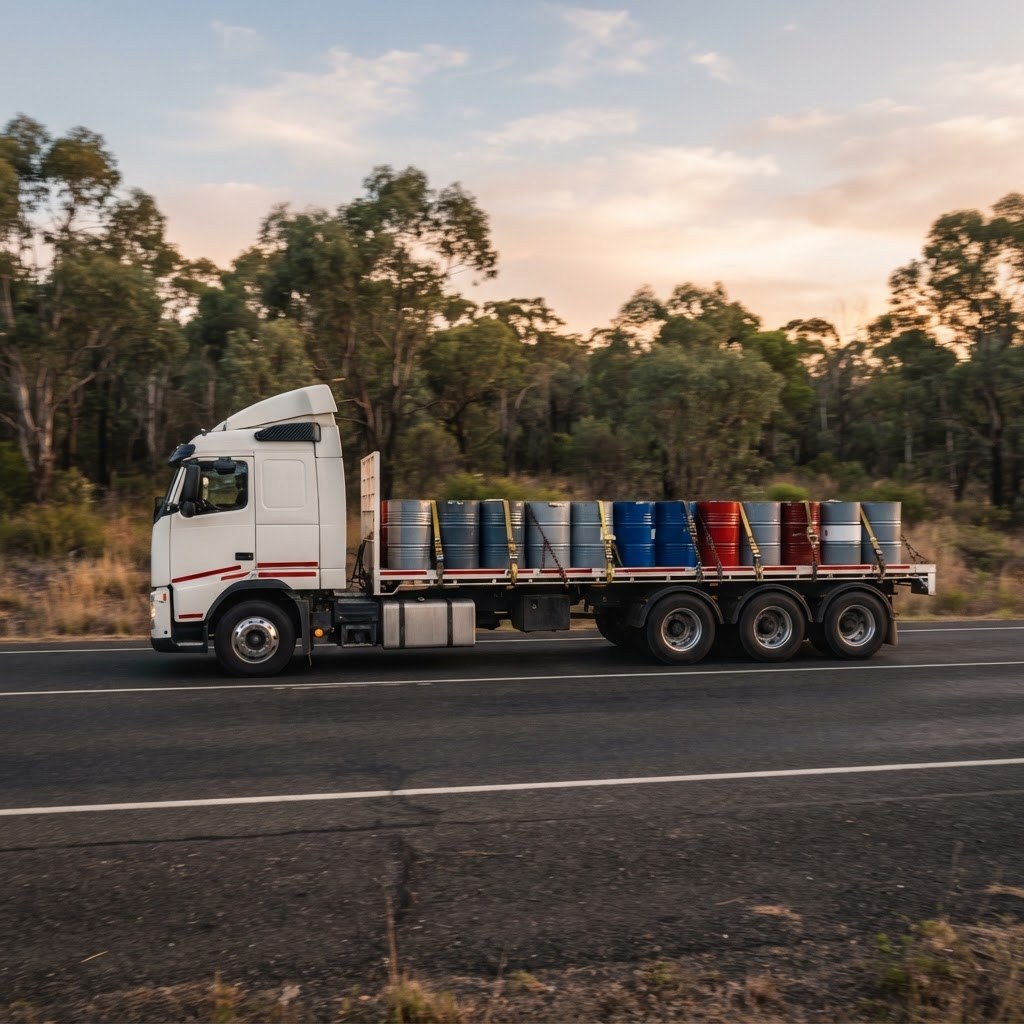
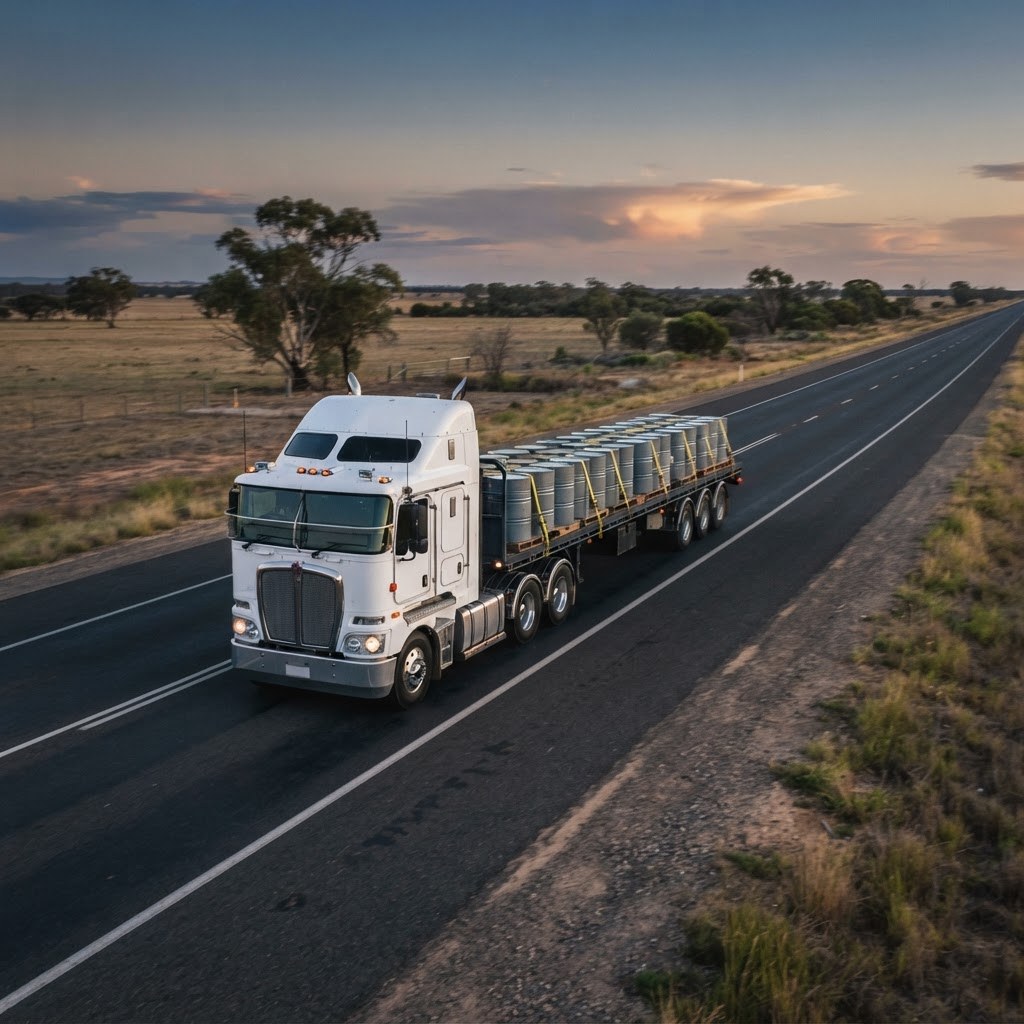
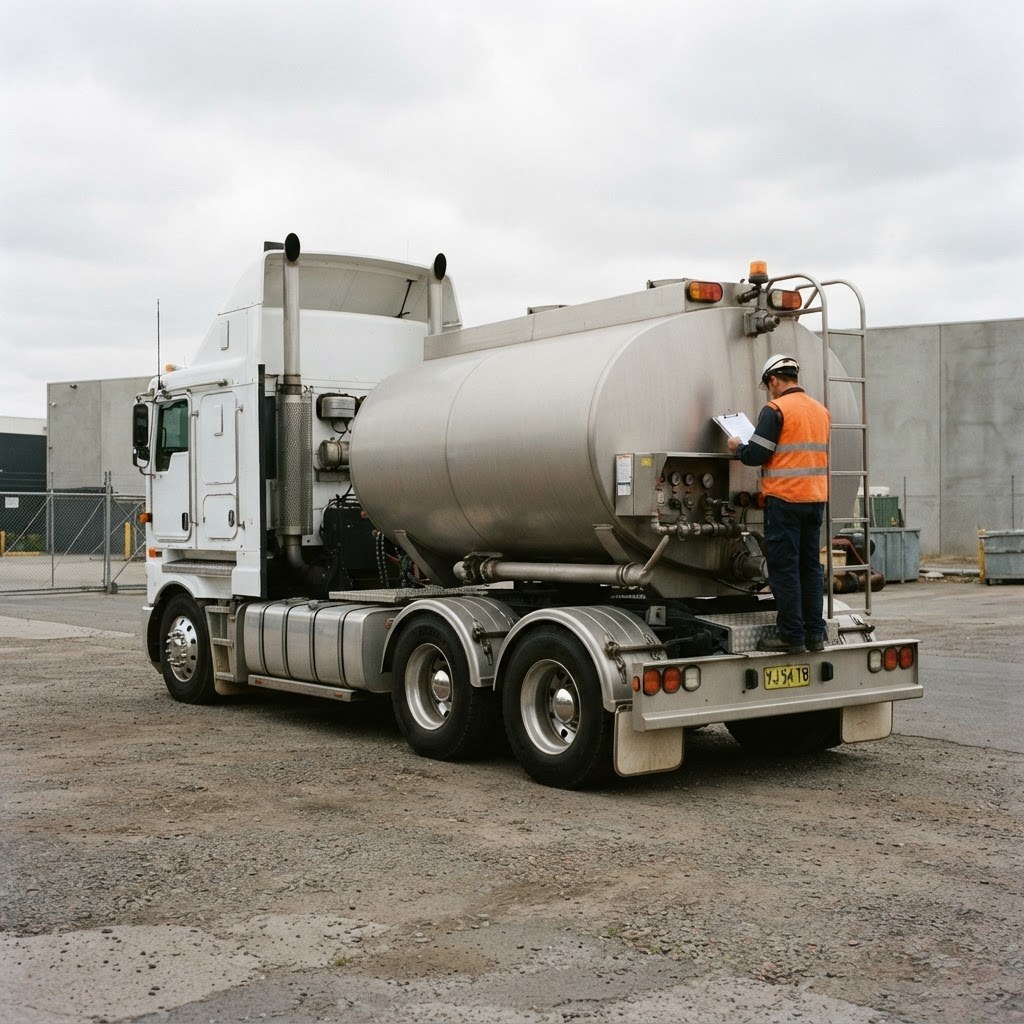
Fuel tanker drivers in NSW transport Class 3 flammable liquids in bulk — which puts them firmly in the placardable category under the ADG Code. This guide explains whether you need a dangerous goods licence to drive a fuel tanker, what the course involves, and how to get compliant.Read More
A NSW dangerous goods licence (TLILIC0001) is a legal requirement for anyone transporting dangerous goods in bulk by road (receptacles over 500 litres or 500 kilograms). This guide breaks down exactly what it costs in 2026, what's included, how long it takes, and what to watch out for when comparing providers.Read More
Western Sydney is one of Australia's largest freight and logistics corridors -- and one of the highest concentrations of dangerous goods transport activity in NSW. If your drivers, warehouse workers, or logistics staff operate in…Read More