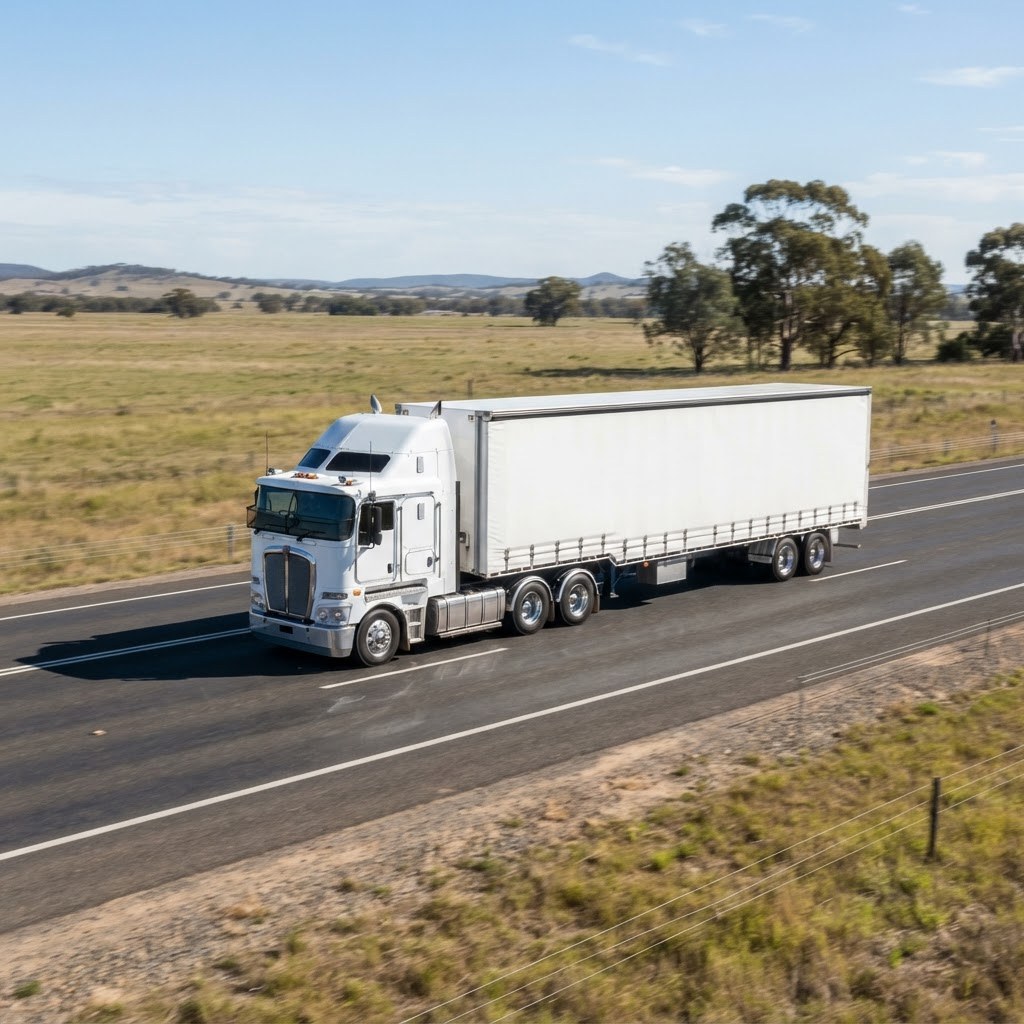
Complete guide to dangerous goods vehicle marking requirements in NSW: class labels, hazchem placards, EIP panels, positioning, placard quantity thresholds, penalties, and who is responsible. Kells Safety Centre RTO 91528.Read More
Compare metal, self-adhesive, and interchangeable Emergency Information Panel (EIP) types for NSW dangerous goods vehicles. ADG Code compliance, durability, cost and best use cases. RTO 91528.Read More
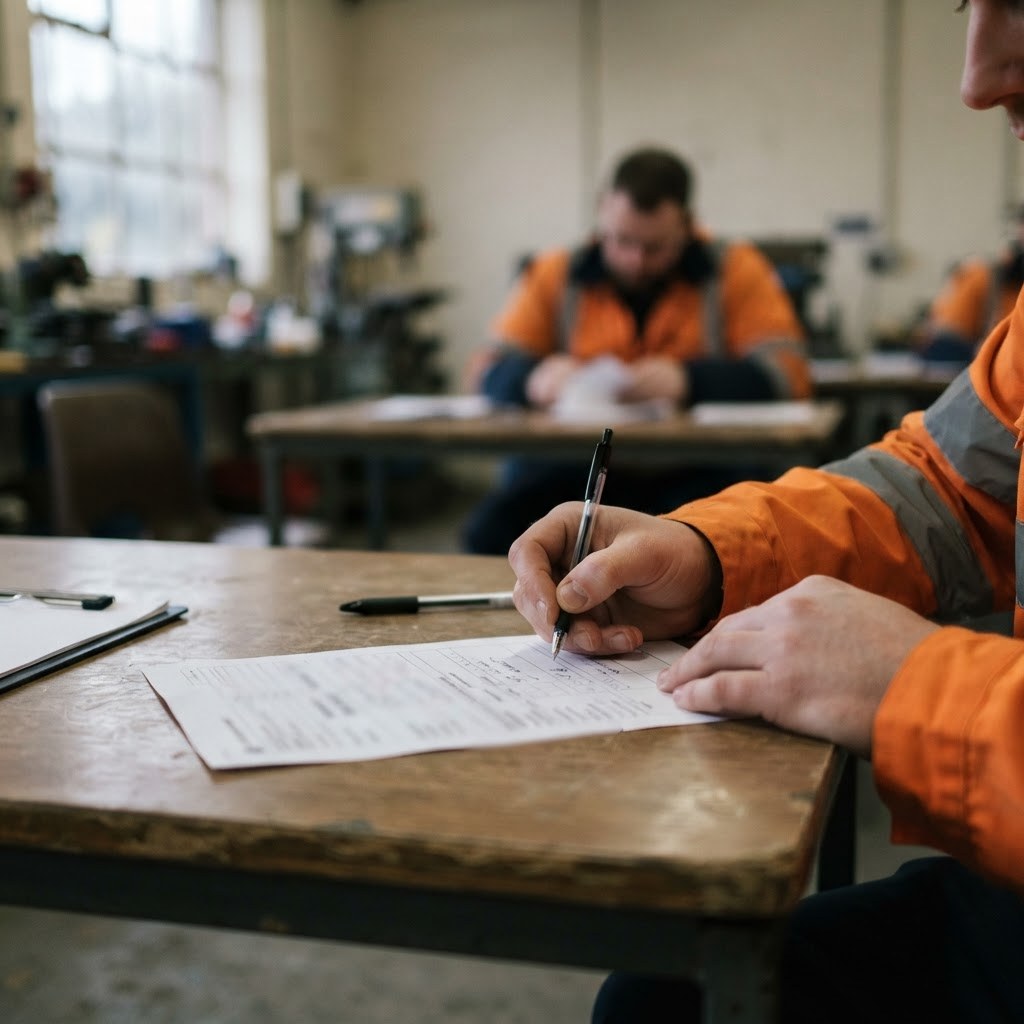
Dangerous goods licence costs in Australia range from $570-$900. NSW DG licence course at Kells Safety Centre is $618 including EPA processing. State-by-state comparison, hidden fees, what's included. RTO 91528 NSW.Read More
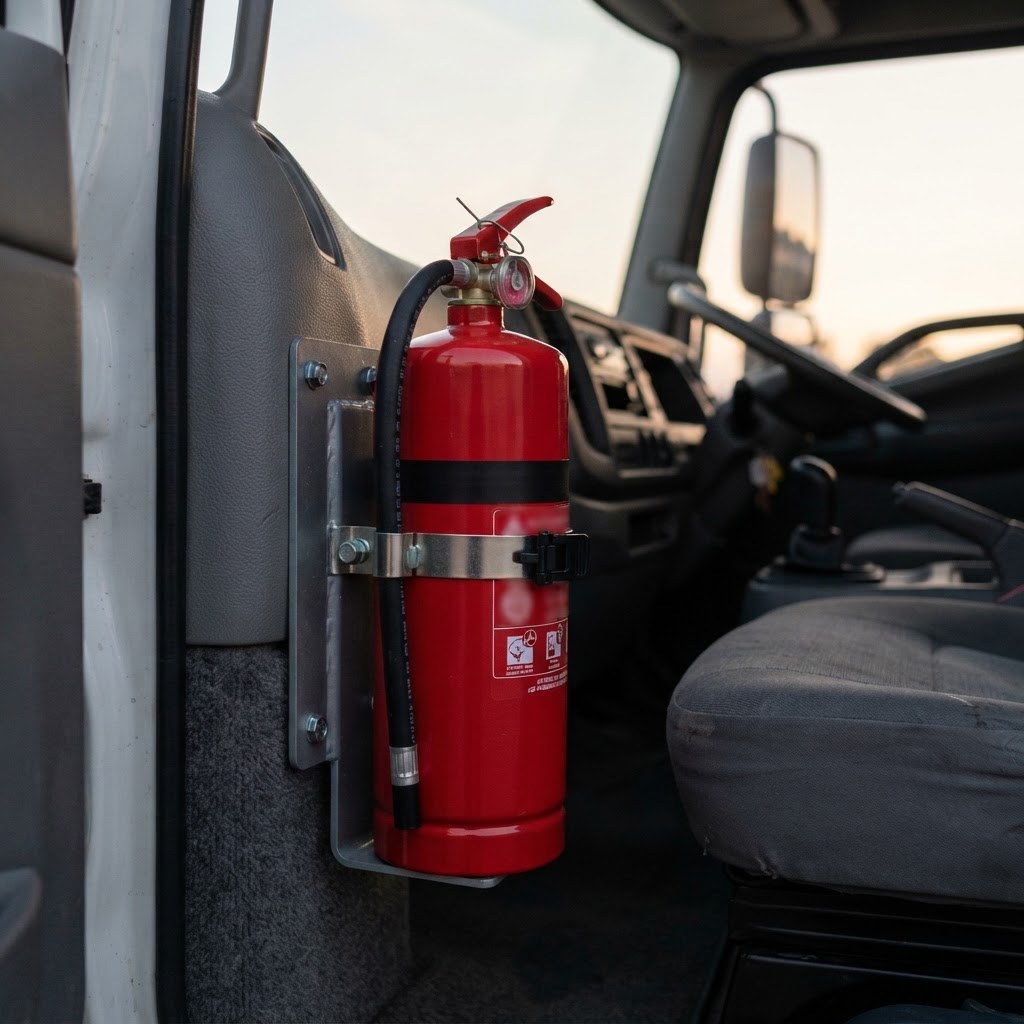
Complete guide to ADG Code fire extinguisher B-rating requirements for dangerous goods vehicles in NSW. Covers 10B, 30B, 60B, 80B ratings, Table 12.1 requirements, mounting rules and maintenance.Read More
Need to get your whole fleet DG licenced in NSW? Kells Safety Centre offers group dangerous goods training — one session, entire team compliant.Read More
Is your NSW business ready for a dangerous goods compliance audit? Find out what auditors check, common failures, and how to get your team audit-ready.Read More
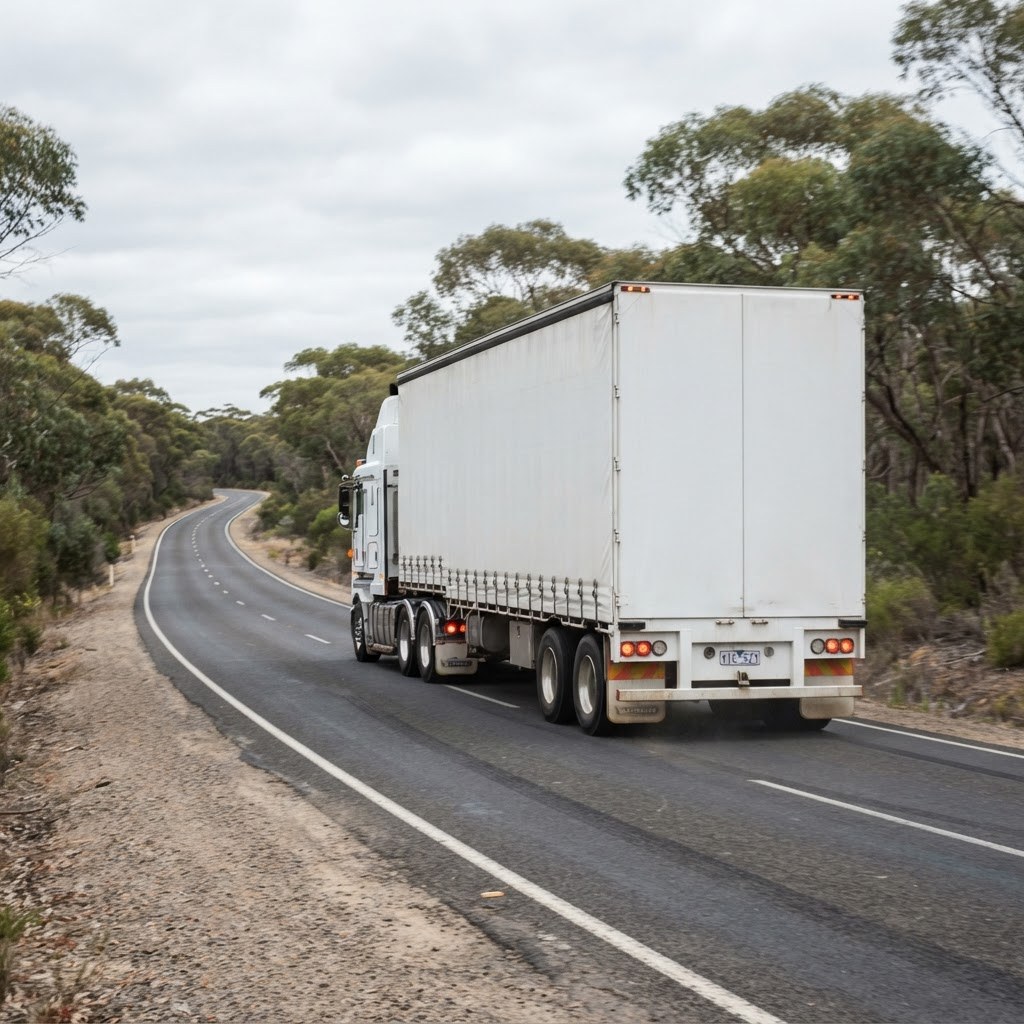
What must NSW dangerous goods drivers do if a spill occurs? Step-by-step emergency response, ADG Code obligations, and how to stay compliant under Chain of Responsibility.Read More
ADG Code Edition 7.9 is the current version governing dangerous goods transport in NSW. Here is what changed from 7.8, who needs a copy, and where to buy it. RTO 91528.Read More
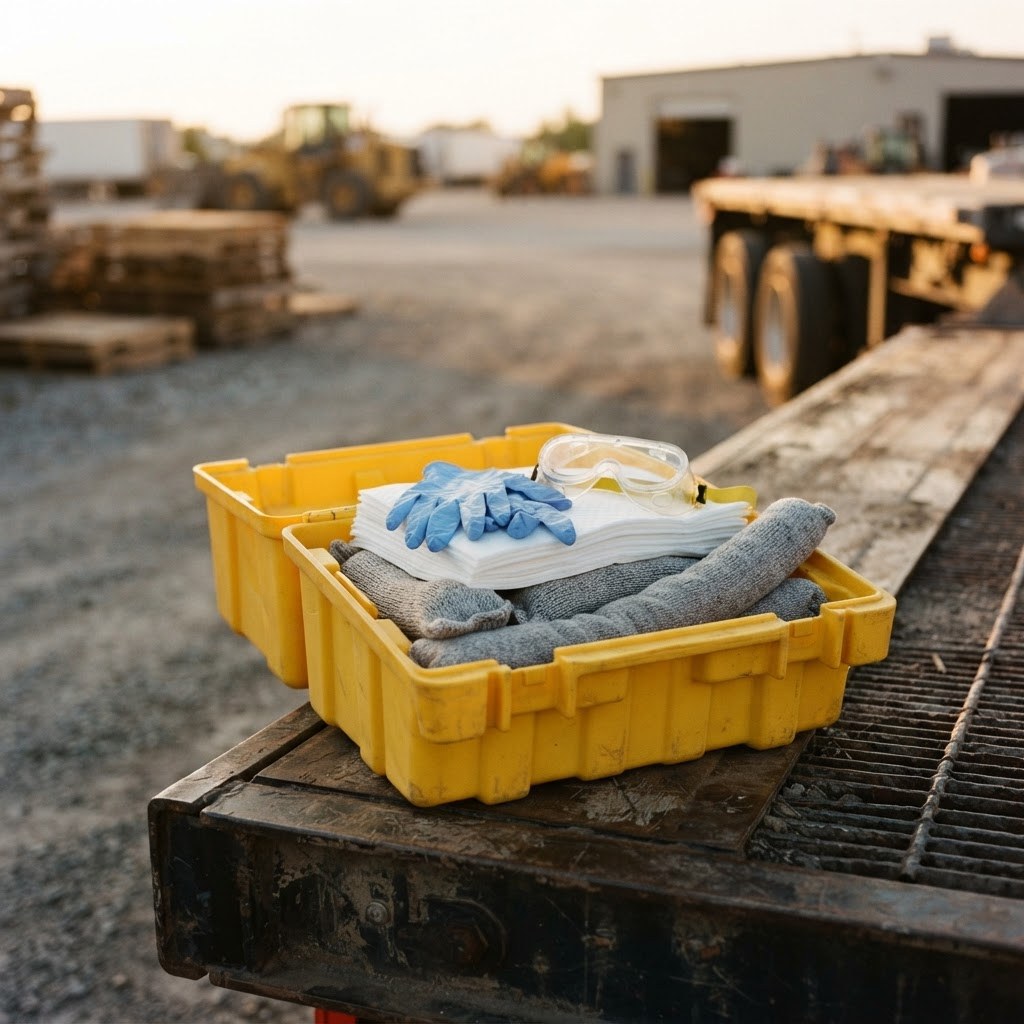
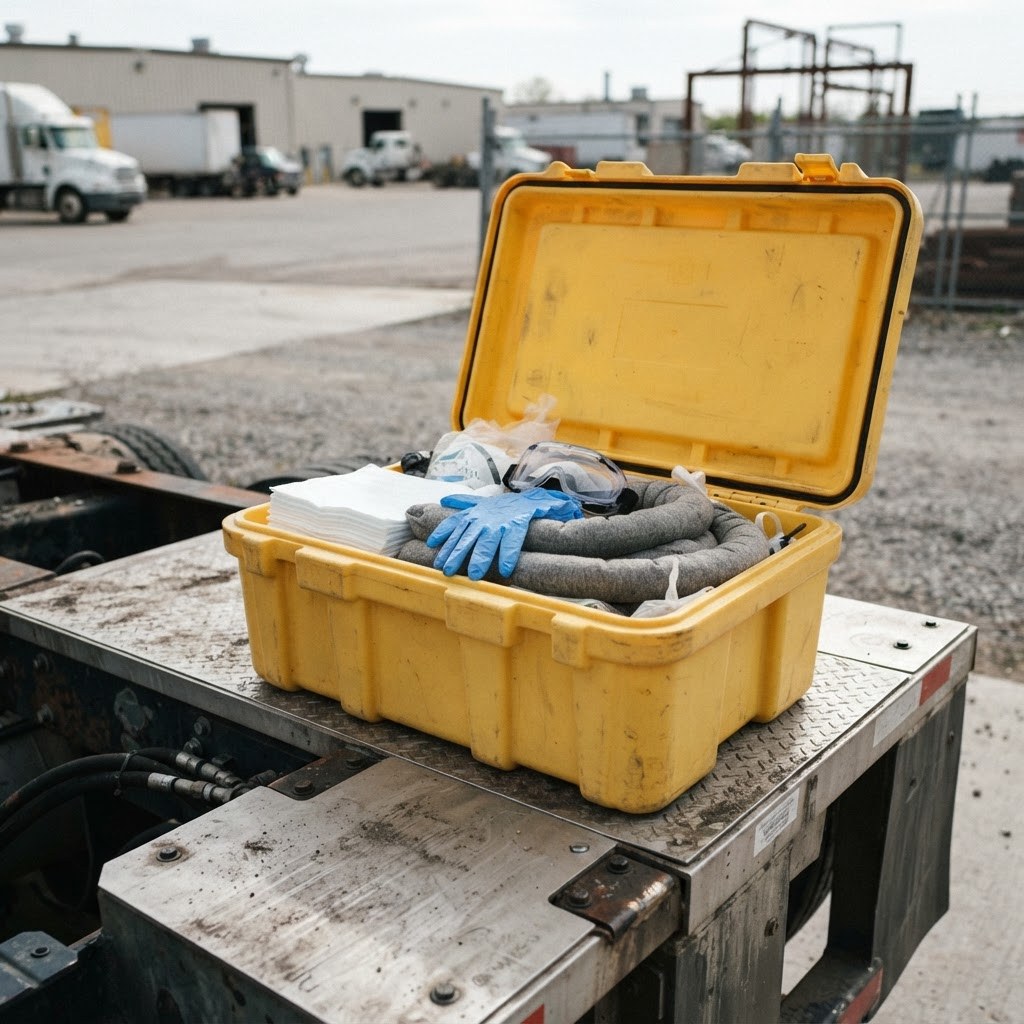
A dangerous goods spill on a NSW road is a Chain of Responsibility event. Here is what spill kit the ADG Code requires, how to deploy it, and what your obligations are at the scene.Read More
The ADG Code mandates specific PPE for every dangerous goods driver in NSW. Here is the complete list of what you must carry based on your load class — and why it matters.Read More